
The Best THC Strains for Sleep: Science-Backed Indica Guide (2026)
Nine indica-dominant strains, three terpene combinations, and the research-grounded protocol for using THCa flower to fix broken sleep — without next-morning grogginess.
If you've been chasing the perfect sleep strain through Reddit threads and dispensary apps, you've probably seen the same five or six names recycled: Granddaddy Purple, Northern Lights, Bubba Kush, Purple Punch, MK Ultra. These names show up for good reason — they're consistently indica-leaning with the right terpene profile — but the actual mechanism of why they work for sleep is rarely explained.
This guide does that. We're going to walk through the actual science of cannabis and sleep, identify the specific terpenes that correlate with sedation, and then list the nine THCa strains we'd recommend (and stock) for people who want to fall asleep faster and stay asleep longer.
The Science: Why Cannabis Affects Sleep at All
The endocannabinoid system regulates sleep-wake cycles through CB1 receptors in the brain — particularly in the hypothalamus and brainstem regions that control circadian rhythm. THC (the active form of THCa, post-heat) binds those receptors and modulates the production of adenosine and melatonin — two of the body's primary sleep signals.
A 2018 review published in the Journal of Clinical Sleep Medicine found three reliable effects of low-to-moderate THC on sleep:
Reduced sleep latency (faster onset of sleep)
Increased duration of stage 3-4 (deep / slow-wave) sleep
Reduced number of nighttime awakenings
There's also a flip side: higher doses can suppress REM sleep. For most users this isn't a problem night-to-night, but chronic heavy use is associated with reduced dream recall and possible mood effects from REM suppression. The sweet spot is small-to-moderate doses on the nights you actually need help.
Most cannabis sleep research converges on the same finding: less is more. Two or three inhales of an indica-leaning flower 60 minutes before bed outperforms a heavy session every time.
Terpenes: The Real Sleep Predictor
Indica vs sativa is a coarse signal. Modern cannabis genetics have been crossed so heavily that pure indica or pure sativa essentially doesn't exist in the commercial market anymore. The better signal is terpene content on the COA.
Three terpenes are well-correlated with sedation in clinical literature:
Myrcene — The Heavy Hitter
Myrcene is the most abundant terpene in most cannabis cultivars. It's also abundant in hops, mangoes, and lemongrass. It has a musky, earthy, slightly clove-like aroma. In studies it shows sedative properties, muscle relaxation effects, and synergy with THC's effects on sleep.
What to look for on the COA: Myrcene > 0.5% of total terpenes. Above 1% is excellent for sleep.
Linalool — The Calming One
Linalool is the same terpene that gives lavender its smell and its calming reputation. It's found in some indica cultivars at moderate levels (0.1-0.3%). It pairs with myrcene to produce a particularly relaxing experience — both physically and mentally.
Beta-Caryophyllene — The Stress Antidote
Beta-caryophyllene (the peppery, spicy terpene also found in black pepper and cloves) binds directly to CB2 receptors. It has anti-anxiety and anti-inflammatory effects that compound with the sleep benefits of myrcene. Look for strains that combine high myrcene with detectable caryophyllene.
Terpenes to Skip for Sleep
Limonene (citrus) — uplifting, energizing. Wrong direction for nighttime.
Pinene (pine) — improves alertness. Avoid before bed.
Terpinolene (piney/floral) — common in racy sativas. Pass for sleep.
The Top 9 THCa Strains for Sleep (2026 Picks)
These are the indica-leaning genetics that consistently test for the right terpene profile and produce reliable sedation. We've grouped them by intensity — heavy, moderate, and beginner-friendly.
Heavy-Hitters (Experienced Users)
1. Granddaddy Purple (GDP)
The textbook sleep strain. Heavy myrcene, deep grape-and-berry aroma. Hits within minutes; produces strong full-body sedation. Sleep onset within 30-45 minutes is typical. This is the strain we recommend if 'I can't fall asleep' has become a chronic problem.
2. Bubba Kush
Earthy, sweet, almost coffee-like. Bubba is famous for the 'couch-lock' effect — body-heavy sedation that makes movement feel like work. Excellent for people who fall asleep okay but wake up at 3 AM with racing thoughts.
3. MK Ultra
Pungent, slightly skunky. Tests very high in myrcene. Effects are fast — within 10 minutes you'll feel a noticeable head heaviness. Powerful enough that we suggest one inhale and a 20-minute wait before considering a second.
Moderate (Regular Users)
4. Northern Lights
One of the most-stocked indica strains in cannabis history. Earthy and sweet, with classic myrcene + caryophyllene terpene profile. Less aggressively sedating than GDP, more 'gentle drift into sleep.' Reliable, predictable, and a great choice for people who want a sleep aid without a heavy next-day feeling.
5. Purple Punch
Sweet, grape-forward, almost candy-like aroma. Caryophyllene-heavy alongside the myrcene. Produces deep physical relaxation with a mild mood lift — useful if anxiety contributes to your insomnia.
6. Skywalker OG
Pine and herbal notes. The pinene is moderate (so the alertness boost is mild), but the indica genetics dominate. Good 'wind-down' strain rather than 'immediately knocked out' — useful for ending the day rather than aggressively forcing sleep.
Beginner-Friendly (Low Tolerance)
7. Wedding Cake
Sweet, vanilla, tangy. Indica-dominant hybrid. Effects are mellower than the heavy-hitters above. Best entry-level sleep strain for someone whose tolerance is still building. Two small inhales 60 minutes before bed is usually enough.
8. Do-Si-Dos
Sweet earthy aroma, indica-leaning hybrid. Body-relaxing without being completely couch-locking. Great for people who want to fall asleep faster but still be able to function if they need to get up for water or to check on the kids.
9. Forbidden Fruit
Tropical, cherry-citrus aroma despite being indica-leaning. The terpene profile is unusually balanced — some myrcene, some caryophyllene, some limonene. The mild limonene means it's slightly mood-lifting without being energizing. Good for people who have both anxiety and insomnia.
How to Use THCa for Sleep: A Simple Bedtime Protocol
Six steps. Built around the science above. Works for most people:
Start 60-90 minutes before your target sleep time. Cannabis takes effect in minutes, but the deepening sedation builds for the first hour.
Take 1-3 small inhales of an indica-leaning strain. If you're new, see our dosing guide before your first session.
Don't reach for it again 20 minutes later. The temptation to top up before bedtime is exactly how people end up overdosing for sleep and feeling foggy the next day.
Lower your stimulation. Dim lights, put down the phone, put on quiet music or an audiobook. Cannabis enhances whatever environmental state you're already in — boost the calm signals.
Drink water. Cannabis is mildly dehydrating. A glass of water before bed helps prevent the 'cottonmouth wake-up' at 3 AM.
Sleep. Most users report falling asleep within 30 minutes of the protocol above.
When to Use Edibles vs Flower for Sleep
Smoked/vaped flower: fast onset (minutes), shorter duration (2-4 hours). Best for 'fall-asleep' insomnia — the problem of getting to sleep in the first place.
Edibles: slow onset (60-90 minutes), much longer duration (4-8 hours). Best for 'stay-asleep' insomnia — waking at 2-3 AM with racing thoughts. The longer half-life of orally-consumed THC carries through the night.
If you have both problems, some users combine: a low-dose 5mg edible at 9 PM, plus 2 inhales of indica flower at 10:30 PM. We don't recommend this protocol for beginners.
Tolerance and the Tolerance Break
The same THCa flower that knocks you out for the first three weeks may stop working by week four. This is normal — CB1 receptors downregulate with daily use. The fix is not a higher dose. The fix is a tolerance break.
Most users find that one week off every 4-6 weeks fully resets cannabis sensitivity. Two weeks is even better. Some people cycle 5 nights on / 2 nights off; some cycle weekly; some go a full week monthly. Whatever rhythm works — just have one.
What to Buy First
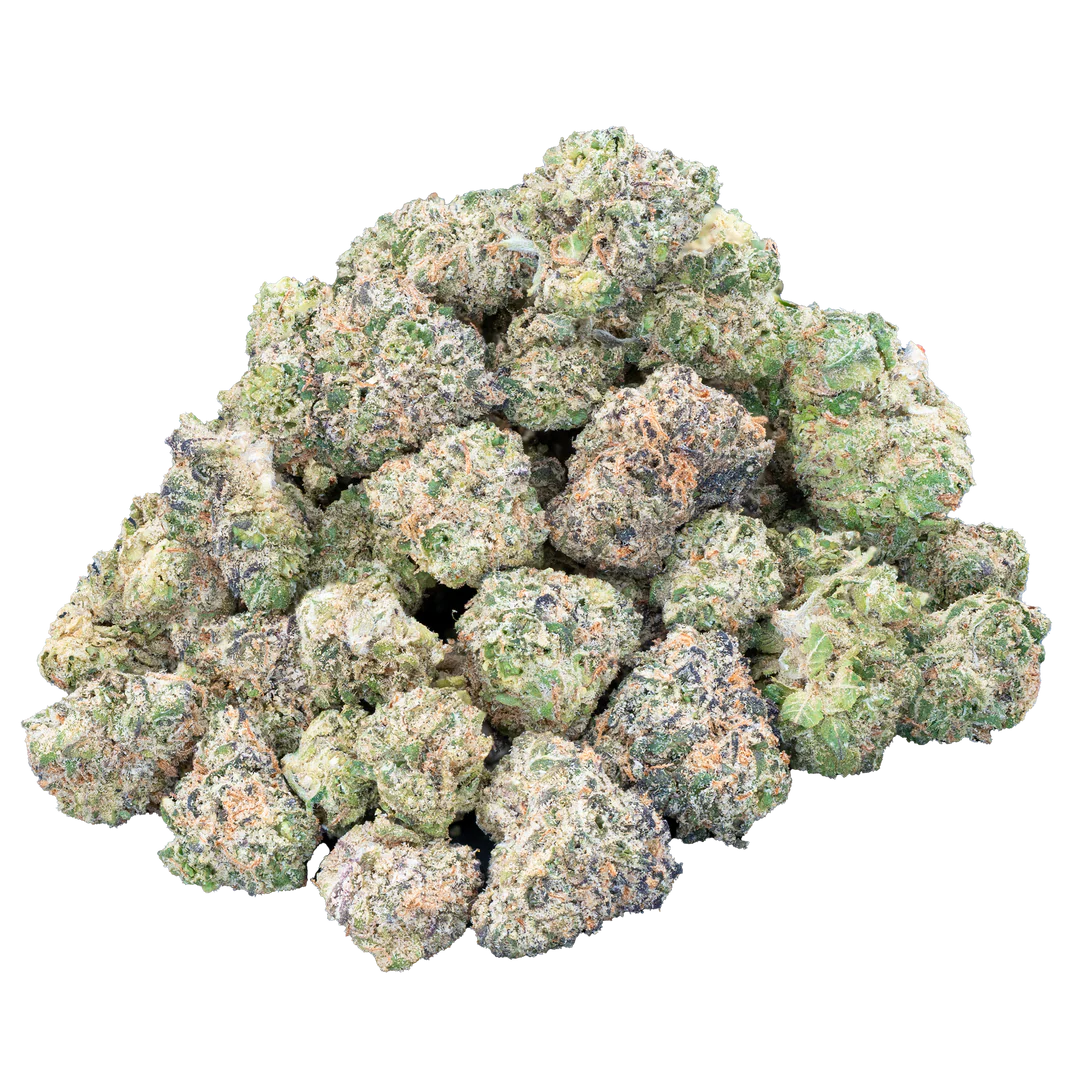
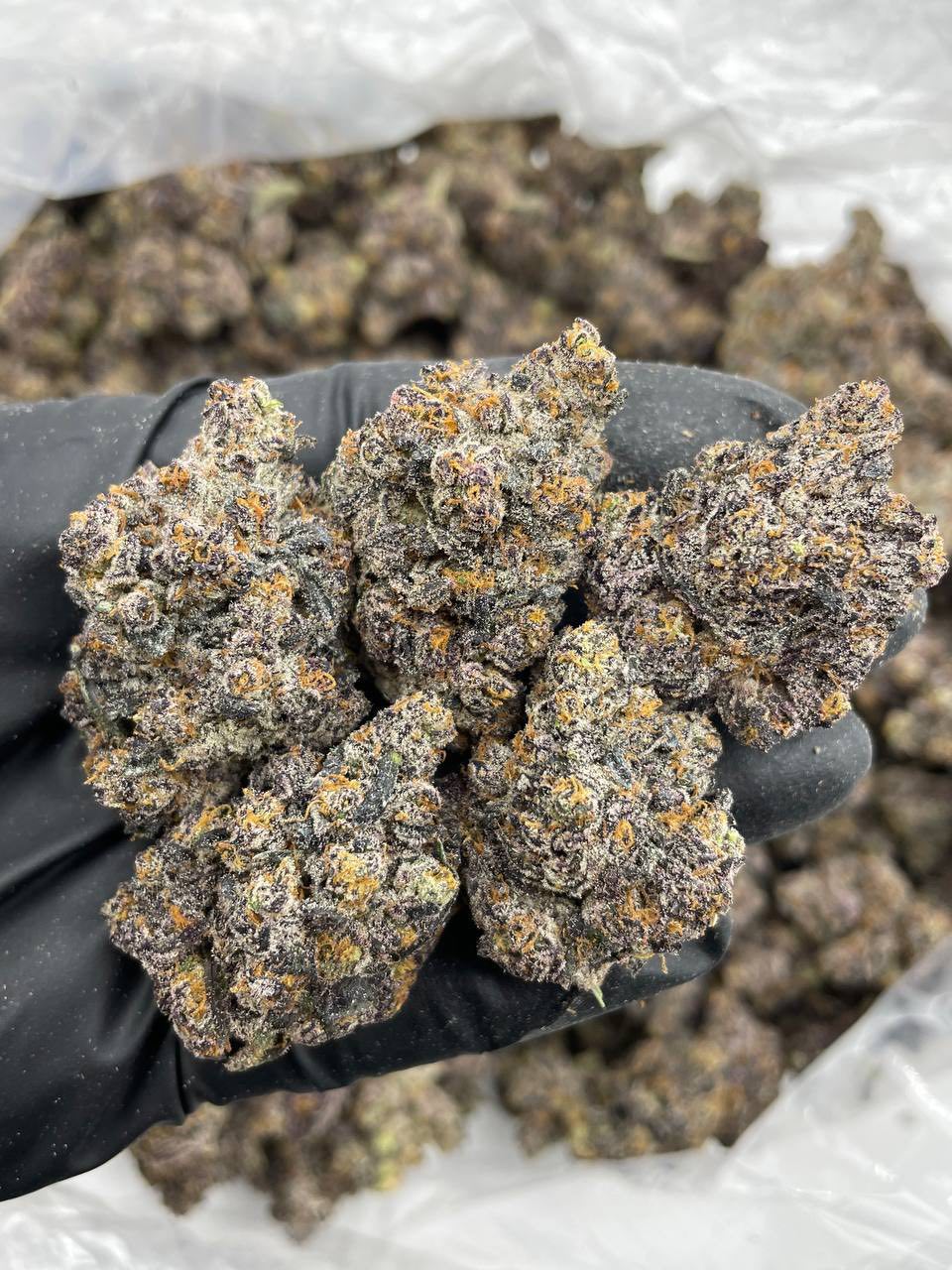
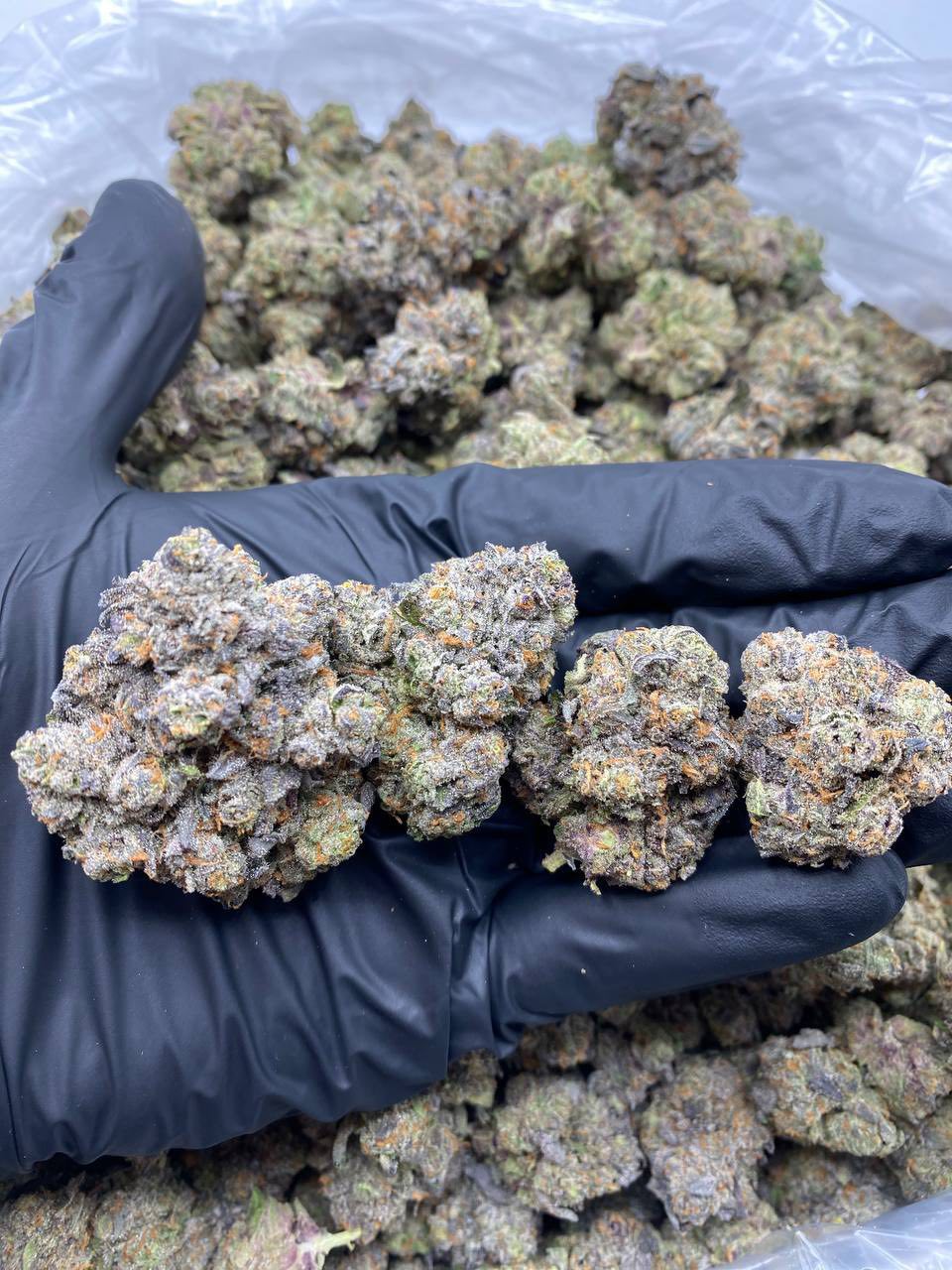
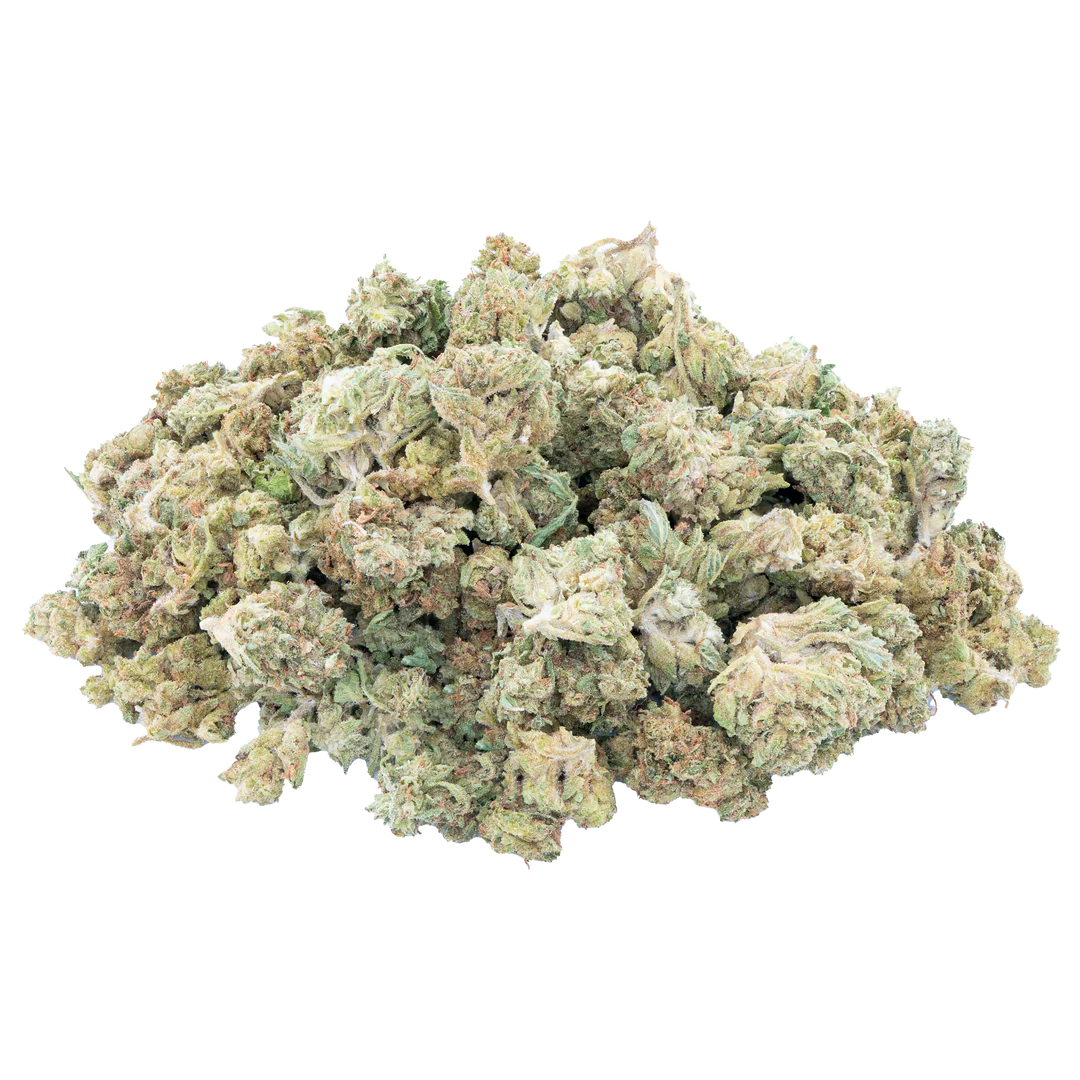
If you're new to THCa for sleep and want one product to start with, pick a Top Shelf indica or indica-dominant hybrid — the genetics and terpene profile matter most when sleep is your goal:
Browse our Top Shelf Fresh Drops collection — filter or sort by indica strains. Every batch tested for terpenes and Delta-9 compliance.
Lower-budget alternative: $70 Smalls — same lab-tested quality, smaller buds, same indica genetics available.
For long-haul stay-asleep insomnia: pair with a low-dose edible or tincture from our catalog.
Every product page includes the COA — check the terpene profile and look for myrcene > 0.5% and caryophyllene > 0.2% for the best sleep predictor.
Disclaimer: This article is educational and not medical advice. Cannabis affects sleep individually. If you have chronic insomnia, sleep apnea, or another diagnosed sleep disorder, consult a sleep specialist. Pregnant or nursing individuals should not use THCa. Products are for adults 21+.
Keep reading & shop
THC for Anxiety: What the Research Actually Says and Which Strains Help
Sativa vs Indica vs Hybrid: What the Labels Actually Mean (And Why They Lie Half the Time)
Shop: Shop THCa disposables
What the writer recommends
6 hand-picked products
Further reading
Resources & References
Quick answers
Frequently asked
Once decarboxylated (when you smoke or vape it), THCa becomes Delta-9 THC. A 2018 review in the Journal of Clinical Sleep Medicine and multiple subsequent studies show THC reduces sleep latency (the time it takes to fall asleep) and increases deep sleep at low-to-moderate doses. The effect is most reliable for occasional users; daily heavy use can disrupt REM sleep.
Myrcene is the most consistently sedating cannabis terpene. It's also abundantly found in hops, lemongrass, and mango. Linalool (also found in lavender) is a strong second. Strains testing high in myrcene (>0.5% of total terpenes) generally produce the most sedating effects.
Indica, broadly speaking — but the indica/sativa labels are increasingly imprecise as breeders cross genetics. What matters more is the terpene profile. An indica-dominant hybrid with high myrcene will outperform a 'pure indica' with citrus-leaning terpenes.
Less than you think. 1-3 small inhales of an indica-leaning flower about 30-60 minutes before bed is the typical sweet spot. Higher doses can cause vivid dreams, REM disruption, and morning grogginess. If you're new to THCa, see our complete dosing guide.
If you dose moderately (3 inhales or less) 60-90 minutes before bed, most users report no morning grogginess. Overdoing it — especially with edibles late at night — is the most common cause of next-day fogginess.
Keep reading
More from the editorial
Articles in Health Care & Medical and across the WHAM Read.
 Health Care & Medical3 min
THCa vs CBD vs CBN: Which Cannabinoid for What?
THCa vs CBD vs CBN explained: THCa becomes THC when heated for a full high, CBD is non-intoxicating calm, and CBN is a mild cannabinoid popularly used for sleep (though research is still early). Compare effects, legality, and which to choose.
 Health Care & Medical4 min
THC Gummies Before Bed: What People Actually Reach For
THC gummies are one of the most common reasons people buy edibles, but the details decide whether it helps or backfires. Take it too late and you get morning fog; take too much and sleep gets shallower, not deeper. Here's the timing, the dose, and an honest read on the evidence.
 Health Care & Medical3 min
Is THC Flower Safe? Side Effects, Risks & What to Know
Is THCa flower safe? For healthy adults, lab-tested hemp THCa is about as safe as any cannabis — the effects are identical once it's heated. The real risks are overdoing the dose, buying from sellers who don't test, and using before you drive. Here's what to watch for and how to stay on the safe side.

Get 5% off + the best reads in your inbox
Join 50,000+ subscribers. One short editorial email a week — unsubscribe any time.
No spam · unsubscribe in one click