
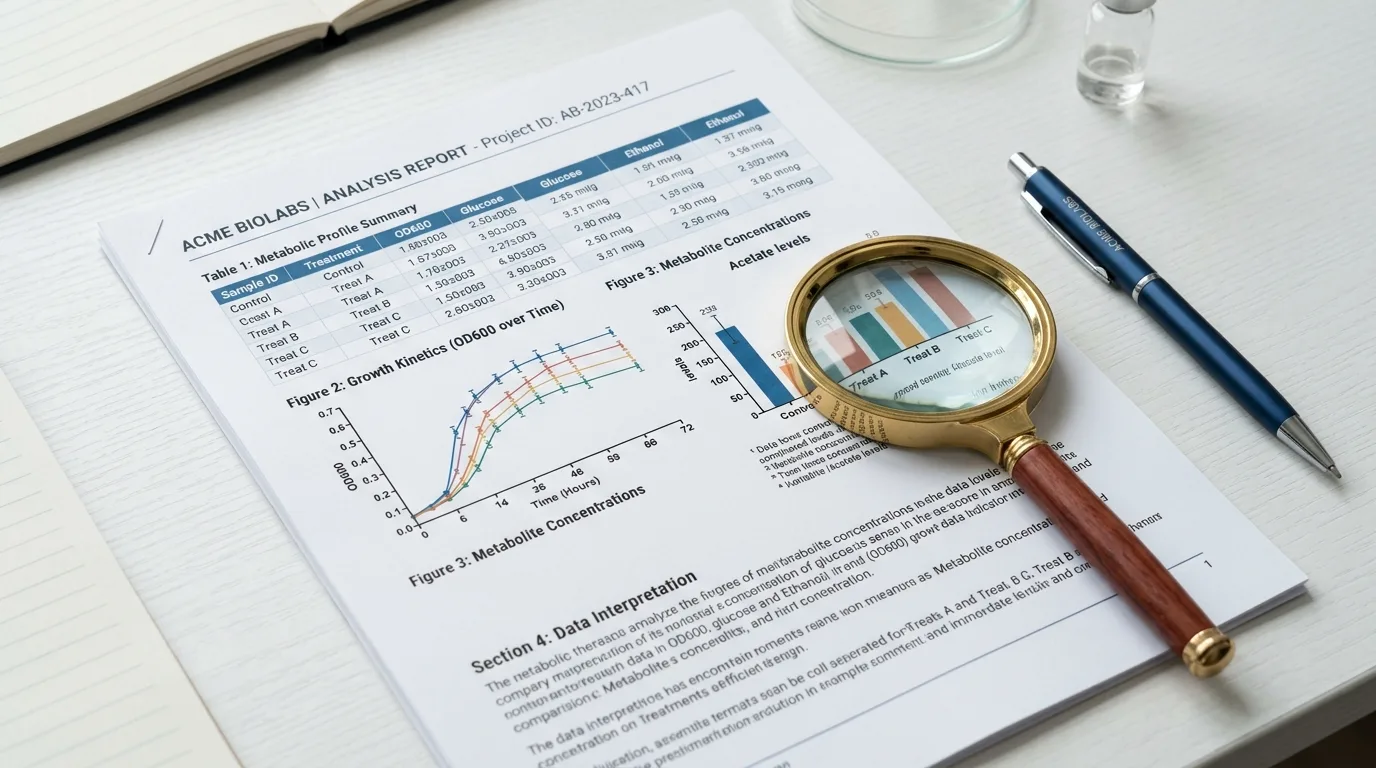
How to Read a THC Lab Report (COA): The 7 Numbers That Prove Your Flower Is Real
A Certificate of Analysis is the receipt that says your flower is legal, potent, and clean. Here's exactly how to read one — and the red flags that mean you should walk away.
Here's an uncomfortable truth about buying hemp-derived THCa flower online: anyone can print a pretty label. The only thing that separates real, lab-tested, federally legal flower from mystery bud in a fancy bag is a document most people never bother to open — the Certificate of Analysis, or COA.
A COA is the lab receipt for your flower. It proves three things: how strong it is, whether it's legal, and whether it's clean. Learn to read one and you'll never get burned. This guide breaks down the 7 numbers that actually matter — in plain English.
If a seller can't hand you a recent COA tied to the exact batch you're buying, you're not buying lab-tested flower. You're guessing.
First: what a COA actually is
A COA is issued by an independent, accredited testing lab — not the brand selling the flower. The gold standard is ISO/IEC 17025 accreditation, which means the lab's methods are externally audited. Every COA should name the lab, carry a report date, and reference a batch or lot ID that matches your product.
Before you read a single potency number, confirm three things at the top of the page:
The lab is real. You can find it online, and it's separate from the brand.
The date is recent. Cannabinoids and freshness drift over time — a 2-year-old COA tells you little about today's batch.
The batch ID matches. The code on the COA should match the code on the product or its packaging.
The 7 numbers that matter
1. THCa percentage
This is the headline number — the raw THCa content by dry weight. Premium indoor exotic flower typically lands somewhere in the 20–32% THCa range. THCa is non-intoxicating until you heat it, which is the whole reason it's sold as legal hemp.
2. Delta-9 THC (the legality line)
This is the number that decides whether your flower is federally legal. Under the 2018 Farm Bill, hemp must contain 0.3% or less Delta-9 THC by dry weight. THCa can be high; Delta-9 must be at or below 0.3%. If this line reads higher, the product isn't compliant hemp — full stop.
3. Total THC
Total THC predicts how strong the flower feels once you smoke or vape it, because heat converts THCa into active Delta-9 THC. Labs compute it with a simple formula:
Total THC = (THCa × 0.877) + Delta-9 THC
The 0.877 accounts for the mass lost during that conversion. When you want an honest sense of real-world potency, this is the number to trust — not the raw THCa figure alone.
4. Moisture content / water activity
Often overlooked, this one tells you about freshness and shelf life. Water activity in the 0.55–0.65 aw range is the sweet spot: dry enough to resist mold, moist enough to smoke smooth. Too high invites mold; too low means harsh, crumbly bud.
5. Pesticides
A proper COA includes a contaminant panel, and pesticides are first on the list. You want to see “PASS” or “ND” (not detected) across the board. Flower you inhale should never carry detectable pesticide residue.
6. Heavy metals
Cannabis is a hyperaccumulator — it pulls metals like lead, arsenic, cadmium, and mercury out of the soil and concentrates them. A clean COA shows these well under safe limits. This is exactly why outdoor flower from unknown sources is a gamble.
7. Microbials & mycotoxins
The last safety screen covers mold, yeast, E. coli, salmonella, and the toxins mold produces. Everything here should read PASS. Smoking moldy flower is a genuine health risk, not a cosmetic one.
Red flags that mean walk away
If you see any of these, ask questions before you spend a dollar:
No batch ID, or one that doesn't match the product
A missing or suspiciously old report date
A lab name you can't find or verify anywhere online
Only a potency number — no pesticide, metals, or microbial panel
A PDF that looks edited, blurry, or screenshotted
The seller gets cagey or annoyed when you simply ask for the COA
Reputable brands make COAs easy to find. At WHAM, lab-tested, federally compliant exotic flower is the baseline, not an upsell — and the numbers above are exactly what a clean batch should show.
A 60-second COA check
Confirm the lab, date, and batch ID at the top.
Check Delta-9 THC is 0.3% or less (legal).
Read Total THC for real potency.
Scan the contaminant panel — pesticides, heavy metals, microbials should all PASS.
Glance at water activity for freshness.
If anything is missing or doesn't match, pause and ask.
That's it. Sixty seconds of reading is the difference between buying verified flower and rolling the dice. Once you know the seven numbers, every COA becomes a quick, confident yes or no.
Educational content only — not legal or medical advice. Hemp laws vary by state and change often; confirm the rules where you live before purchasing. Adults 21+.
Keep reading & shop
Shop: Shop THCa flower
What the writer recommends
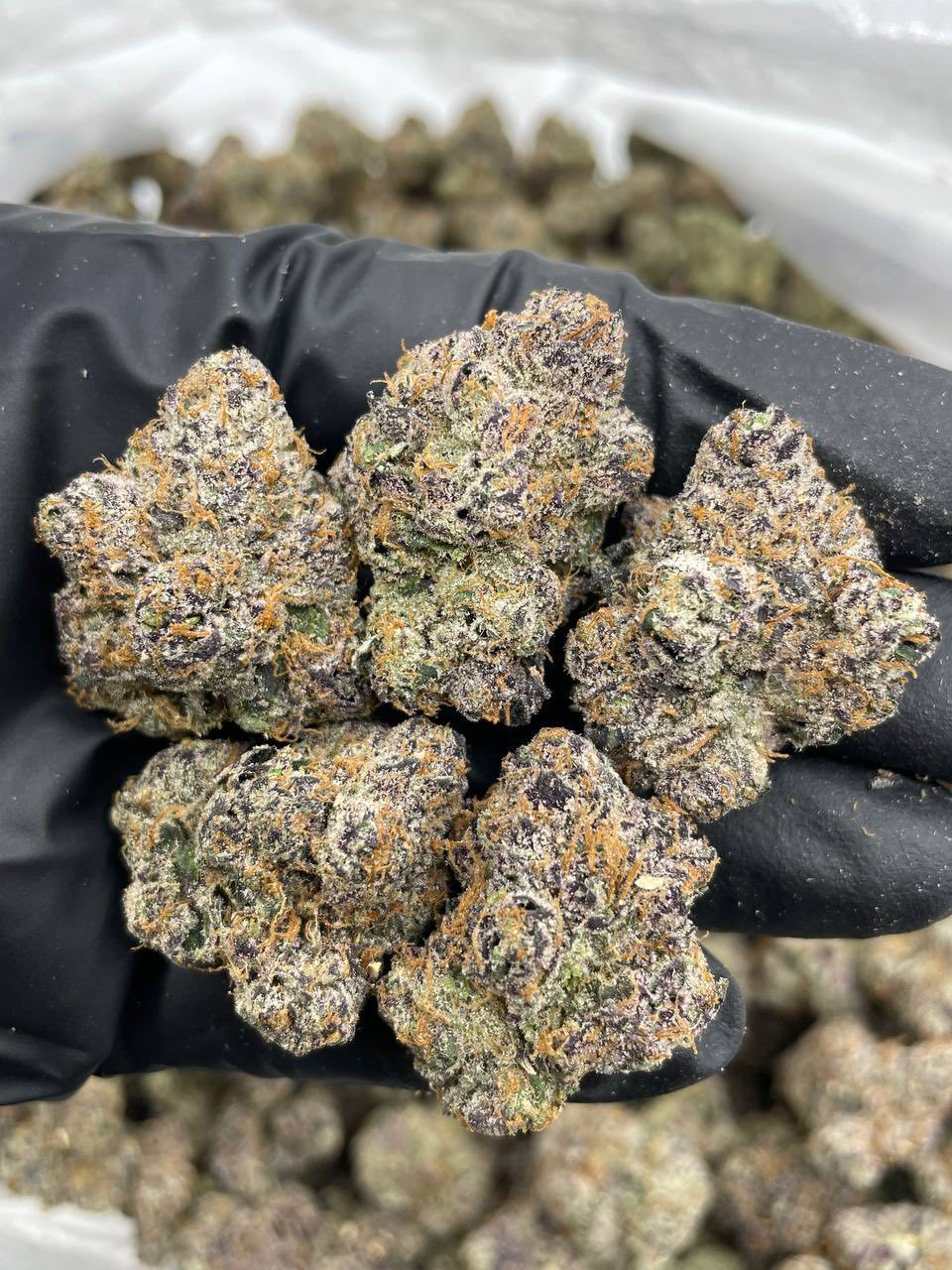
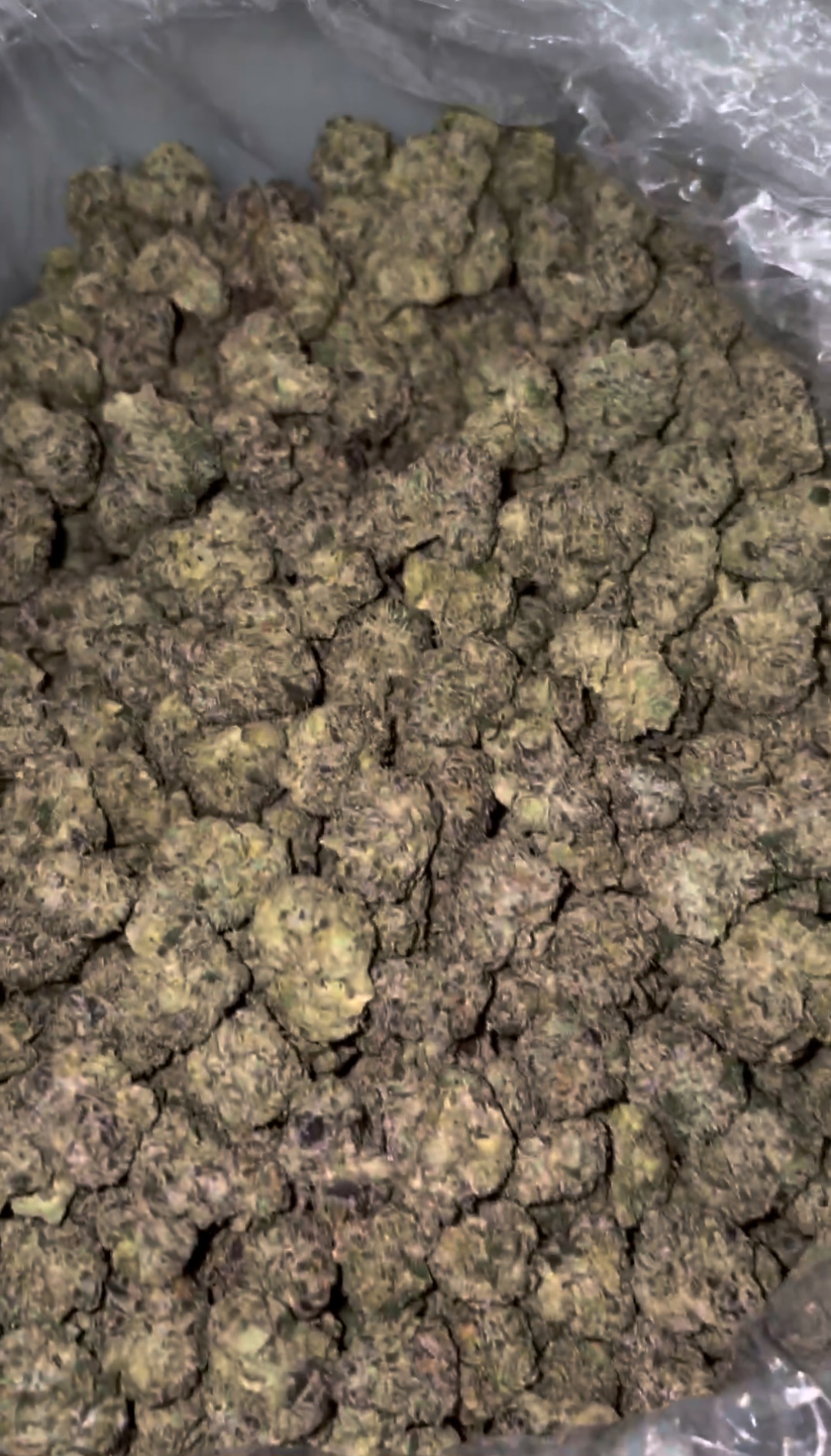
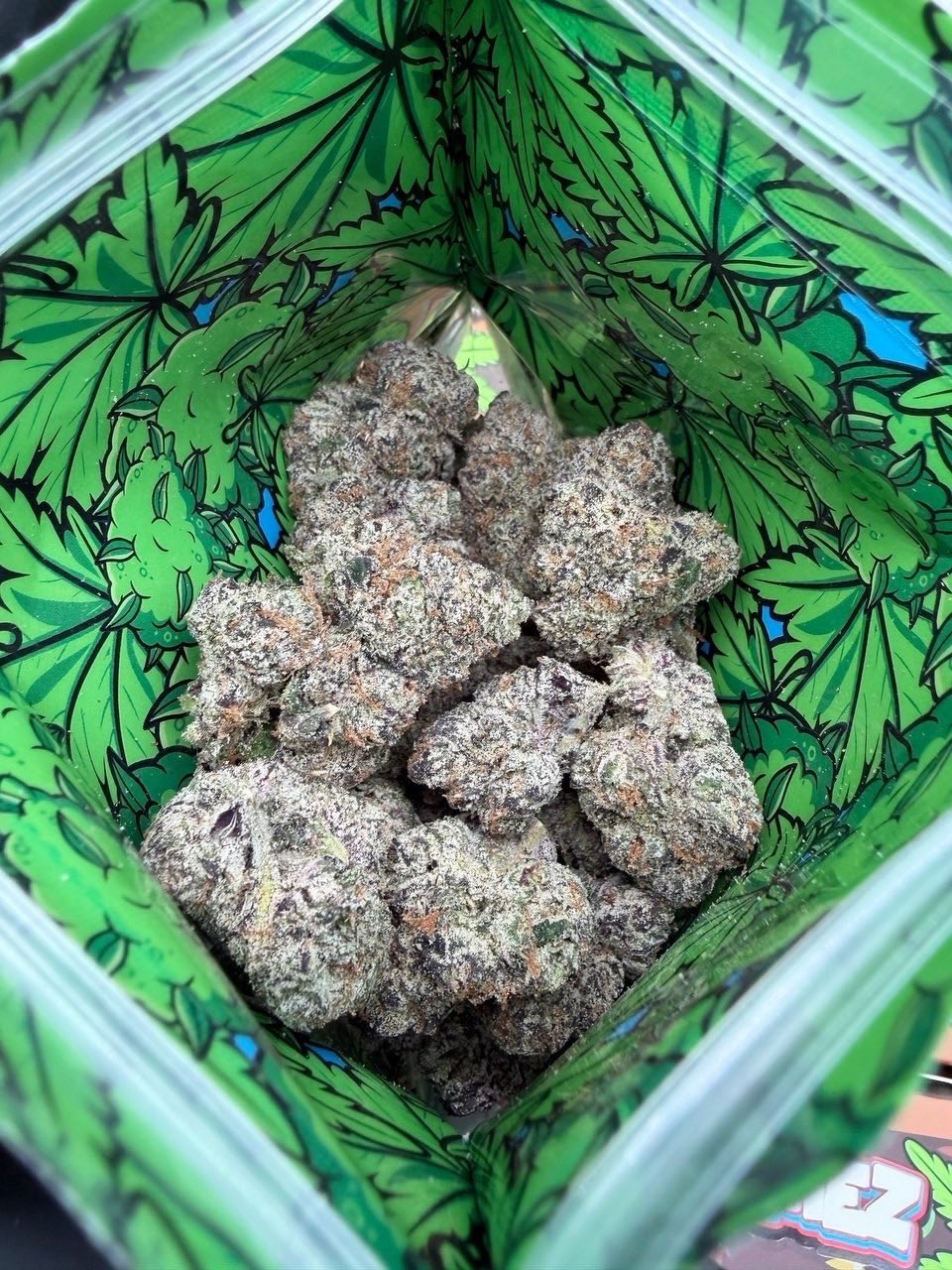
5 hand-picked products
Further reading
Resources & References
Quick answers
Frequently asked
A Certificate of Analysis (COA) is a lab report from an independent, accredited testing lab. It confirms how much THCa and Delta-9 THC a product contains, and screens for contaminants like pesticides, heavy metals, and mold. If a seller can't produce a recent COA tied to the exact batch, treat the product as unverified.
Look at the Delta-9 THC line on the COA. Under the 2018 Farm Bill, hemp-derived flower must contain 0.3% or less Delta-9 THC by dry weight. THCa itself can be high — it's the Delta-9 number that determines federal hemp legality. Always check the date and batch ID match the product you're buying.
Total THC estimates how potent the flower becomes once heated, because heat converts THCa into active Delta-9 THC. Labs calculate it as (THCa × 0.877) + Delta-9 THC. It's the single best number for judging real-world strength.
No batch ID, an old or missing date, a lab name you can't verify, only a potency number with no contaminant panel, or a PDF that looks edited. Any one of these is reason to ask questions before you buy.
Keep reading
More from the editorial
Articles in How To and across the WHAM Read.
 How To4 min
Bulk THC Disposables & Gummies: The Wholesale Guide
Disposables and gummies are the units side of wholesale: priced per piece against a case minimum rather than by weight. They don't degrade like flower, they reorder predictably, and they suit buyers without the footfall to turn a pound. Here's how the model works.
 How To5 min
Wholesale THC for Smoke Shops: What to Stock
Stocking hemp-derived THC in a smoke shop comes down to three decisions: which categories turn over fastest, what margin each carries, and what paperwork keeps you compliant. This guide covers the mix that works, the shelf-life risk on flower, and the documents to keep on file.
 How To4 min
How to Buy THC Wholesale: A Buyer's Walkthrough
Buying THC wholesale means volume tiers instead of unit prices, minimum order quantities, and paperwork retail buyers never see. This walkthrough covers how tiers work, what MOQs to expect on flower versus units, which lab documents to demand, and how to place a first order without overcommitting.

Get 5% off + the best reads in your inbox
Join 50,000+ subscribers. One short editorial email a week — unsubscribe any time.
No spam · unsubscribe in one click