
What Are Terpenes? The Beginner's Guide to Cannabis Flavor and Effects
Terpenes are why one strain smells like cherry candy and another like diesel — and they may shape how each one makes you feel. Here's the no-jargon guide.
Two jars of flower can both read 28% THC and feel like completely different plants. One leaves you giggly and social; the other glues you to the couch. The potency number didn't lie — it just didn't tell the whole story. The missing piece is terpenes.
If you've ever wondered why one strain smells like cherry candy and another like diesel and pine, this is your guide. No chemistry degree required.
So what are terpenes, really?
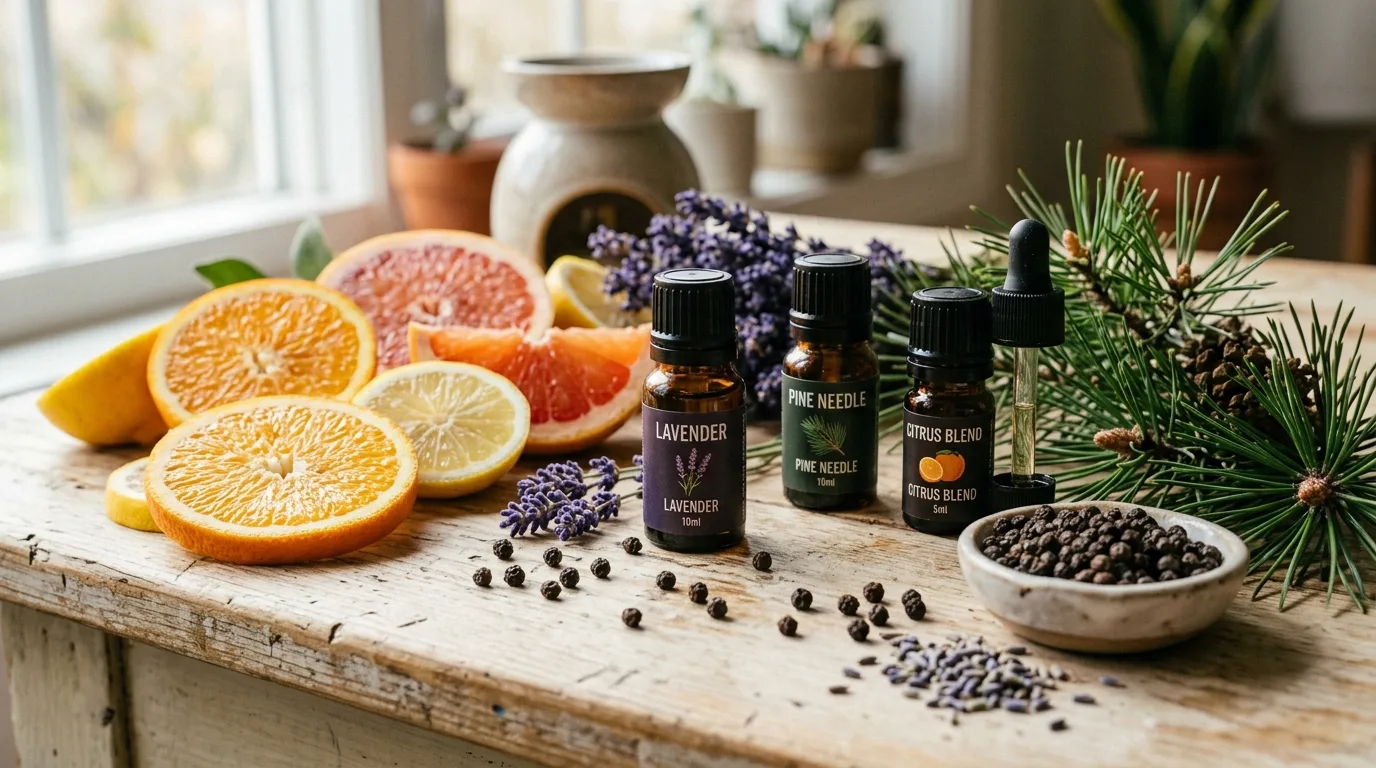
Terpenes are the aromatic oils plants make to protect themselves and attract pollinators. They're everywhere in nature: the citrus zing of a lemon, the fresh punch of pine, the calm of lavender. Cannabis just happens to be unusually rich in them — a single strain can carry dozens.
On their own, terpenes won't get you high — that's THC's job. But they define a strain's smell and flavor, and many people (and a growing body of research) believe they shape the character of the experience too.
Think of THC as the engine and terpenes as the steering. Potency tells you how strong; terpenes tell you where it's going.
The 6 terpenes worth knowing
Myrcene — earthy, mango, herbal
The most common cannabis terpene. Myrcene is musky and earthy with a hint of ripe mango, and it's associated with relaxed, heavy, body-forward vibes — the classic 'couch-lock' feeling. Common in many indica-leaning exotics.
Limonene — citrus, bright, zesty
Exactly what it sounds like: lemon and orange peel. Limonene reads uplifting and mood-boosting, and tends to show up in brighter, more energetic strains.
Caryophyllene — peppery, spicy, gassy
The black-pepper terpene, also found in cloves and cinnamon. Caryophyllene is unique because it interacts with the body's cannabinoid receptors directly. It leans warm and grounding, and it's behind a lot of that 'gassy' exotic punch.
Pinene — pine, fresh, sharp
Forest-fresh and sharp, like a walk through pines. Pinene is linked to alertness and clear-headedness — the terpene that can keep a high feeling crisp rather than foggy.
Linalool — floral, lavender, soft
The lavender terpene, soft and floral. Linalool is associated with calm and relaxation, and tends to round out the edges of more intense strains.
Terpinolene — fruity, sweet, complex
The wildcard — fruity, floral, and a little herbal all at once. Terpinolene drives a lot of the sweet, candy-like noses on modern exotics. If a strain smells like a dessert, terpinolene is often in the mix.
The entourage effect: why the whole plant matters
Here's the big idea. The entourage effect is the theory that cannabinoids and terpenes work as a team — the combined experience is richer and more nuanced than THC alone could deliver. It's why a terpene-rich 26% flower can outshine a 'stronger' 30% flower that smells like nothing.
The science is still developing, but the practical takeaway is simple: don't chase the potency number alone. A loud, complex aroma is often the better signal of quality and a satisfying smoke.
How to use your nose to buy better flower
You don't need a lab to read terpenes — you were born with the tool. Use this quick map:
Sweet & fruity (terpinolene, limonene) → usually fun, social, uplifting. Think candy and dessert strains.
Gassy & pungent (caryophyllene, myrcene) → usually heavy, relaxing, full-bodied.
Citrus & bright (limonene, pinene) → usually energetic and clear-headed.
Floral & soft (linalool) → usually calming and mellow.
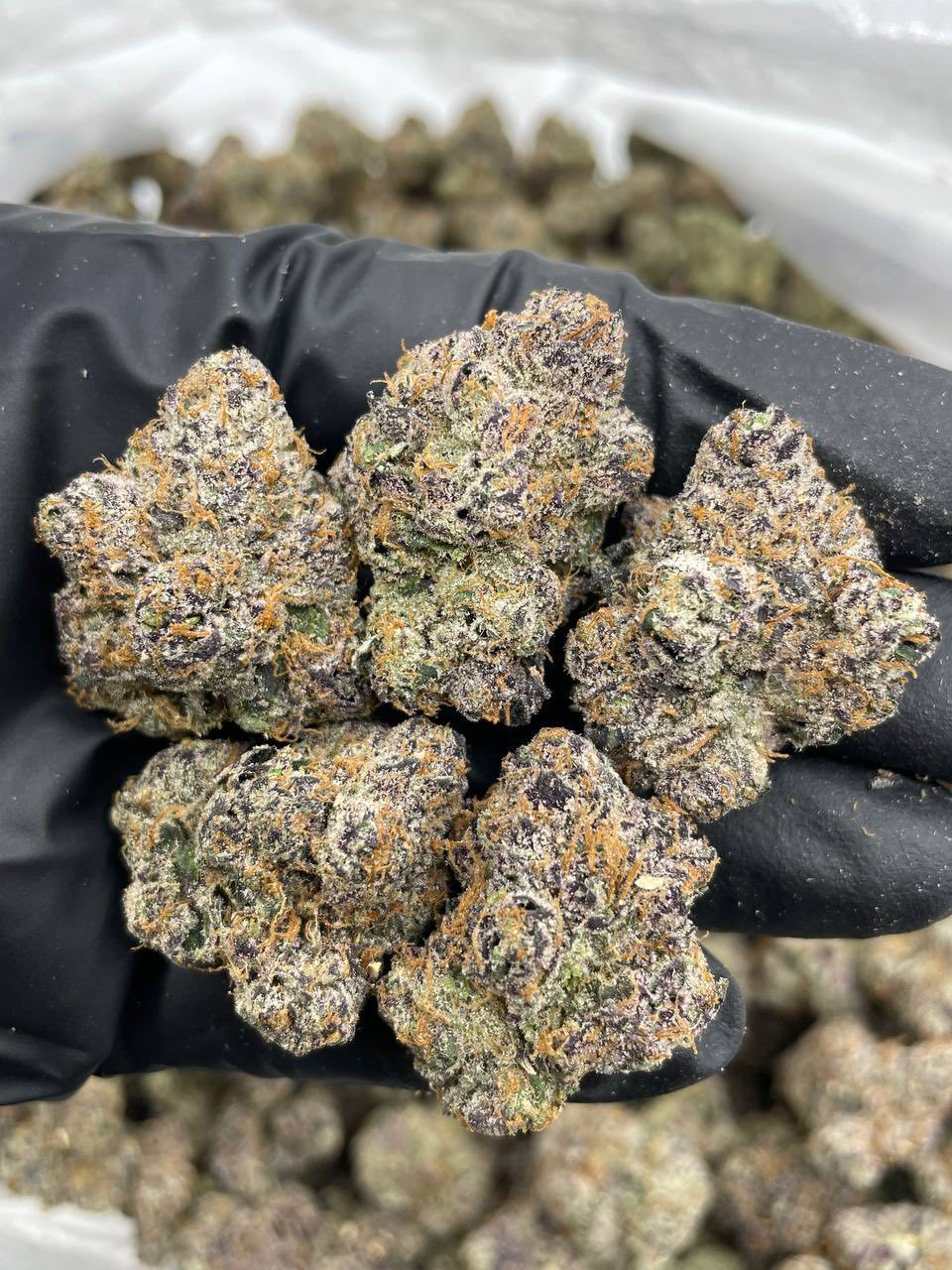
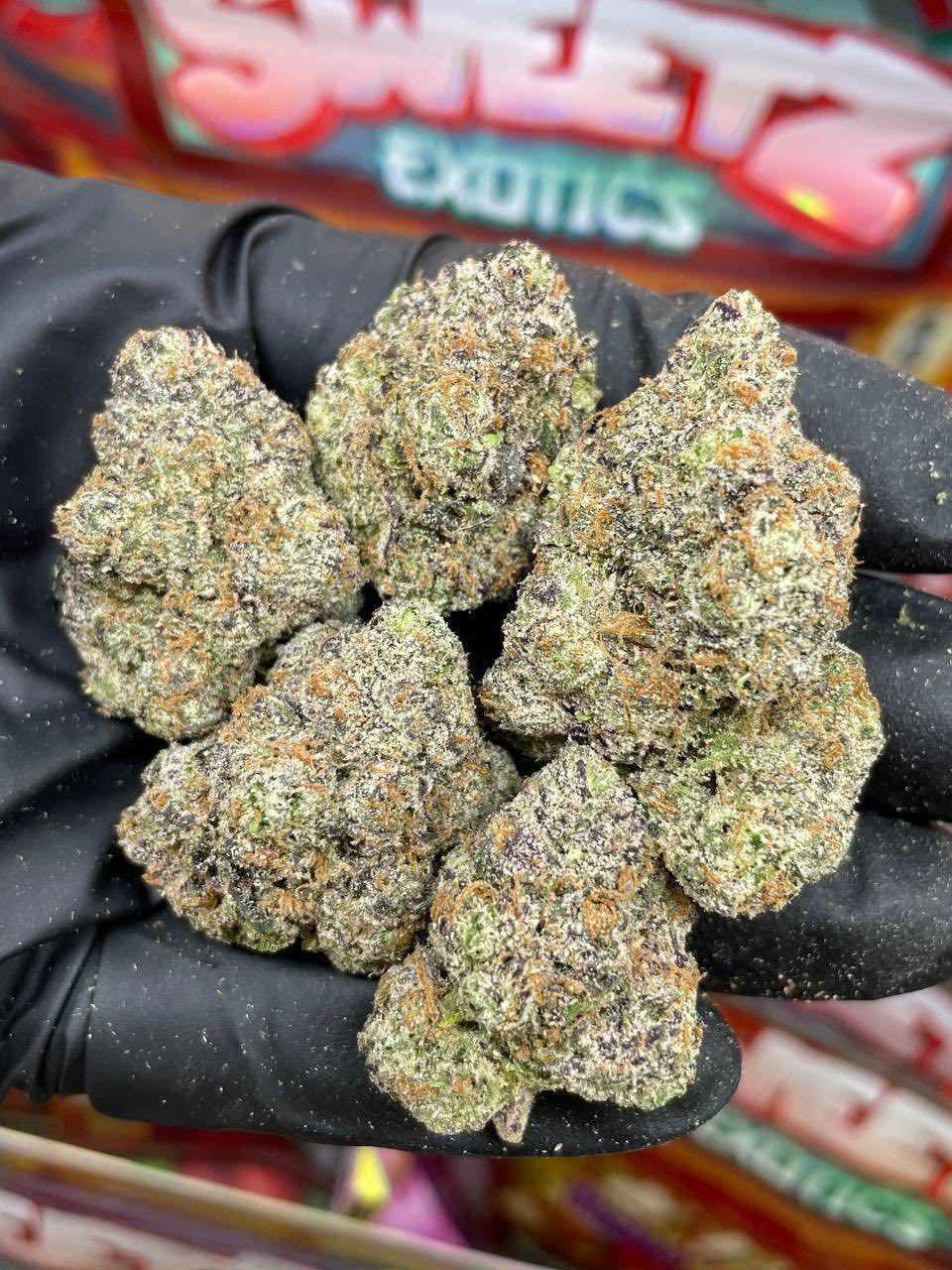
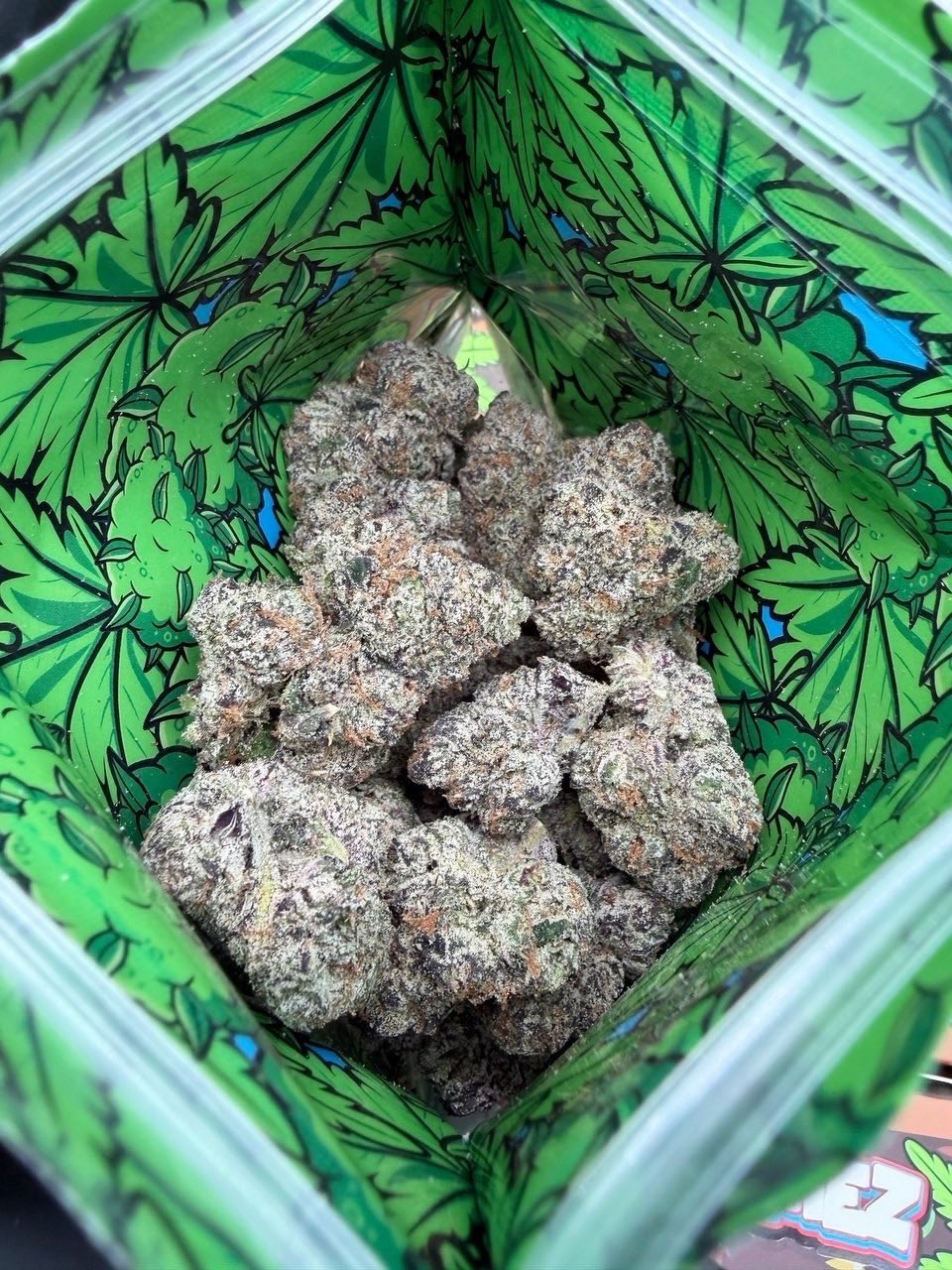
Then trust the intensity. Loud, layered aroma = fresh, well-grown, terpene-rich flower. Faint or hay-like smell = old or poorly cured bud, no matter what the THC number says. The candy-loud noses on exotics like Cherry Bombay and Berriez Bubble Gum are terpenes doing exactly what they should.
Quick recap
Terpenes = the aromatic oils behind smell and flavor.
They don't get you high, but they shape how the high feels.
Six to know: myrcene, limonene, caryophyllene, pinene, linalool, terpinolene.
The entourage effect means whole-plant aroma can beat raw potency.
Smell first — loud and complex usually means better flower.
Next time you reach for a jar, lead with your nose. Once you can read aroma, you're not just buying weed by the numbers — you're choosing the exact experience you want.
Educational content only — not medical advice. Effects vary by person, product, and dose. Adults 21+.
Fresh for 2026 — terpenes still explain more about your high than the sativa/indica label — chase the profile (limonene, myrcene, caryophyllene) on the lab report, not the strain name.
Keep reading & shop
Shop: Shop THCa disposables
What the writer recommends
4 hand-picked products
Further reading
Resources & References
Quick answers
Frequently asked
Terpenes are the natural aromatic oils that give cannabis — and most plants, fruits, and herbs — their smell and taste. The citrus in a lemon, the pine in a forest, and the cherry-candy nose of an exotic strain are all terpenes. In cannabis they shape both flavor and, many believe, the character of the effect.
No. Terpenes aren't intoxicating on their own. THC is what produces the high. But terpenes may influence how that high feels — more relaxed, more uplifting, more clear-headed — through what's called the entourage effect.
It's the theory that cannabinoids (like THCa/THC) and terpenes work together, so the whole plant produces effects that none of the parts would alone. Research is still emerging, but it's why many smokers find full, terpene-rich flower more satisfying than potency numbers alone would predict.
Trust your nose. A loud, complex aroma usually signals fresh, well-grown, terpene-rich flower. Sweet and fruity often leans relaxed and fun; gassy and pungent often leans heavy; citrus and pine often lean bright and energetic. Smell first, then match it to the mood you want.
Keep reading
More from the editorial
Articles in Education and across the WHAM Read.
 Education2 min
How Long Does a THC High Last? (2026 Timeline)
A smoked or vaped THC high usually peaks within 10 minutes and lasts about 1–3 hours; THC edibles run 4–8 hours. This guide breaks down how long a THC high lasts by method, what changes the duration, and how to come down faster if you need to.
 Education4 min
What Are WHAM Packs? Lil Baby Weed Packs, Sizes and Prices
A WHAM pack is a quarter pound to a full pound of Lil Baby's weed, mixed with some disposables and shipped in a double-sealed, nitrogen-sealed, smell-proof packet. Here are the sizes, how the pricing works, and how to order one.
Education4 minWhat Strain Is Lil Baby's Weed? The WHAM Strains Explained
Lil Baby's weed isn't a single strain — WHAM is his brand, with around 90 flower options on the menu. Most are hybrids, with indica picks like Alien ET and sativa picks like Sour Diesel. Here are the best sellers and how to pick one.

Get 5% off + the best reads in your inbox
Join 50,000+ subscribers. One short editorial email a week — unsubscribe any time.
No spam · unsubscribe in one click