
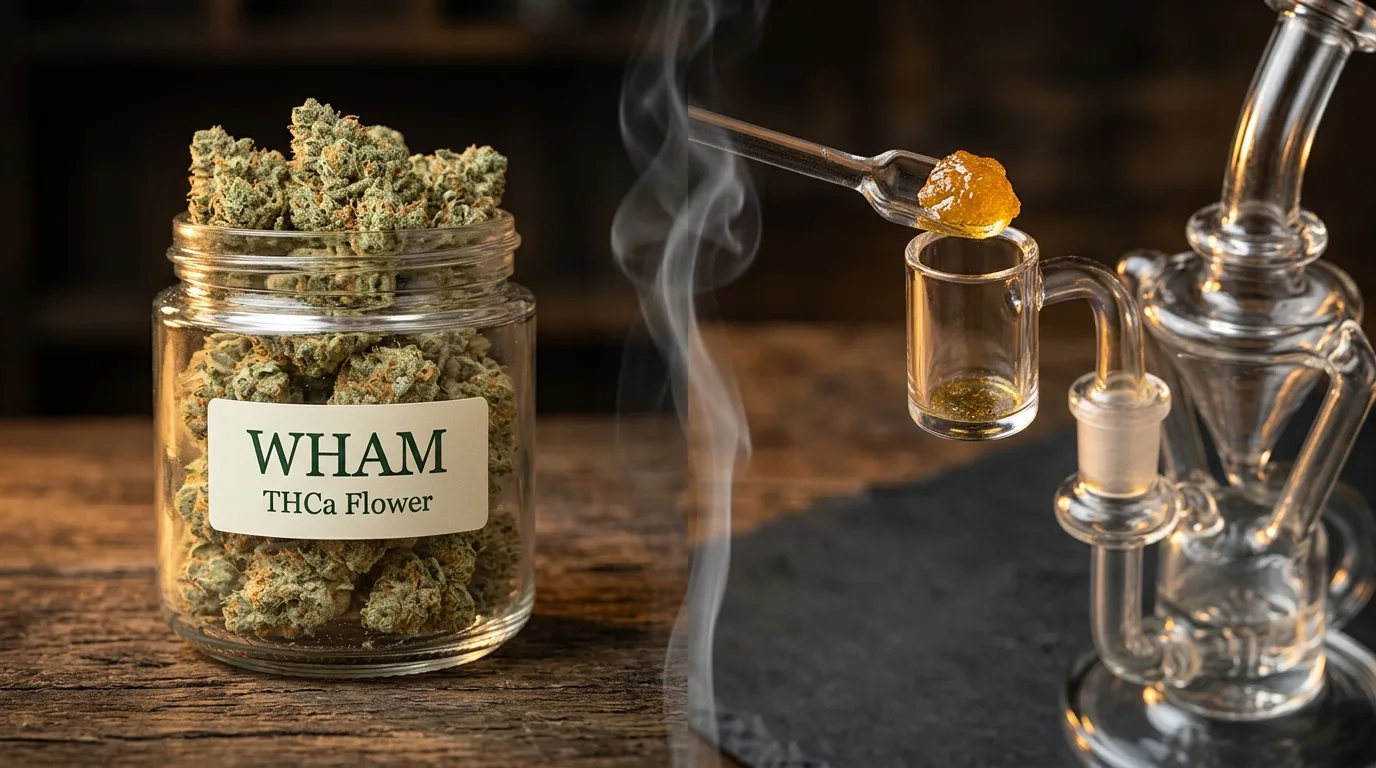
Flower vs Concentrate: How to Pick the Right Form Factor for Your Use Case
Same plant, very different intensity. Flower tops out around 25% cannabinoids. Concentrates can push 90%. Here's how to choose between them based on experience, budget, and the experience you want.
If you've been smoking cannabis flower and you see concentrates on the menu for the first time, the prices and the potency numbers can be confusing. A gram of live resin for $60? A gram of flower for $15? They're both gram-sized. What's the deal?
The answer is that you're paying for cannabinoid density. A gram of concentrate contains about 4-5× the active cannabis content of a gram of flower. On a per-active-milligram basis, concentrates are often cheaper than flower. But they're a different ritual, different intensity, and a different learning curve.
This guide walks through both formats — what they are, what they cost, who should buy each — so you can make a confident choice.
What Each Format Actually Is
Cannabis Flower
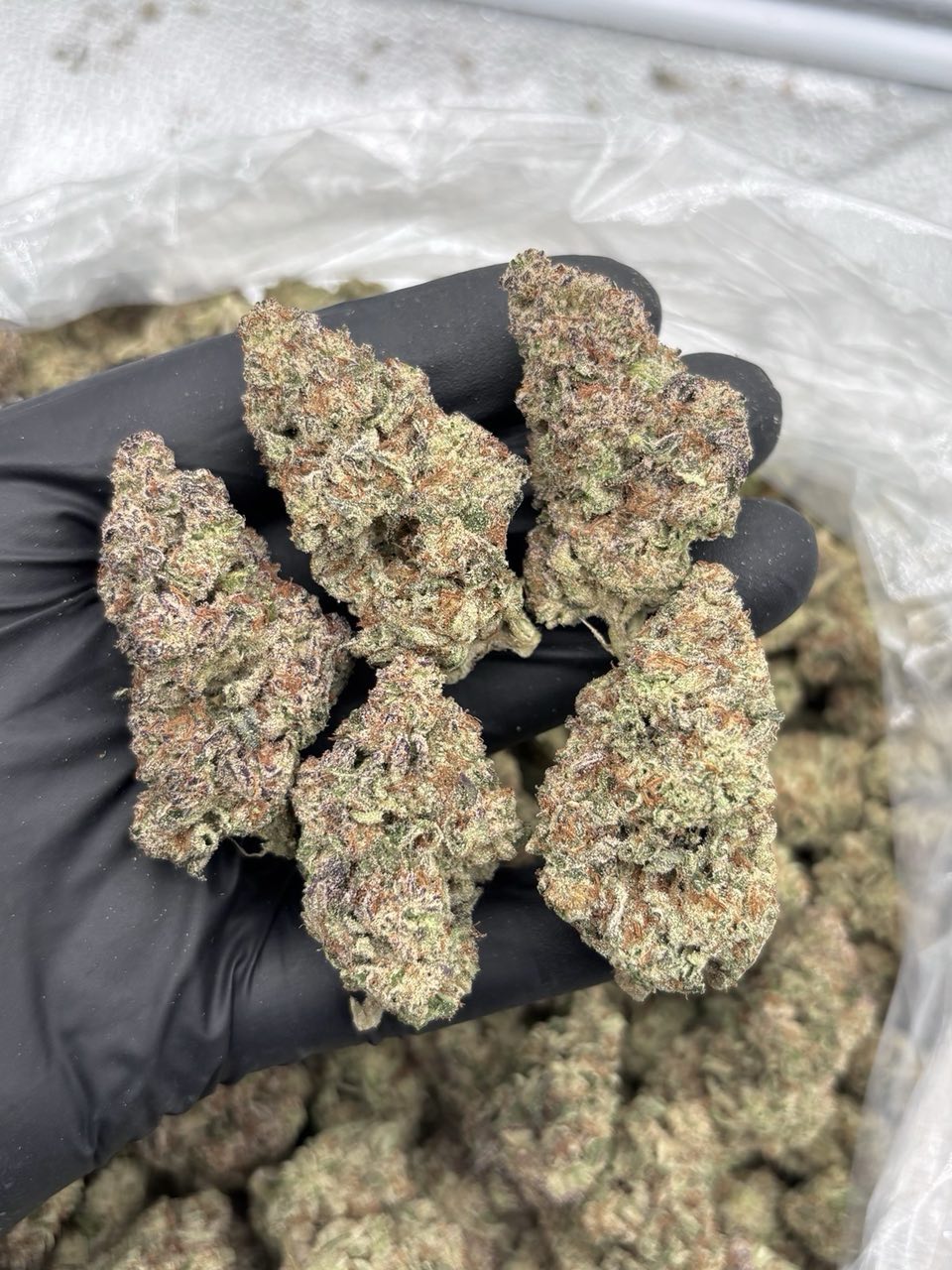
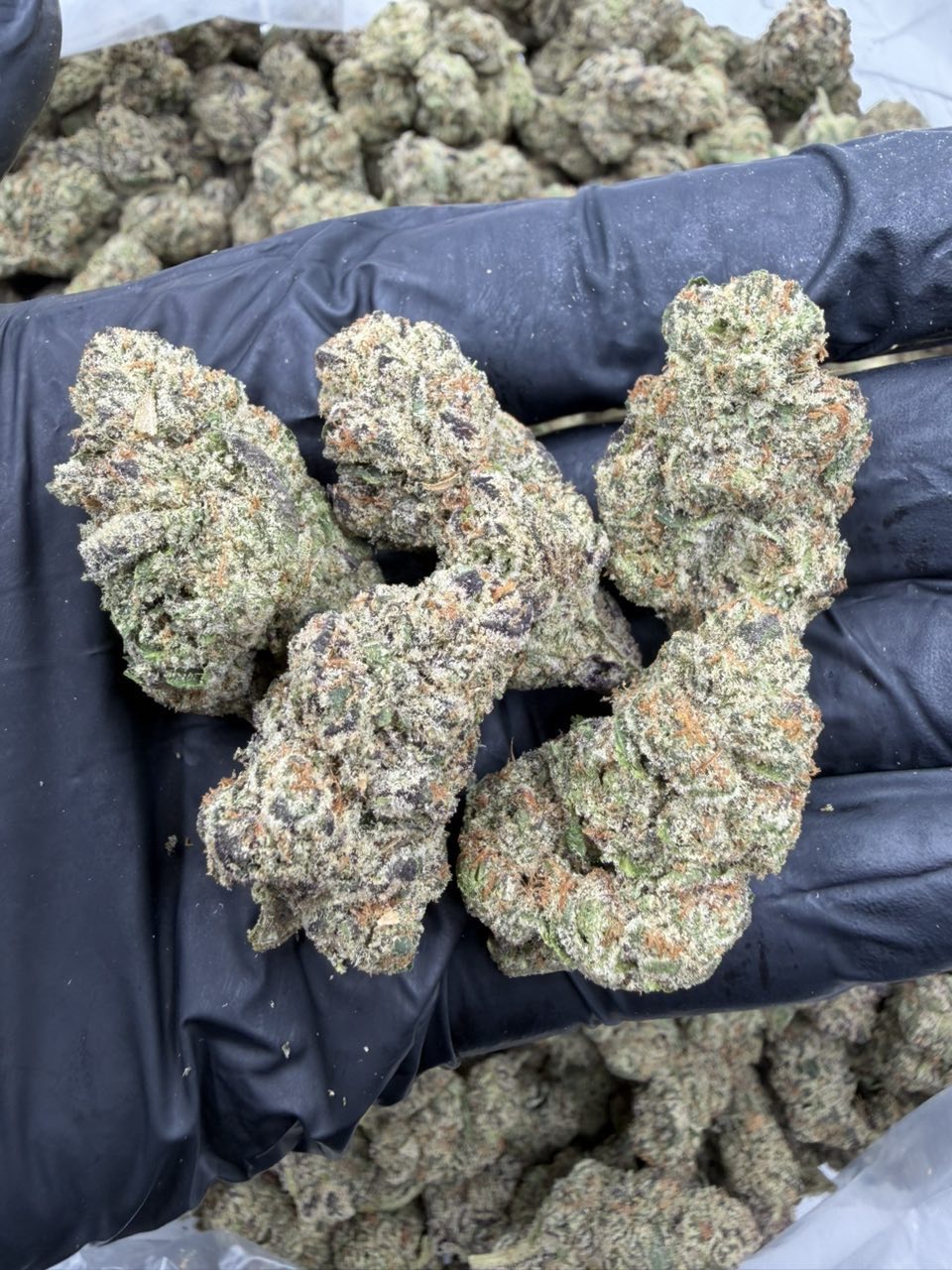
Dried, cured cannabis buds. The plant in its most natural consumed form. Modern THCa flower tests at 15-30% cannabinoid content (THCa, which converts to Delta-9 THC when heated). The rest is plant material — fiber, water, terpenes, chlorophyll.
Common consumption methods:
Smoked in a joint, blunt, pipe, or bong
Vaped in a dry-herb vaporizer
Decarbed and infused into edibles or tinctures (DIY)
Cannabis Concentrate
Cannabis extracts — products where cannabinoids and terpenes have been separated from the plant material using solvents (butane, ethanol, CO2) or solventless methods (heat, pressure, ice water). The result is a product with 60-90%+ cannabinoid content in various textures.
Common concentrate types:
Live resin: extracted from fresh-frozen plants to preserve terpene profile. Aromatic, often costlier.
Rosin: pressed with heat and pressure, no solvents. Premium solventless option.
Shatter: glass-like, brittle. Easy to dose by breaking off small pieces.
Wax / Crumble: softer textures, easy to handle with a dab tool.
Distillate: highly refined, very high potency (90%+), often used in vape cartridges. Lighter on terpenes.
Hash: traditional non-solvent method. Pressed plant resin. Mellower than modern concentrates.
The trade-off is intensity for ritual. Flower is the conversational smoke — slow, social, mid-range. Concentrates are the cocktail — concentrated, intense, brief.
Side-by-Side: The Differences That Matter
Potency Per Dose
A typical inhale of flower delivers 5-10 mg of effective THC. A typical dab of concentrate delivers 30-50 mg. That's a 4-5× difference per inhalation.
Practical implication: a single small dab can produce an experience that would take 5-10 inhales of flower. Both consume the same amount of time (15-30 seconds), but concentrates pack more into each draw.
Price Per Active Milligram
Concentrates are usually cheaper per active milligram of THC.
Flower ($40 per 3.5g eighth, 20% THCa): ~700mg active per eighth = ~$0.057 per mg
Concentrate ($60 per 1g, 80% cannabinoid): 800mg active per gram = ~$0.075 per mg
Flower actually wins on per-mg cost in many price comparisons because top-shelf concentrates are premium-priced. The math changes for budget concentrates — distillate is often the cheapest per-mg option of all.
Equipment Investment
Flower: Rolling papers ($5/pack), a grinder ($15), a lighter. Total entry: ~$25. Optional upgrade to a pipe or dry-herb vaporizer ($30-$300).
Concentrates: Dab rig + nail/banger + butane torch (or e-nail) = $100-$400 total. Or a portable concentrate vape ($50-$150). Higher entry cost.
Concentrates have a higher upfront equipment cost. Once you own the rig, ongoing costs are lower per dose than flower — but the first session has more friction.
Learning Curve
Flower is intuitive. Roll a joint, light it, inhale, exhale. Even with a pipe or bong, the operation is familiar.
Concentrates require learning. Heating the nail to the right temperature (450-550°F for flavor, 700-800°F for big clouds — the wrong temperature ruins the experience), using a dab tool to handle the concentrate without losing it, knowing how to clean the rig. Most people figure it out in 2-3 sessions, but the first one is awkward.
Dose Control
Flower lets you take one inhale at a time — extremely fine-grained dose control. Take an inhale, wait, take another.
Concentrates require pre-portioning. Once you've put the dab on the nail, you're committed — you can't unsmoke a too-large dab. Beginners over-do concentrate doses regularly because they don't yet have the intuition for how small a 'small dab' should be.
Ritual and Social Use
Flower has the social pass — one joint between three friends is a long, conversational ritual. Concentrates are typically a more individual experience — each person torches and dabs their own.
If 'sitting around with friends smoking and talking' is your goal, flower is the format. If 'efficient strong dose before doing something specific' is your goal, concentrates win.
Discretion
Smoked flower has a strong, lingering smell that's recognizably cannabis. Concentrates produce less smell because there's no plant material burning — only oil vaporizing. Vaped flower is in between.
If you live somewhere where smell matters (apartment with neighbors, shared spaces), concentrates have a strong discretion advantage. Or skip dabbing entirely and use disposable vapes — concentrate oil in a discreet device.
Onset and Duration
Both formats hit your bloodstream within 1-3 minutes when inhaled. The duration is roughly similar — 2-4 hours of felt effects. The intensity at the peak differs (concentrates higher), but the timeline shape is the same.
Who Should Buy What
Flower Is Right For You If:
You're new to cannabis (start with flower for the gentler learning curve)
You smoke socially and value the ritual of rolling and sharing
You like the act of grinding, rolling, lighting — the meditative side
You want the broadest strain selection (every cultivar comes as flower)
You're price-sensitive on entry costs (no rig needed)
You appreciate terpene complexity — flower preserves the full plant aroma profile
Concentrate Is Right For You If:
You're an experienced cannabis user with tolerance built up
You want shorter, more intense sessions (10 minutes vs an hour)
You smoke alone or with one other person — less ritual, more efficiency
You want strong effects in a single inhale
You consume daily and want lower per-dose costs (after rig payback)
You're sensitive to smell and want a more discreet format
Practical Buying Notes
For Flower
Start with our Top Shelf Fresh Drops for premium genetics, or $70 Smalls for the best price-per-gram. Both are lab-tested and federally compliant.
For Concentrates
Browse our extracts collection — live resin, rosin, shatter, distillate, and more. All third-party tested with COAs published on each product page. Want the convenience of concentrate-derived oil without the rig? Our disposable vapes are pre-loaded with high-quality extract.
Verify Quality
Both formats demand the same quality verification:
Third-party COAs. Should show cannabinoid potency, Delta-9 THC under 0.3%, pesticide screen, residual solvent screen (concentrates especially), heavy metals, microbials.
Terpene profile. Premium concentrates preserve the original strain's terpenes. Distillate sometimes adds terpenes back in — that's fine, but it should be disclosed.
Clear product origin. Good brands name the strain, extraction method, and harvest date.
Common Beginner Mistakes With Concentrates
Too-hot nails. Beginners often torch the nail until it glows red. That's 1000°F+ — destroys terpenes, produces harsh smoke, can produce harmful byproducts. The sweet spot is 450-550°F for flavor or up to 700°F for clouds.
Too-big dabs. A starter dab is the size of a grain of rice. Maybe smaller. Anything larger sends a beginner straight to overwhelmed territory.
Storing wax in the heat. Concentrates melt and lose terpenes in warm storage. Keep in a cool, dark place.
Mixing flower and concentrate doses without realizing the math. If you've smoked a joint and then take a 'small dab,' you've consumed 4-5× the dose you think you have.
Related Reading
How to Dose THCa for Beginners — covers dosing across formats including a section on concentrates.
Disposable Vape vs Cartridge — the discreet, pre-loaded concentrate option.
How Long Do Edibles Last — for the third major form-factor.
Disclaimer: This article is educational. WHAM products are for adults 21+ in states where hemp-derived THCa is legal. Cannabis affects individuals differently. Don't drive or operate machinery while under the effects of cannabis. Pregnant or nursing individuals should not use cannabis.
Keep reading & shop
Shop: Shop extracts & dabs
What the writer recommends
6 hand-picked products
Further reading
Resources & References
Quick answers
Frequently asked
Flower is the dried, cured cannabis bud — typically 15-25% cannabinoid content. Concentrates are extracts where cannabinoids and terpenes have been separated from plant material, producing products that range from 60-90%+ cannabinoid content. Same plant, different processing.
Yes, by a wide margin. A typical dab (small dose of concentrate) delivers 3-5× the cannabinoids of a typical inhale of flower. Concentrates require less material per session, less consumption time, and tighter dose control.
Not dangerous in a 'physical harm' sense, but they're easier to over-do. The high potency means small dosing mistakes have larger consequences. Quality also matters more — poorly extracted concentrates can contain residual solvents. Buy lab-tested products only.
Yes. Most concentrates require a dab rig (specialized water pipe with a heated 'banger' or 'nail'), an electronic e-nail device, or a vaporizer designed for concentrates. Pre-rolls and disposable vapes that contain concentrate-derived oil don't need special equipment.
Common types include shatter (glass-like), wax (soft and crumbly), live resin (preserved terpenes), rosin (solventless), distillate (high-potency, clear), and hash (traditional non-solvent method). Each has different potency, flavor, and price points.
Keep reading
More from the editorial
Articles in Education and across the WHAM Read.
 Education2 min
How Long Does a THC High Last? (2026 Timeline)
A smoked or vaped THC high usually peaks within 10 minutes and lasts about 1–3 hours; THC edibles run 4–8 hours. This guide breaks down how long a THC high lasts by method, what changes the duration, and how to come down faster if you need to.
 Education4 min
What Are WHAM Packs? Lil Baby Weed Packs, Sizes and Prices
A WHAM pack is a quarter pound to a full pound of Lil Baby's weed, mixed with some disposables and shipped in a double-sealed, nitrogen-sealed, smell-proof packet. Here are the sizes, how the pricing works, and how to order one.
Education4 minWhat Strain Is Lil Baby's Weed? The WHAM Strains Explained
Lil Baby's weed isn't a single strain — WHAM is his brand, with around 90 flower options on the menu. Most are hybrids, with indica picks like Alien ET and sativa picks like Sour Diesel. Here are the best sellers and how to pick one.

Get 5% off + the best reads in your inbox
Join 50,000+ subscribers. One short editorial email a week — unsubscribe any time.
No spam · unsubscribe in one click