
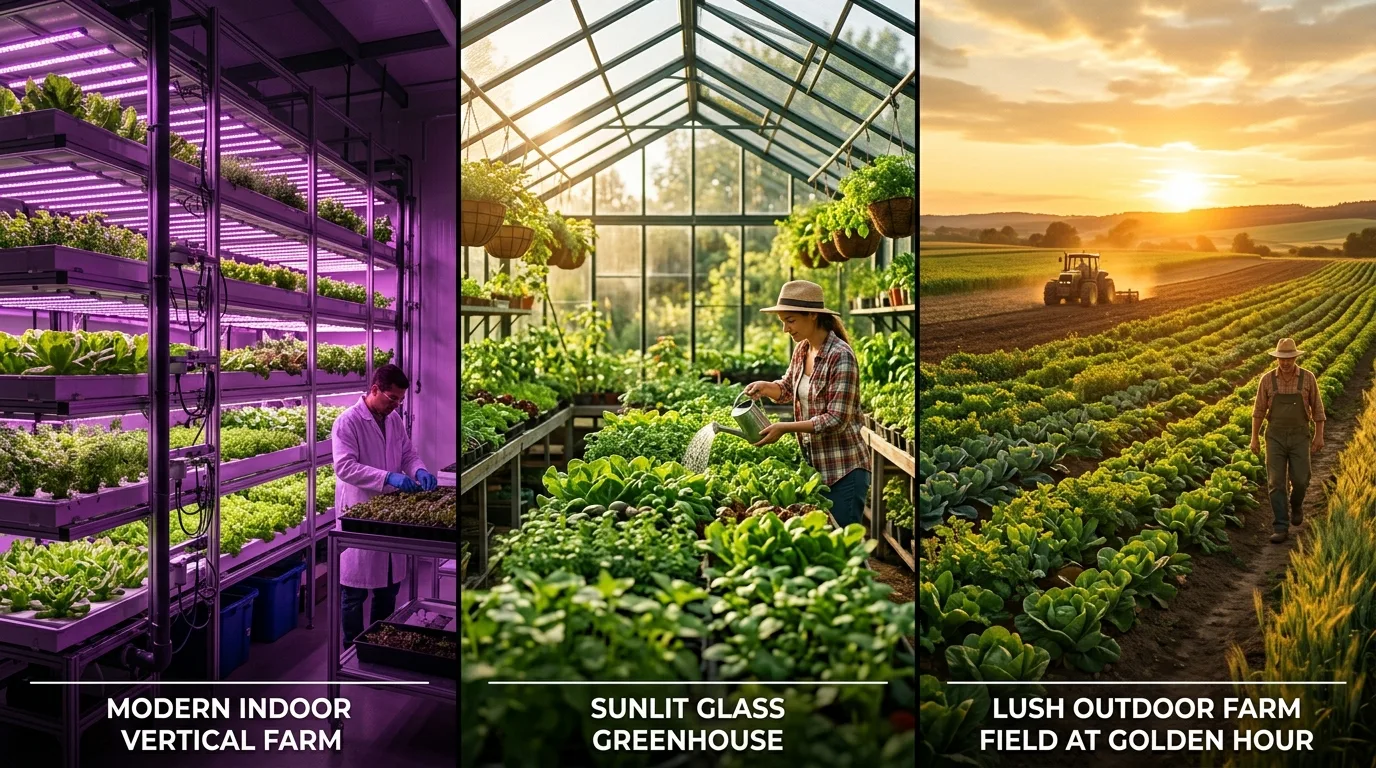
Indoor vs Greenhouse vs Outdoor THC: A Price & Quality Breakdown
Three growing methods, three price points, three different flower experiences. Here's how each is grown, what it costs, and how to pick the right tier for your budget and your taste.
Walk through any cannabis retailer's catalog and you'll see flower at wildly different price points. $50 for an eighth (3.5g) at the high end, $70 for a full ounce at the low end. That's a 16x difference in price per gram. New buyers — reasonably — wonder if the expensive product is 16x better, or if it's mostly marketing.
The price difference is almost entirely about how the cannabis was grown. Three primary methods — indoor, greenhouse, and outdoor — each carry different production costs, deliver different sensory experiences, and target different buyer types. This guide walks through all three so you can pick the tier that fits your budget and use case.
Indoor Cultivation: The Premium Tier
How It's Grown
Indoor cannabis is grown in fully-enclosed buildings — warehouses, converted industrial spaces, or purpose-built facilities — with no natural sunlight. Everything is artificial: high-intensity LED or HPS grow lights, climate control, dehumidification, CO2 supplementation, hydroponic or super-soil nutrient systems.
Typical indoor production cycle:
8-week vegetative growth under 18-24 hours of light per day
8-10 week flowering phase under 12 hours of light
Hand-trimmed harvest (machines damage trichomes)
2-4 week cure in glass jars to develop terpenes and burn quality
From clone to consumer, an indoor harvest takes 4-5 months and consumes roughly $1,500-3,000 per pound in direct production cost (electricity is 30-50% of that).
What You Get
Cannabinoid potency: 22-30% THCa, sometimes pushing 35%.
Terpene expression: Strongest of the three methods. Indoor growers can fine-tune environmental stress to maximize terpene biosynthesis.
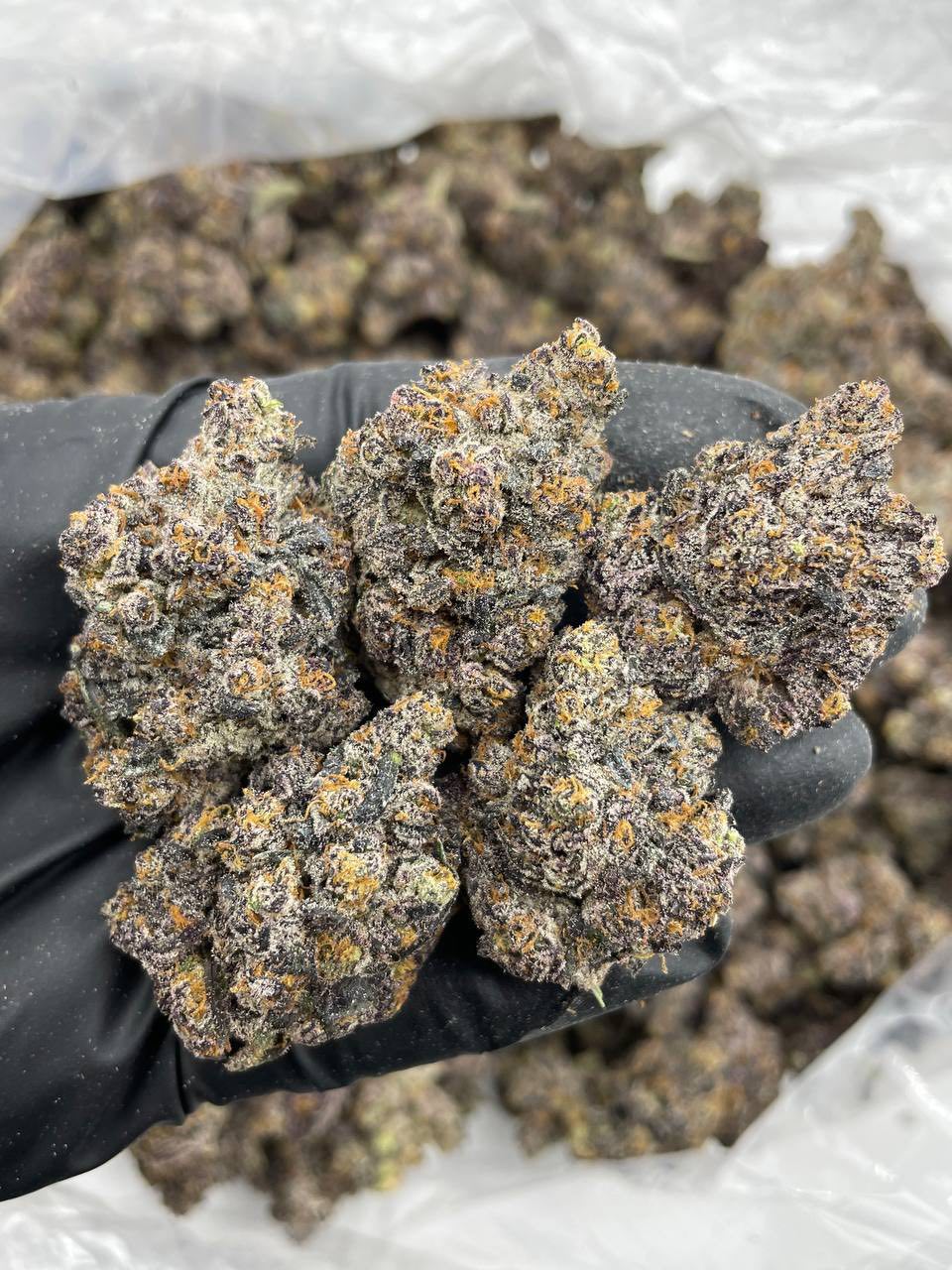
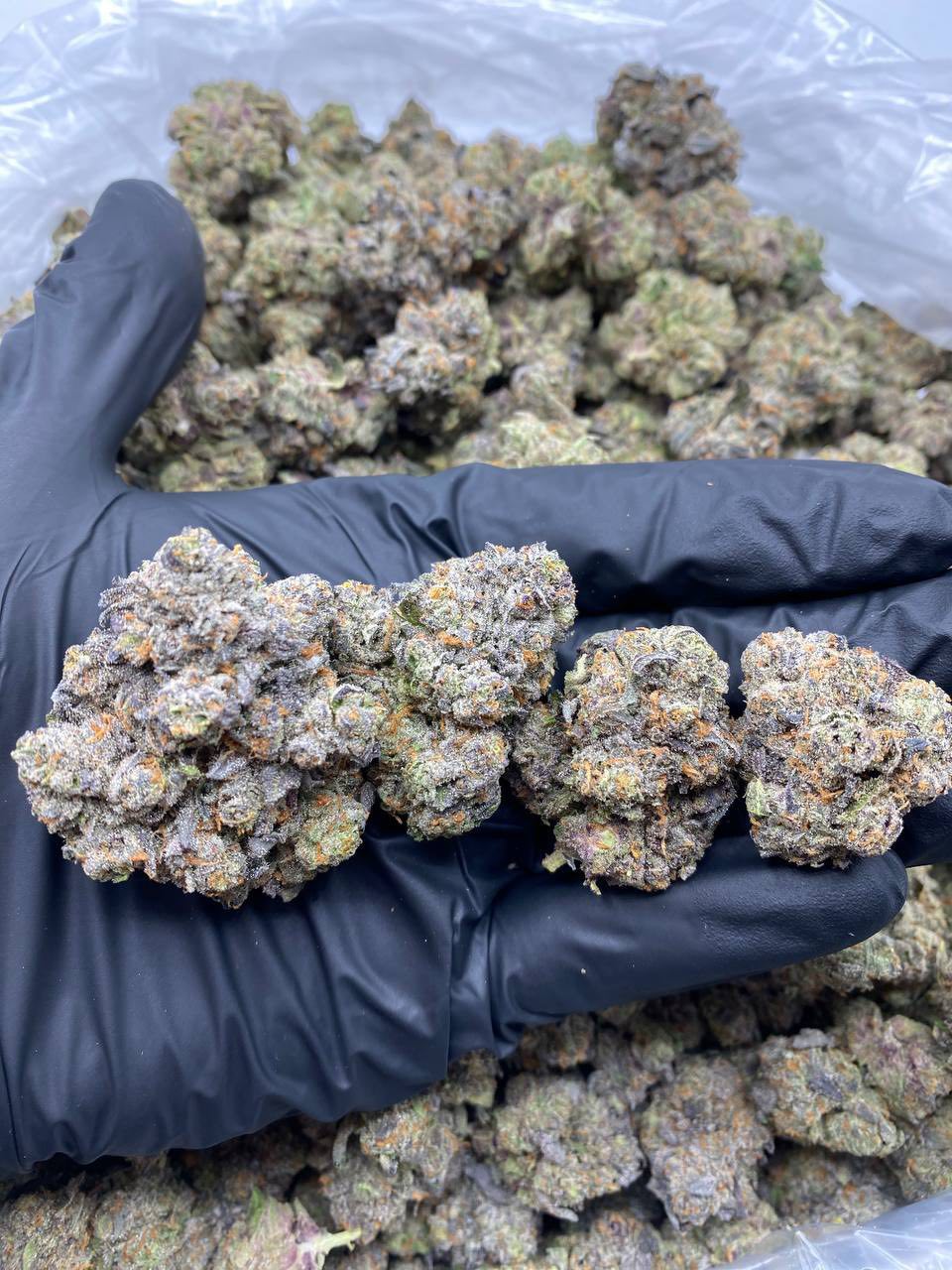
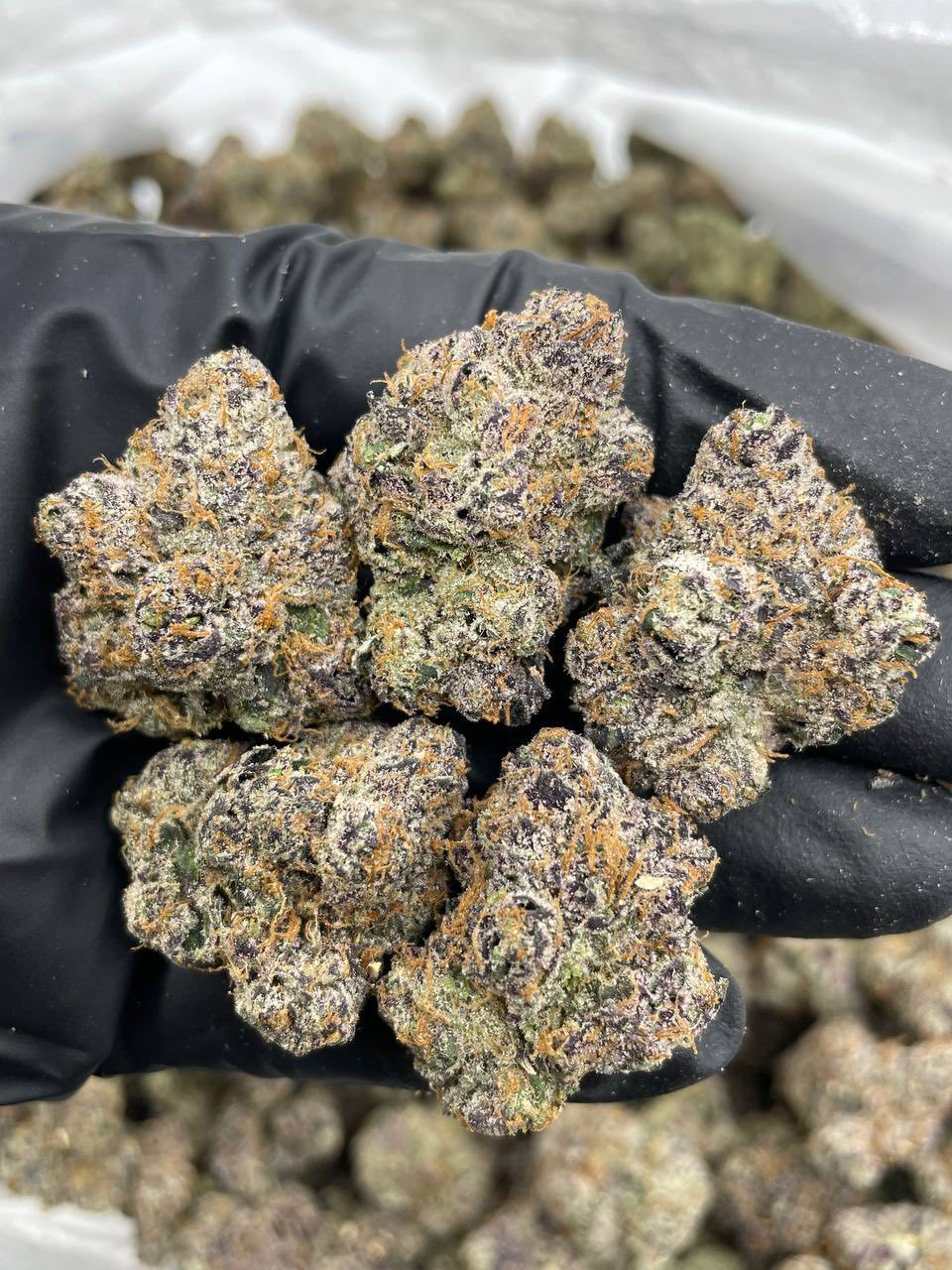
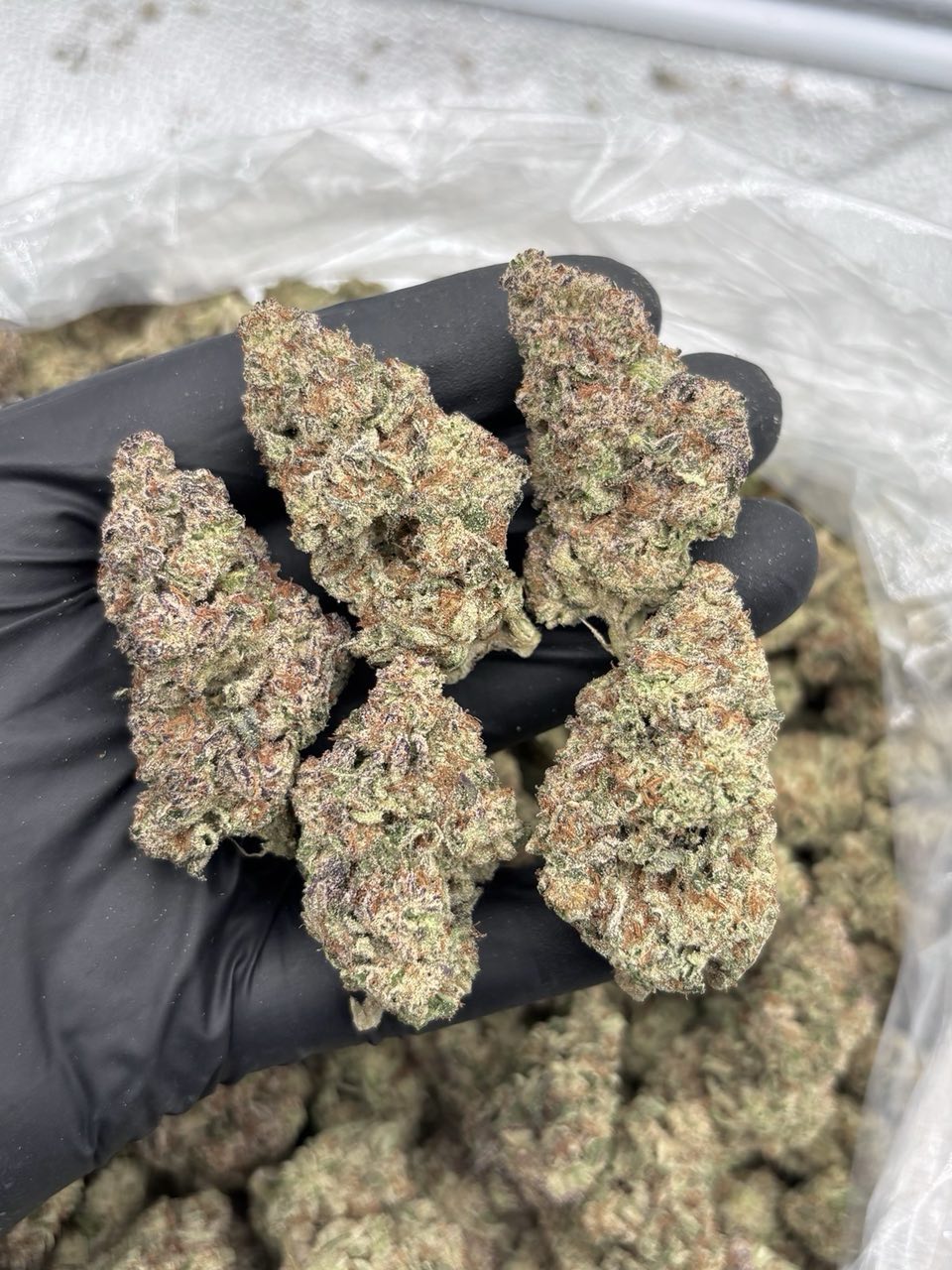
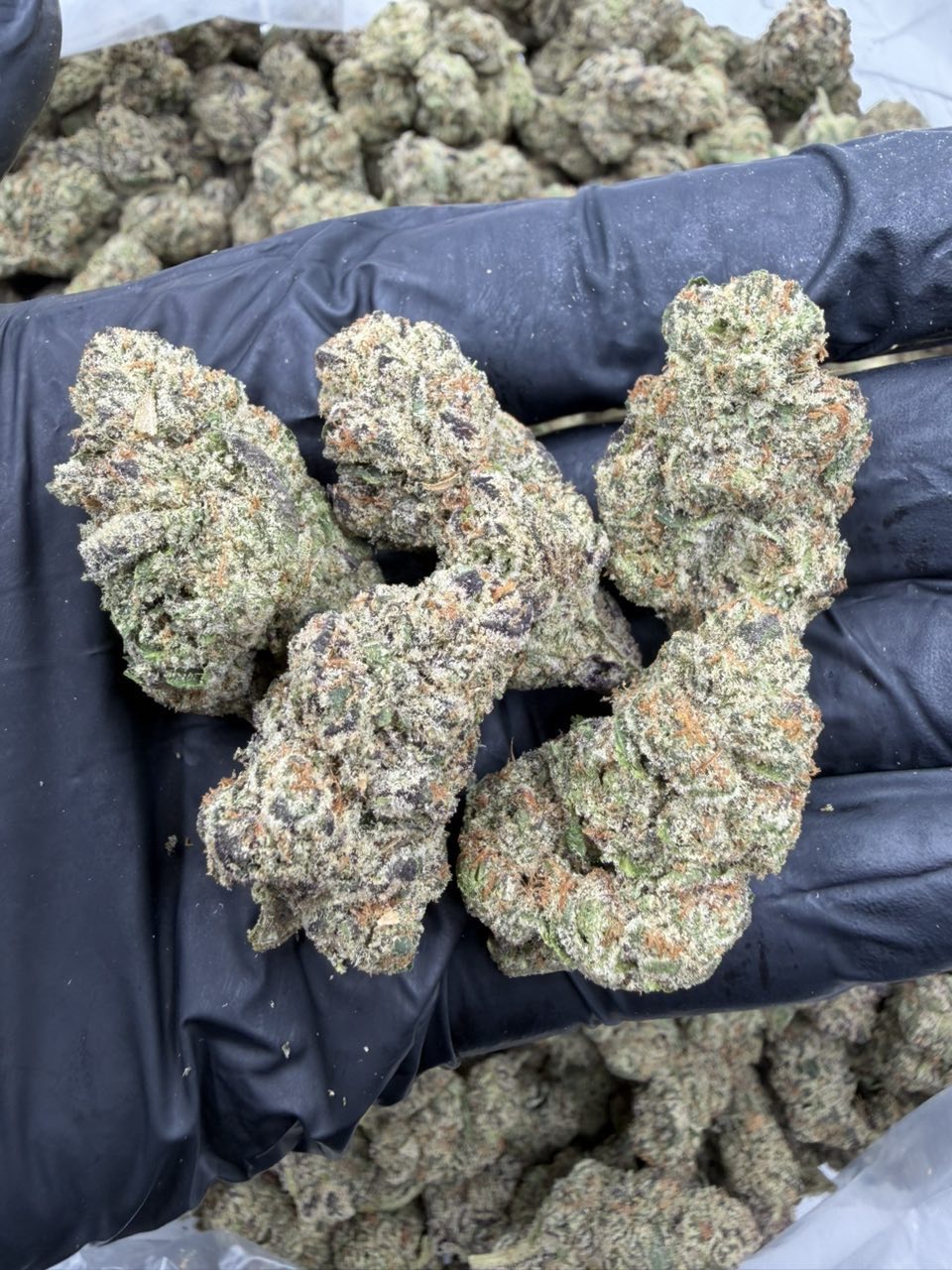
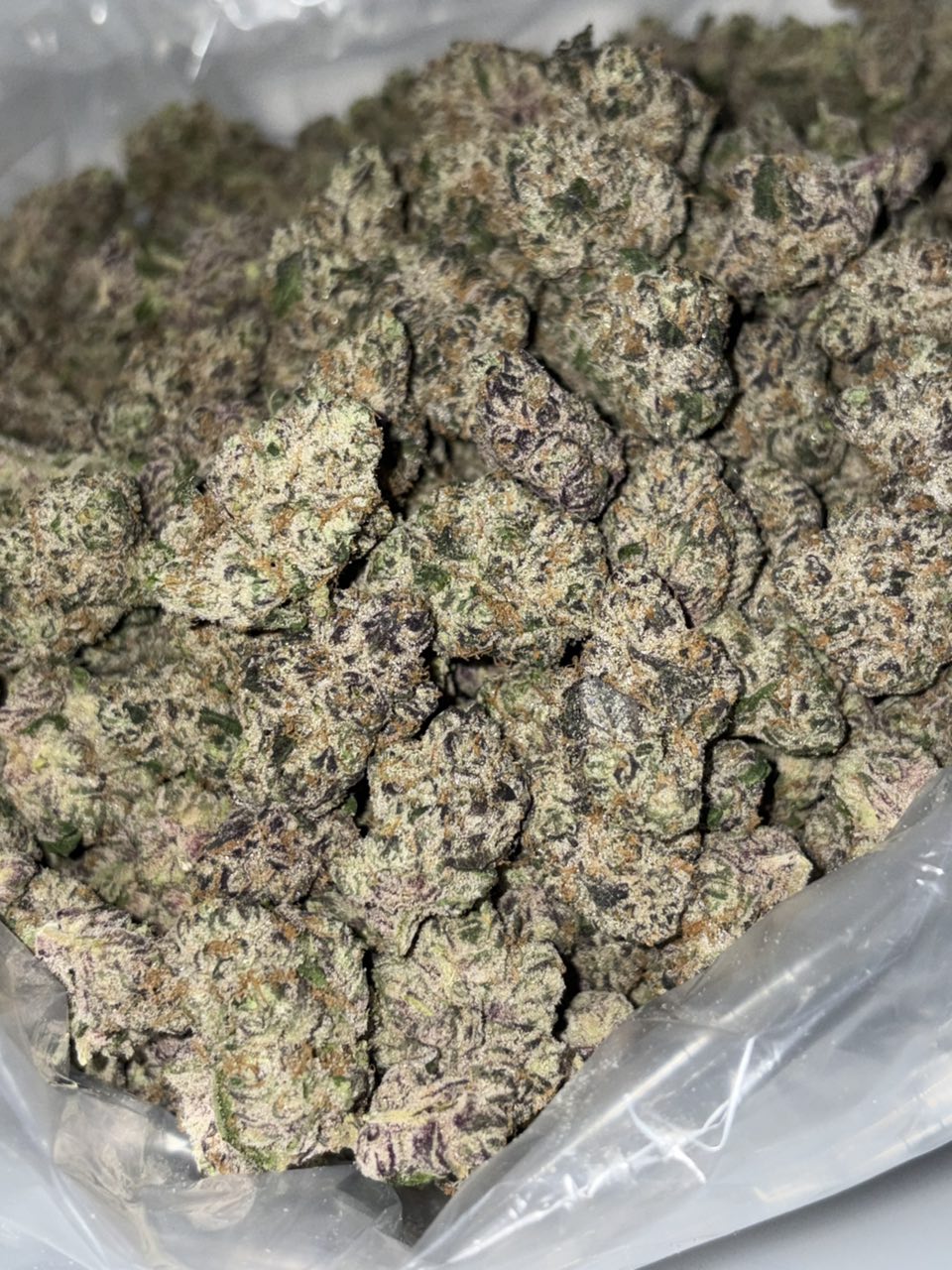
Bud structure: Dense, frosty, vivid coloration. Trichome coverage is the best visual marker.
Consistency: Highest. Climate control eliminates seasonal variation.
Burn quality: Smoothest, cleanest white ash.
What You Pay
Indoor flower runs $30-60 per eighth (3.5g) at retail. Top-shelf indoor for special-occasion buyers; less common in mid-market.
Best For
Connoisseurs who care about terpene complexity and visual quality
Special-occasion or weekend use rather than daily
Gifts (the visual quality is impressive)
Anyone trying a new strain for the first time — indoor is the most consistent expression of any given genetic
Browse our Top Shelf Fresh Drops collection for the indoor tier.
Indoor cannabis is the test-driving experience of a strain. If you want to know what a particular genetic 'really' is — its peak aroma, peak potency, peak visual — you want indoor.
Greenhouse Cultivation: The Middle Tier
How It's Grown
Greenhouse cannabis combines natural sunlight with controlled environmental systems. Plants grow under glass or polyethylene with supplemental artificial lighting (typically used for 'light deprivation' techniques to control flowering cycles), automated ventilation, and sometimes climate control.
Typical greenhouse cycle:
Vegetative phase under combined sun + supplemental light
Light-deprivation 'blackout' techniques force flowering when desired
Climate-controlled environment reduces mold and pest risk
Multiple harvests per year possible (versus one for true outdoor)
Production cost: $600-1,200 per pound — roughly half indoor cost. The sun does most of the lighting work.
What You Get
Cannabinoid potency: 18-25% THCa typically. Sometimes higher for premium greenhouse.
Terpene expression: Strong — natural sunlight produces full-spectrum terpene development.
Bud structure: Dense but slightly looser than indoor. Less 'frosty' appearance but more aromatic in some cultivars.
Consistency: Good. Environmental controls reduce most seasonal variability.
Burn quality: Very good. Properly cured greenhouse burns cleanly.
What You Pay
Greenhouse flower runs $120-200 per ounce — half to two-thirds the cost per gram of indoor.
Best For
Regular users who want premium quality at a reasonable price
Daily users who don't need the visual peak of indoor
Anyone who wants strong terpene complexity but doesn't want to pay indoor prices
Bulk buyers (greenhouse pounds offer the best quality-per-dollar)
Explore our Smalls and bulk offerings for the greenhouse tier.
Outdoor Cultivation: The Value Tier
How It's Grown
Outdoor cannabis is the classic open-field method — plants grown in soil under full sunlight, with natural rainfall (supplemented by irrigation) and one annual harvest. Cannabis is a photoperiod plant, and outdoor growers depend on the changing daylight hours to trigger flowering, typically in late summer.
Typical outdoor cycle:
Spring transplant after the last frost (April-May in most regions)
Vegetative growth through long summer days
Natural flowering trigger as daylight shortens in August
Single harvest in September-October
Cure and trim happens through fall and early winter
Production cost: $300-600 per pound. The lowest of the three methods because sun, rain, and natural soil do most of the work.
What You Get
Cannabinoid potency: 15-22% THCa typical for outdoor. Premium outdoor can match greenhouse.
Terpene expression: Good, especially when cured well. Outdoor often has earthier, more 'natural' aromas.
Bud structure: Larger, looser buds. More variability in coloration. Sometimes minor sun bleaching.
Consistency: Most variable of the three. Weather affects each harvest differently.
Burn quality: Solid if properly cured. Some outdoor has a slightly grassier burn taste in untrained palates.
What You Pay
Outdoor flower runs $70-150 per ounce — the value-tier sweet spot. Quality outdoor at $70/oz is hard to beat on price-per-experience.
Best For
Daily users on a budget
Anyone consuming for sleep or chronic-symptom management where peak terpene complexity isn't critical
Bulk buyers — outdoor pounds are the most economical bulk option
Experienced users who know what they're looking for and don't need the marketing markup
Our $70 Smalls collection and LOWEZ Indoor tier offer the best-value outdoor and bottom-shelf options.
Side-by-Side Comparison Table
The quick reference for everything covered above:
Indoor
THCa: 22-30%
Price: $30-60/eighth or ~$200-400/oz
Visual: dense, frosty, vivid
Terpenes: peak expression
Best for: special occasions, gifts, strain discovery
Greenhouse
THCa: 18-25%
Price: $120-200/oz
Visual: dense, less frosty than indoor
Terpenes: strong, full-spectrum
Best for: regular use, bulk purchases, quality-per-dollar
Outdoor
THCa: 15-22%
Price: $70-150/oz
Visual: larger, looser, more variation
Terpenes: earthy and natural, properly cured
Best for: daily use, budget buyers, bulk economics
Which Should You Buy?
If you're new to THCa
Start with one indoor eighth from Top Shelf Fresh Drops. You'll experience the peak version of whatever genetic you pick, which sets a baseline for everything you compare to later. Once you have your reference point, you can move down the price tiers and know exactly what you're trading off.
If you smoke daily and want to keep costs reasonable
Buy $70 Smalls or LOWEZ outdoor in ounce or quarter-pound quantities. $70 Smalls is the sweet spot for most daily users — lab-tested greenhouse-grade flower at a price you can actually sustain.
If you're stocking up or buying in bulk
Look at our bulk pounds page. Per-gram pricing drops substantially. Most serious daily users buy by the quarter-pound or pound rather than by the eighth.
If you're gifting
Indoor. Period. The visual quality matters when someone is opening a jar for the first time. The terpene complexity makes the experience memorable.
If you're using for medical or wellness reasons
The cannabinoid + terpene profile matters more than the cultivation method. Check the COA for the specific markers — myrcene for sleep, caryophyllene for anxiety, limonene for mood — across all three tiers. A well-cured outdoor flower with the right terpenes can outperform indoor with the wrong profile.
Common Misconceptions
"Indoor is always better than outdoor"
False. Indoor produces the peak version of a strain's potential, but quality varies enormously within each cultivation method. Top-shelf outdoor can absolutely beat mid-tier indoor.
"Outdoor flower fails drug tests less"
Also false. THCa content can be very similar; what matters for drug tests is your consumption, not the cultivation method.
"Greenhouse is just outdoor with a roof"
Misleading. Modern greenhouses use supplemental lighting, climate control, light deprivation, and CO2 enrichment. The output more resembles indoor than outdoor, at a fraction of the energy cost.
"Outdoor is always cheaper because it's lower quality"
Partly true, mostly misleading. Outdoor is cheaper because growing in sunlight requires almost no electricity. Quality difference is much smaller than the price difference suggests.
Practical Next Steps
If you're a regular reader and have read our other guides, here's the recommended flow:
Try one of each tier over your first three orders. Pick the same strain (or similar profile) across all three to control for genetics. Track your experience with our dosing diary template.
Settle on a regular tier based on your budget and use frequency. Most regular users land on greenhouse or outdoor for daily use, with the occasional indoor purchase for special moments.
Buy in larger quantities once you know your strain. An eighth costs much more per gram than an ounce; an ounce costs much more per gram than a quarter-pound. Bulk pricing is where the real savings live.
Disclaimer: Pricing varies seasonally and by harvest. Quality within each tier varies by cultivar, grower, and curing process. Always check the COA for the specific batch you're considering. WHAM products are for adults 21+ in states where hemp-derived products are legal.
Keep reading & shop
Is Lil Baby's Weed Real? WHAM THC Explained — & Where to Buy the Official One
Is Lil Baby's WHAM Weed Real? How to Spot the Official Brand
Shop: Shop Smalls
What the writer recommends
6 hand-picked products
Further reading
Resources & References
Quick answers
Frequently asked
It depends what 'better' means. Indoor offers tighter quality control, more vibrant appearance, and the strongest terpene expression — at 3-5× the price. Outdoor offers competitive cannabinoid potency at a fraction of the cost. Greenhouse is the middle ground. For most daily users, mid-tier greenhouse or outdoor flower is the best price-per-experience.
Electricity. Indoor cultivation requires high-intensity grow lights running 12-18 hours a day, climate control, dehumidifiers, and CO2 supplementation. A pound of indoor flower can cost $1,500-3,000 to produce versus $300-600 for outdoor. The cost is real, not marketing.
Slightly, on average, but not always. Outdoor flower typically tests 15-22% THCa versus 22-30% for indoor. Genetics matter enormously — premium outdoor cultivators can produce 22%+ flower that beats lower-quality indoor.
All three age similarly if stored properly (cool, dark, airtight, 55-62% humidity). Indoor flower's denser bud structure can hold up slightly better against environmental exposure, but in good storage all three retain peak potency for 6-12 months.
Often, yes. Indoor flower is usually denser, more trichome-coated, with brighter coloration and more vibrant pistils. Outdoor flower is typically larger, looser, sometimes with more sun-bleaching. Greenhouse falls between — denser than outdoor but less visually 'frosty' than indoor.
Keep reading
More from the editorial
Articles in Education and across the WHAM Read.
 Education2 min
How Long Does a THC High Last? (2026 Timeline)
A smoked or vaped THC high usually peaks within 10 minutes and lasts about 1–3 hours; THC edibles run 4–8 hours. This guide breaks down how long a THC high lasts by method, what changes the duration, and how to come down faster if you need to.
 Education4 min
What Are WHAM Packs? Lil Baby Weed Packs, Sizes and Prices
A WHAM pack is a quarter pound to a full pound of Lil Baby's weed, mixed with some disposables and shipped in a double-sealed, nitrogen-sealed, smell-proof packet. Here are the sizes, how the pricing works, and how to order one.
Education4 minWhat Strain Is Lil Baby's Weed? The WHAM Strains Explained
Lil Baby's weed isn't a single strain — WHAM is his brand, with around 90 flower options on the menu. Most are hybrids, with indica picks like Alien ET and sativa picks like Sour Diesel. Here are the best sellers and how to pick one.

Get 5% off + the best reads in your inbox
Join 50,000+ subscribers. One short editorial email a week — unsubscribe any time.
No spam · unsubscribe in one click