
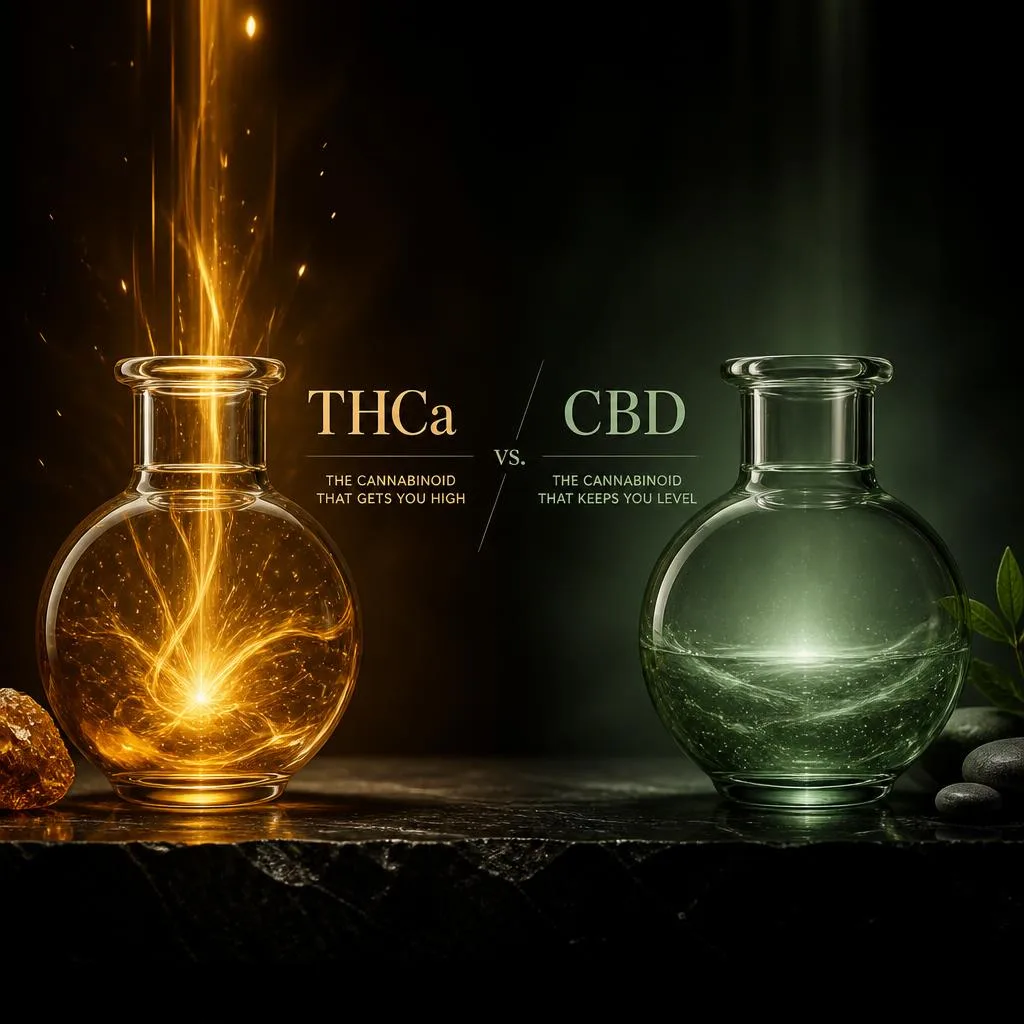
THC vs CBD: What's the Actual Difference?
Both come from hemp, both are 'legal cannabinoids' — but one gets you high the moment you light it and the other never will. Here's the full breakdown, side by side.
THCa and CBD are both hemp-derived, federally legal cannabinoids — and that's where the similarity ends. THCa converts to Delta-9 THC when you heat it, delivering the full traditional cannabis high. CBD is non-intoxicating no matter how much you take or how you take it. One is about the experience; the other is about avoiding it. Here's the whole comparison, minus the marketing fog.
Simplest version: THCa is cannabis with the high intact. CBD is cannabis with the high removed.
What THCa is
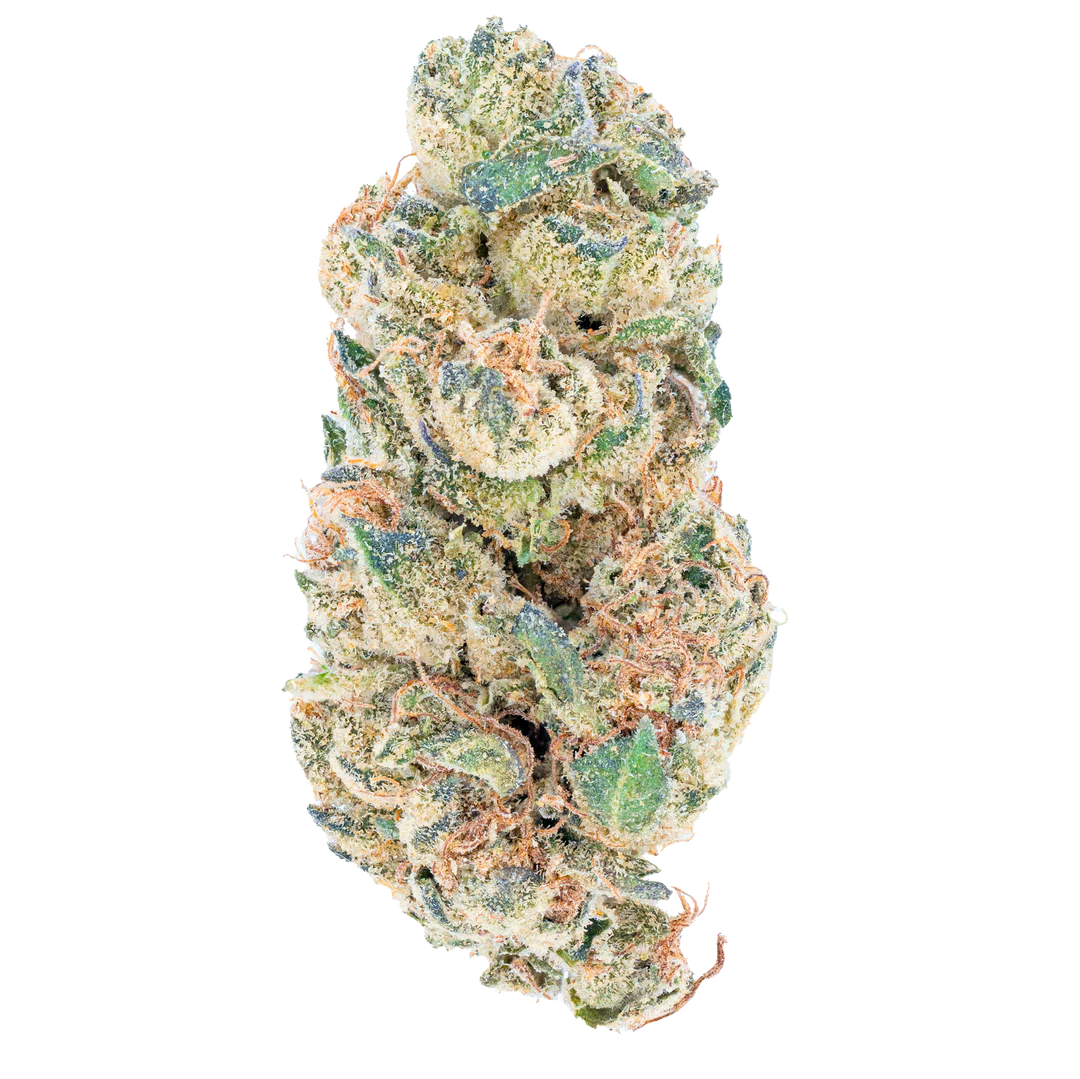
THCa (tetrahydrocannabinolic acid) is the raw, unheated form of THC that lives in fresh cannabis flower. On its own it isn't intoxicating — but the moment you light or vape it, heat converts it to Delta-9 THC in a reaction called decarboxylation (the full chemistry here). That's why THCa flower absolutely gets you high — smoked, it is functionally the same product as traditional high-THC cannabis, just grown from hemp that keeps its Delta-9 at or below 0.3% before heating.
What CBD is
CBD (cannabidiol) is a different cannabinoid entirely. It doesn't meaningfully bind the brain's CB1 receptors, so it produces no euphoria and no altered perception at any dose. People reach for it for calm, recovery, and routine wellness — as oils, gummies, capsules, and low-THC flower. It's the option for people who specifically don't want to feel high.
THCa vs CBD, side by side
The high: THCa (heated) delivers a full THC experience — euphoria, relaxation, the works. CBD delivers none, ever.
How they're used: THCa is smoked or vaped as premium flower, pre-rolls, and concentrates. CBD is mostly oils, edibles, and topicals.
Federal legality: both ride the 2018 Farm Bill's hemp definition — ≤0.3% Delta-9 THC by dry weight (how that works).
State legality: CBD is accepted nearly everywhere; THCa flower is restricted in a handful of states — check yours here.
Lab numbers: on a COA you'll see THCa listed separately from Delta-9 — a 25% THCa jar is strong flower (how to read a lab report). CBD products list CBD mg per serving instead.
Drug testing: THCa = THC metabolites = a failed test. Pure CBD generally passes, but full-spectrum products carry trace THC.
Which one should you choose?
Ask one question: do you want to feel it? If yes — the flavor, the effect, the ritual — THCa flower is the answer, and it ships legally to most states. Start with an even hybrid like Gelatti or the fresh Bellagios D8 drop, or go classic with Sour Diesel. If you're new to real potency, read the beginner dosing guide first. If the answer is no — you want calm with a clear head — CBD is the right tool, and there's no shame in it.
Can you use both?
Plenty of people do: CBD for daytime steadiness, THCa in the evening when the day is done. The two aren't rivals so much as different settings on the same plant. And because CBD softens some of THC's edge, a little CBD alongside strong flower can smooth the ride — part of the entourage effect that makes full-spectrum products feel rounder than isolates (more in our terpene and flavor guide).
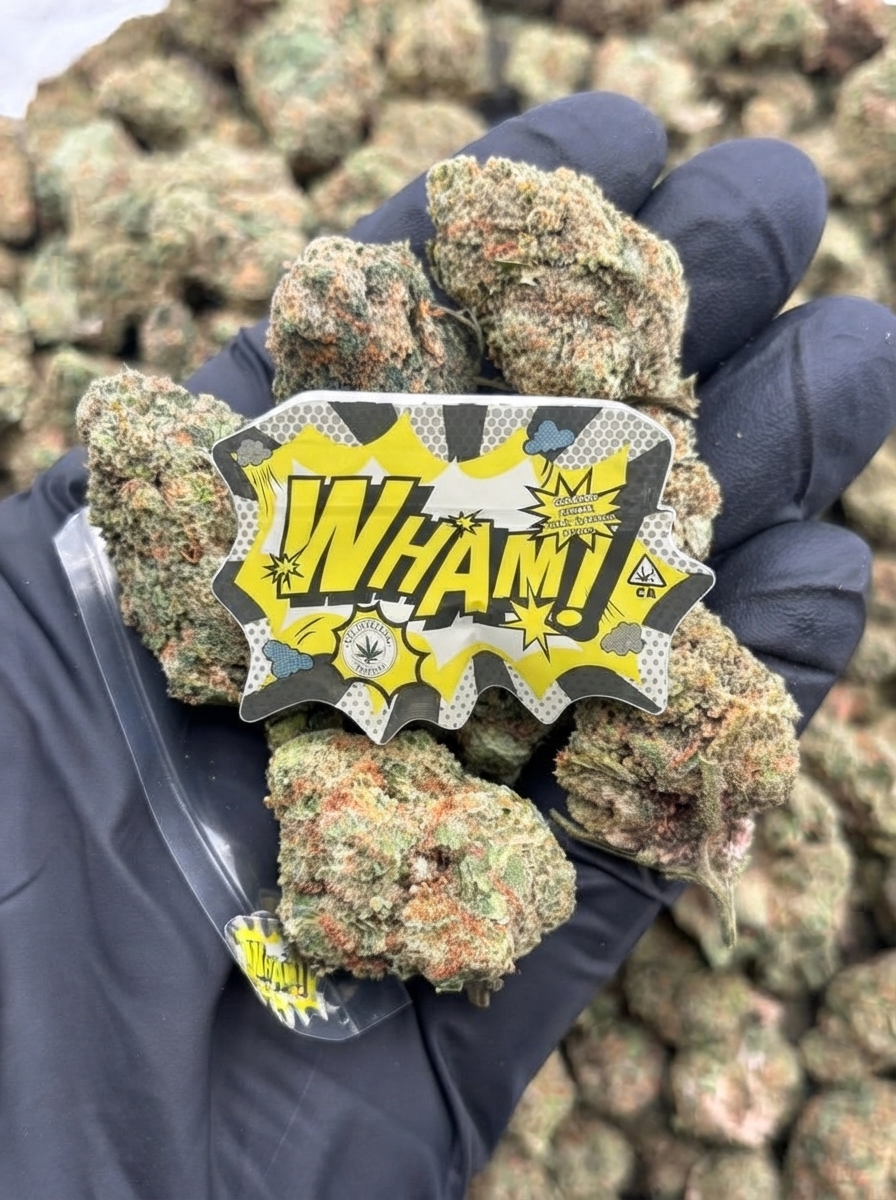
Bottom line: CBD is for staying level, THCa is for lifting off. When you're ready for the real thing, every jar on the WHAM menu — from Cream Latto #2 to Jealousy — is lab-tested, federally legal THCa flower shipped discreetly to your door.
Keep reading & shop
Shop: Shop THCa flower
What the writer recommends
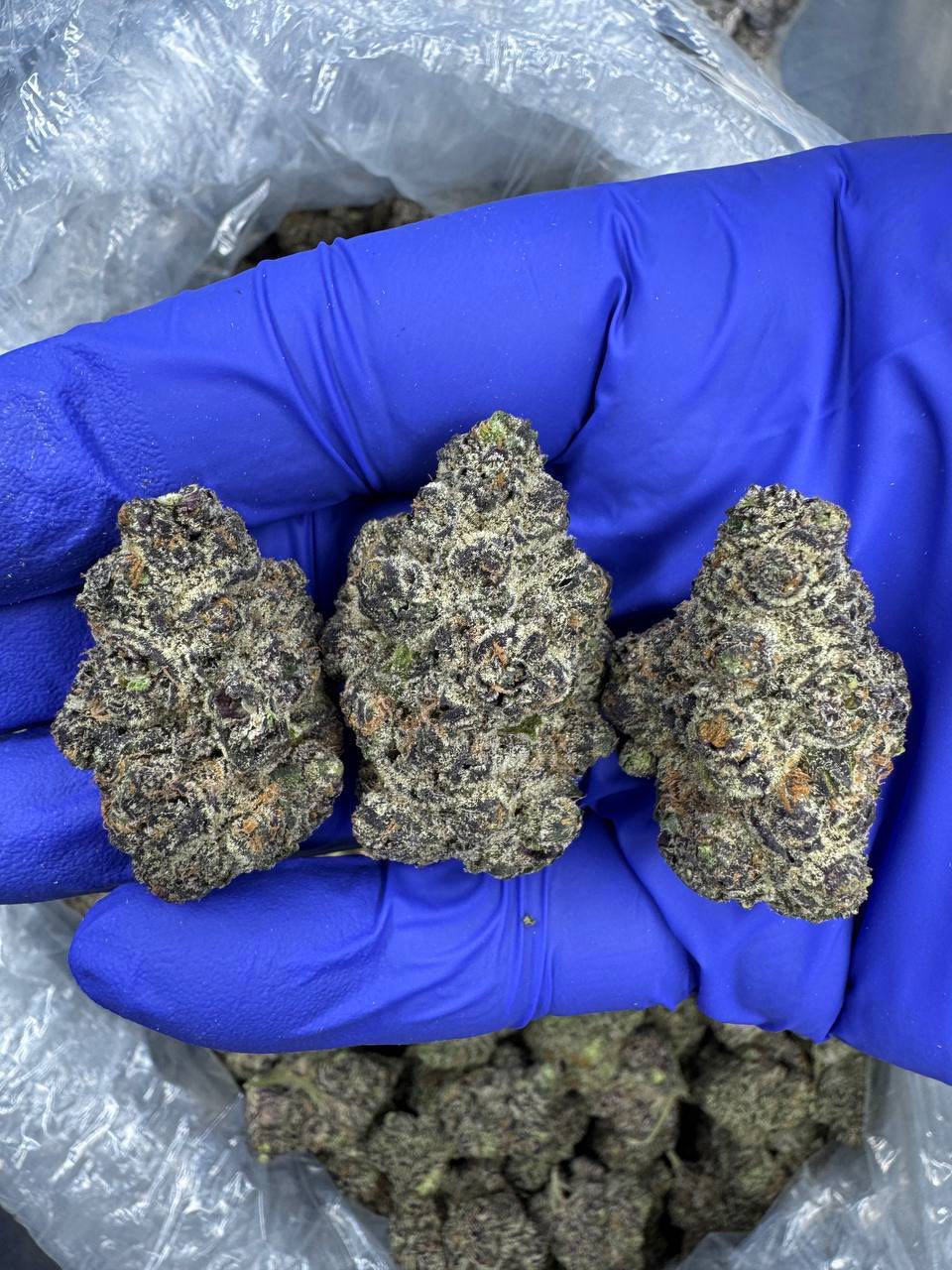
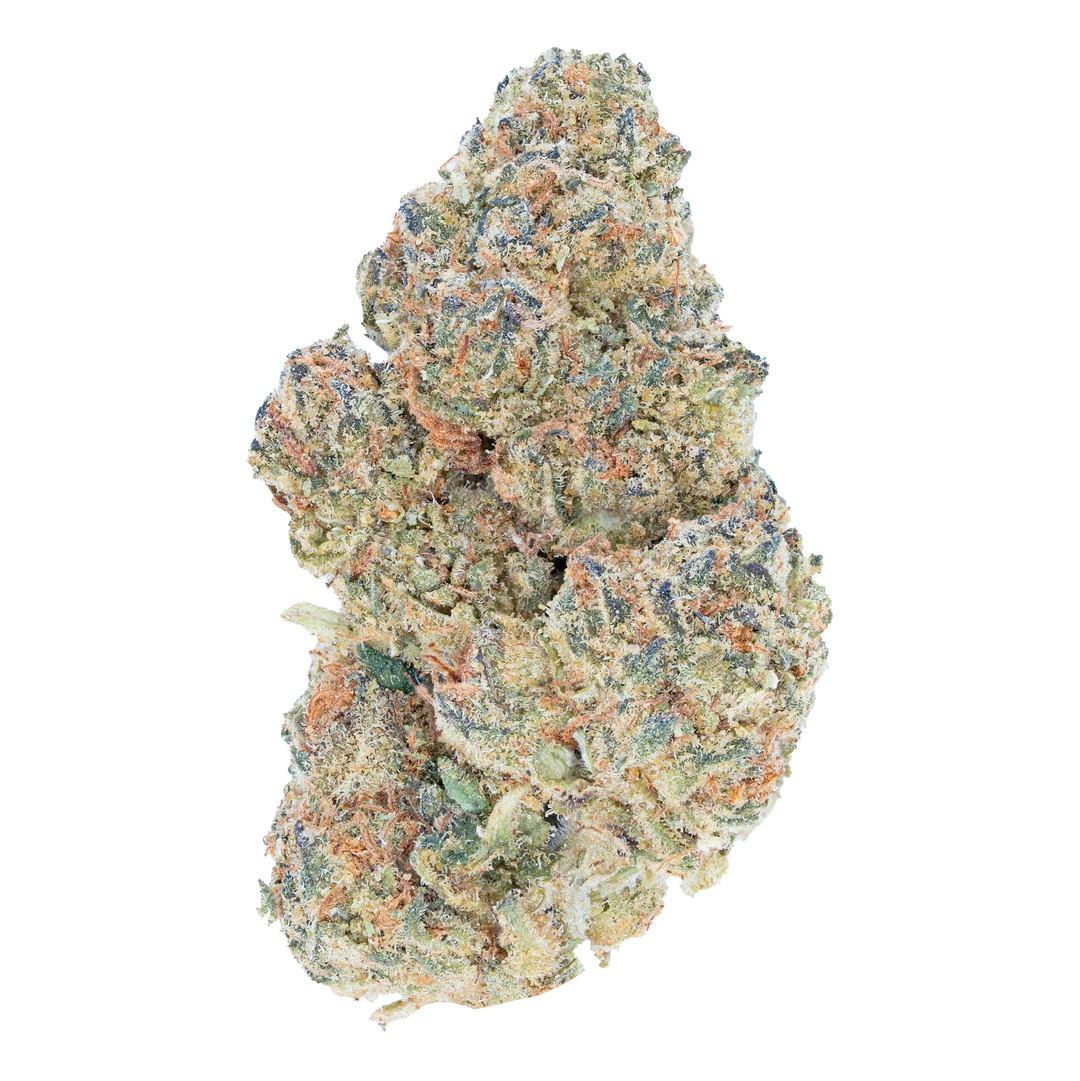
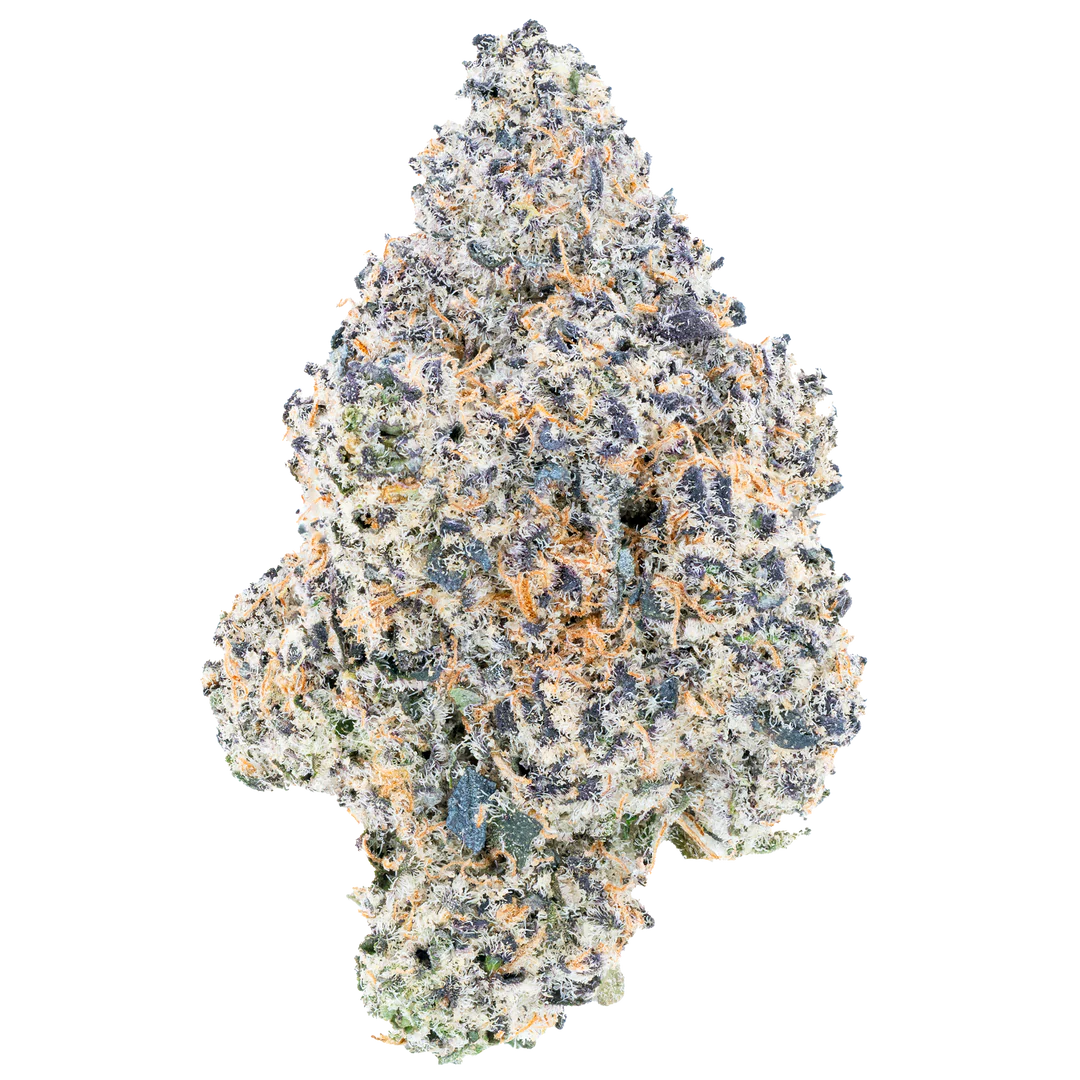
6 hand-picked products
Further reading
Resources & References
Quick answers
Frequently asked
THCa is the raw form of THC — heat it (smoke, vape) and it converts to Delta-9 THC, delivering a full traditional high. CBD is non-intoxicating no matter how it's consumed; people use it for calm and routine wellness, not for a buzz. Both are hemp-derived and federally legal under the 2018 Farm Bill.
No. CBD doesn't bind to the brain's CB1 receptors the way THC does, so there's no euphoria, no altered perception, no high — at any dose. THCa flower, once lit, is chemically the same experience as traditional high-THC cannabis. If you want an actual high, THCa is the one.
Neither is 'better' — they do different jobs. Choose THCa if you want the full effect, flavor, and experience of real cannabis. Choose CBD if you want zero intoxication. Some people use both: THCa in the evening, CBD during the day. It comes down to whether you want to feel it.
Federally, yes — both are hemp products under the 2018 Farm Bill as long as Delta-9 THC stays at or below 0.3% by dry weight. State law varies more for THCa than CBD, so check your state before ordering THCa flower. CBD is broadly accepted almost everywhere.
THCa will — once heated it becomes THC, and its metabolites are exactly what drug tests look for. Pure CBD generally won't trigger a THC test, though full-spectrum CBD products contain trace THC that can accumulate. If you're tested for work, treat THCa exactly like traditional cannabis.
Keep reading
More from the editorial
Articles in Education and across the WHAM Read.
 Education2 min
How Long Does a THC High Last? (2026 Timeline)
A smoked or vaped THC high usually peaks within 10 minutes and lasts about 1–3 hours; THC edibles run 4–8 hours. This guide breaks down how long a THC high lasts by method, what changes the duration, and how to come down faster if you need to.
 Education4 min
What Are WHAM Packs? Lil Baby Weed Packs, Sizes and Prices
A WHAM pack is a quarter pound to a full pound of Lil Baby's weed, mixed with some disposables and shipped in a double-sealed, nitrogen-sealed, smell-proof packet. Here are the sizes, how the pricing works, and how to order one.
Education4 minWhat Strain Is Lil Baby's Weed? The WHAM Strains Explained
Lil Baby's weed isn't a single strain — WHAM is his brand, with around 90 flower options on the menu. Most are hybrids, with indica picks like Alien ET and sativa picks like Sour Diesel. Here are the best sellers and how to pick one.

Get 5% off + the best reads in your inbox
Join 50,000+ subscribers. One short editorial email a week — unsubscribe any time.
No spam · unsubscribe in one click