
THC for Anxiety: What the Research Actually Says and Which Strains Help
Cannabis can both relieve and trigger anxiety. The difference is dose, terpene profile, and your individual chemistry. Here's the research-backed protocol for using THCa as an anxiety tool — without the paranoia trap.
If you're an anxiety-prone person who's been told cannabis 'helps with anxiety,' and you've also been told 'cannabis causes anxiety,' you're not getting contradictory information. Both statements are true — and the variable that determines which one applies to you is dose, terpene profile, environment, and individual chemistry.
This article is the research-grounded version. We'll walk through what peer-reviewed studies actually show about cannabis and anxiety, identify the specific terpenes and CBD ratios that correlate with anxiety relief, and outline a protocol that respects the biphasic (dose-dependent) nature of THC. By the end you should be able to make an informed decision about whether THCa is the right tool for your anxiety, and if so, exactly how to approach it.
Cannabis is one of the most-studied — and most-misunderstood — anxiety interventions in modern medicine. The takeaway from 40 years of research is simple: low doses help, high doses hurt, and individual chemistry matters enormously.
The Biphasic Effect: Why Dose Is Everything
The single most important concept in cannabis-and-anxiety research is the biphasic dose-response. Multiple studies, summarized in a 2017 NIH review, show:
Low THC doses (2.5-7.5 mg orally, or 1-3 inhales) reduce anxiety markers — both subjective (felt anxiety) and physiological (cortisol, heart rate).
Moderate doses (7.5-15 mg orally, or 3-6 inhales) produce mixed results — some users get relief, some get amplified anxiety.
High doses (15+ mg orally, or 8+ inhales) consistently increase anxiety, paranoia, and panic in most users.
This isn't a marketing-friendly message. The same molecule that calms you at one dose can panic you at another. Successful use of THCa for anxiety requires respect for the dose-response curve.
Why High Doses Backfire
At high doses, THC strongly stimulates CB1 receptors in the amygdala — the brain region responsible for fear and threat detection. The result is the classic 'I think I'm dying' panic spiral. At low doses, the same receptor stimulation produces calm rather than fear, because the activation curve is non-linear. Your job is to find the dose that lives on the calming side of that curve for your brain.
Terpenes That Reduce Anxiety
Terpenes — the aromatic compounds in cannabis (also found across plants like lavender, citrus, and pepper) — modulate THC's effects substantially. For anxiety specifically, three terpenes have well-documented anxiolytic properties:
Beta-Caryophyllene — The Stress Antidote
Beta-caryophyllene is unique among cannabis terpenes: it binds directly to CB2 receptors, which is the same receptor system that anti-anxiety medications target. It's also found in black pepper, cloves, and rosemary. Cannabis strains testing high in caryophyllene (>0.2% of total terpenes) tend to produce a notably mellower, less anxiety-prone high.
Limonene — The Mood Lifter
Limonene is the citrus terpene — bright, lemony, lifting. Multiple studies show limonene reduces stress and elevates mood. It's the terpene profile behind 'happy' or 'social' cannabis strains. Strains in the 0.3%+ limonene range tend to feel uplifting without being racy.
Linalool — The Calmer
The same terpene that makes lavender calming. Found at moderate levels in many indica strains. Pairs with caryophyllene to produce both physical and mental relaxation. Lower levels of linalool can still produce noticeable calming when paired with the right cannabinoid profile.
Terpenes to Avoid for Anxiety
Terpinolene (piney, floral) — common in racy, head-y sativas. Frequently associated with cerebral, anxiety-prone highs.
Pinene (pine) — alertness-boosting. Wrong direction if anxiety is your concern.
High myrcene without balancing caryophyllene — can produce overly heavy sedation that, paradoxically, some people experience as anxiety-inducing.
The Role of CBD
CBD (cannabidiol) is THC's chemical cousin and the most-studied anxiety-modulating cannabinoid. Where THC has a biphasic effect (helps low, hurts high), CBD has a monotonic effect — more CBD = less anxiety, with no upper-end backfire. A 2019 study in Frontiers in Psychiatry showed CBD doses of 25-75mg/day reduced anxiety scores in 79% of patients over 1-3 months.
Critically, CBD also modulates THC's effects. Taking CBD alongside THC blunts the anxiety risk of higher THC doses. This is the rationale behind 'balanced' (1:1 THC:CBD) flower and edibles.
Practical applications:
Strain selection: Look for THCa flower that also shows detectable CBDa content on the COA (>1-2%). The CBDa converts to CBD when heated and provides anxiety buffering.
Pre-session CBD oil: Some anxiety-prone users take 25-50mg of separate CBD oil 30 minutes before smoking. This raises the baseline CBD level and reduces THC anxiety risk.
Emergency intervention: If you've taken too much THC and start to feel anxious, taking CBD (25-50mg) can substantially reduce the peak intensity within 20-30 minutes.
The Anxiety-Friendly THCa Protocol
If you're using THCa with the explicit goal of reducing anxiety, here's the protocol that maximizes success and minimizes the backfire risk:
Step 1: Pick the Right Strain
Read the COA. Look for these properties:
THCa content: 18-22% (moderate — not 30%+ exotic strains)
CBDa content: detectable, ideally 1-3%
Beta-caryophyllene: 0.2%+
Limonene OR linalool: detectable
Avoid: high terpinolene, high pinene, or pure-indica sedating profiles
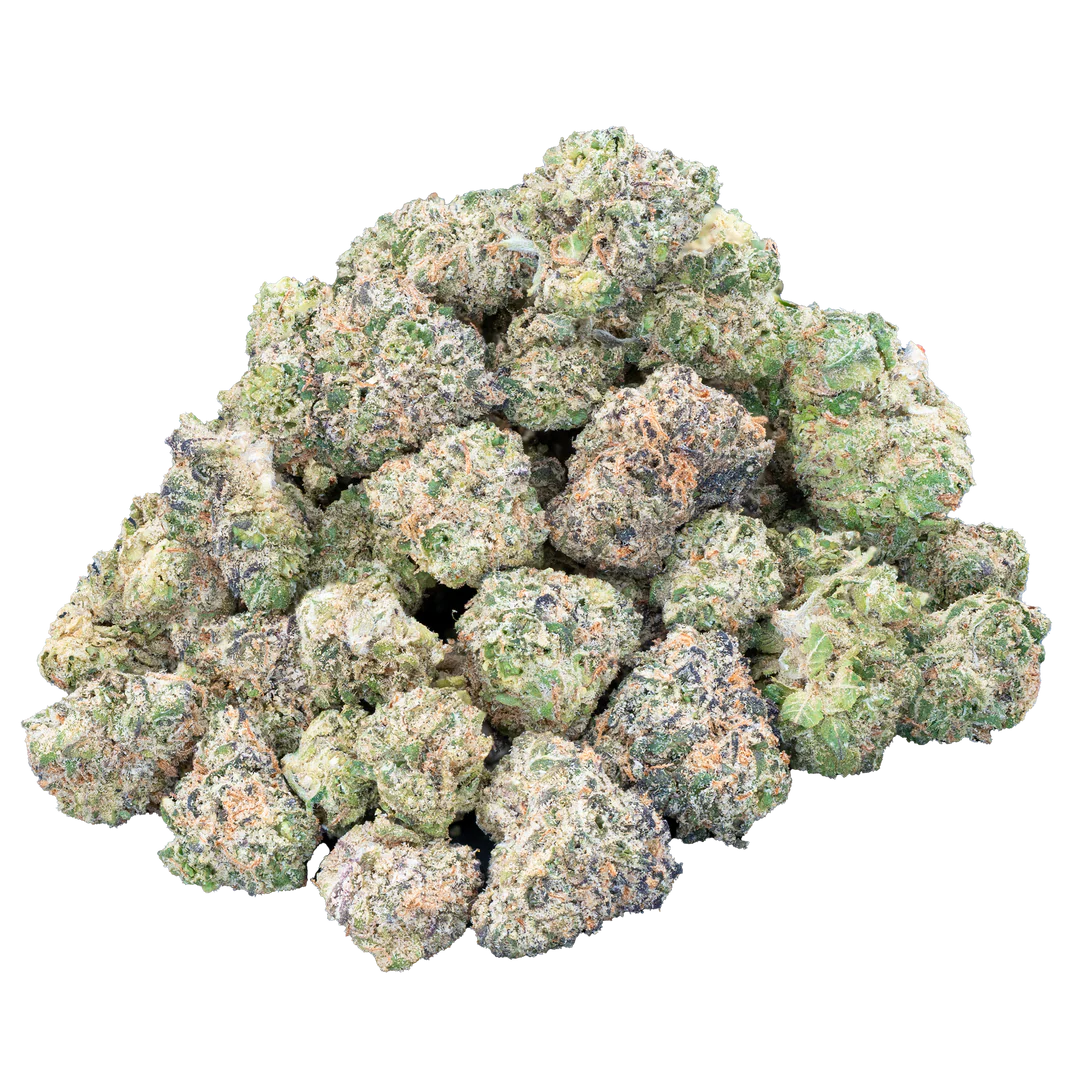
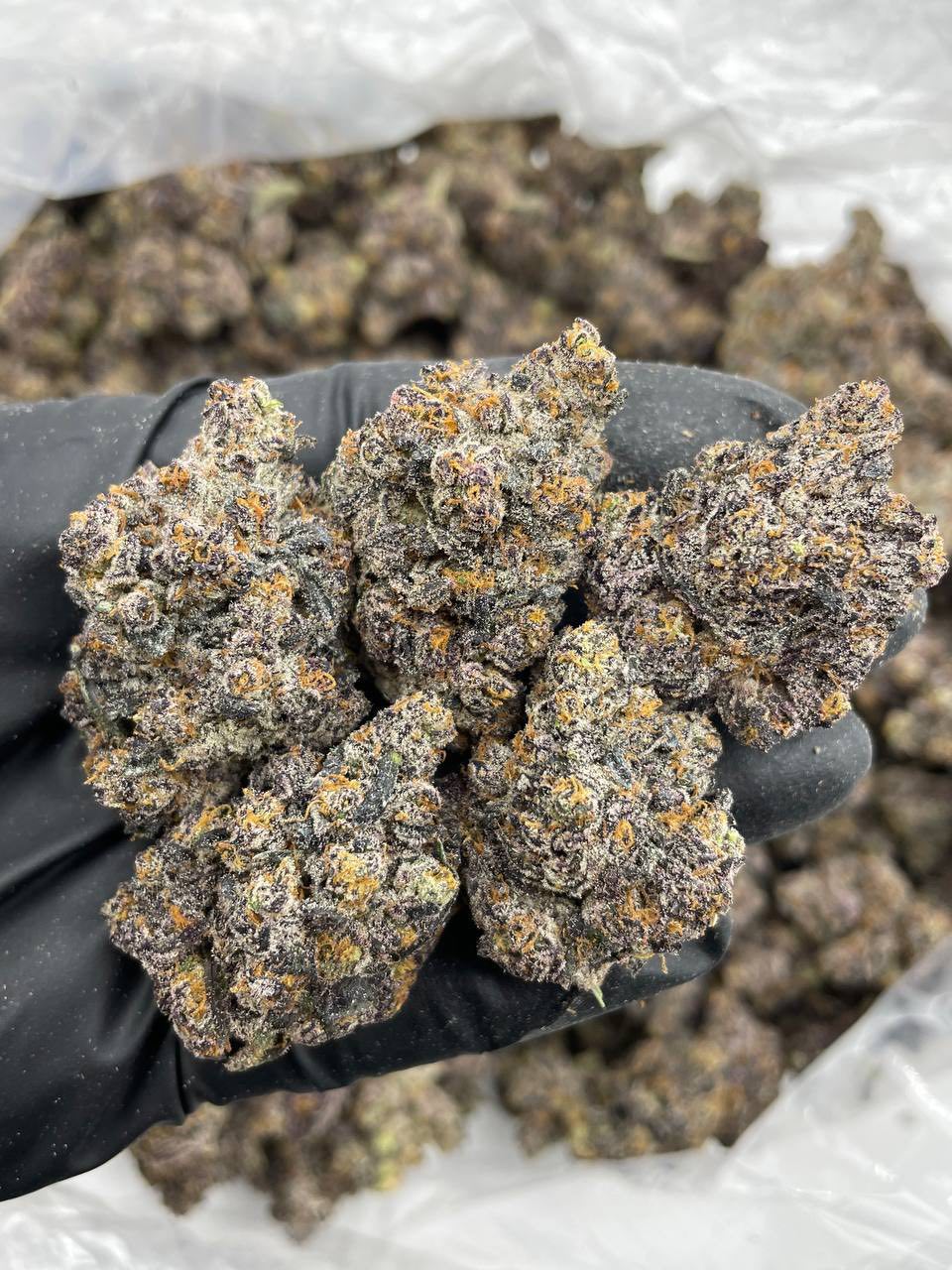
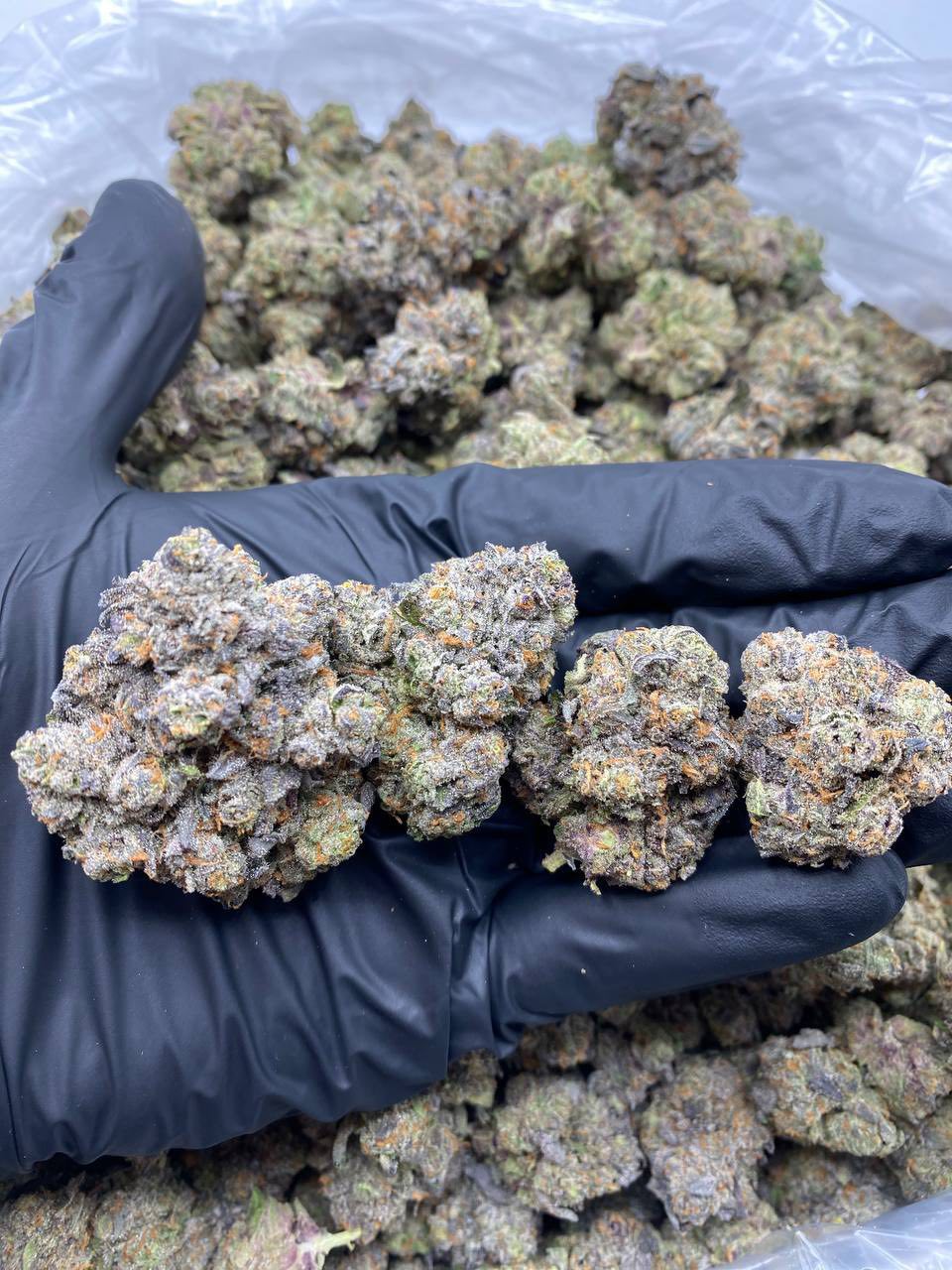
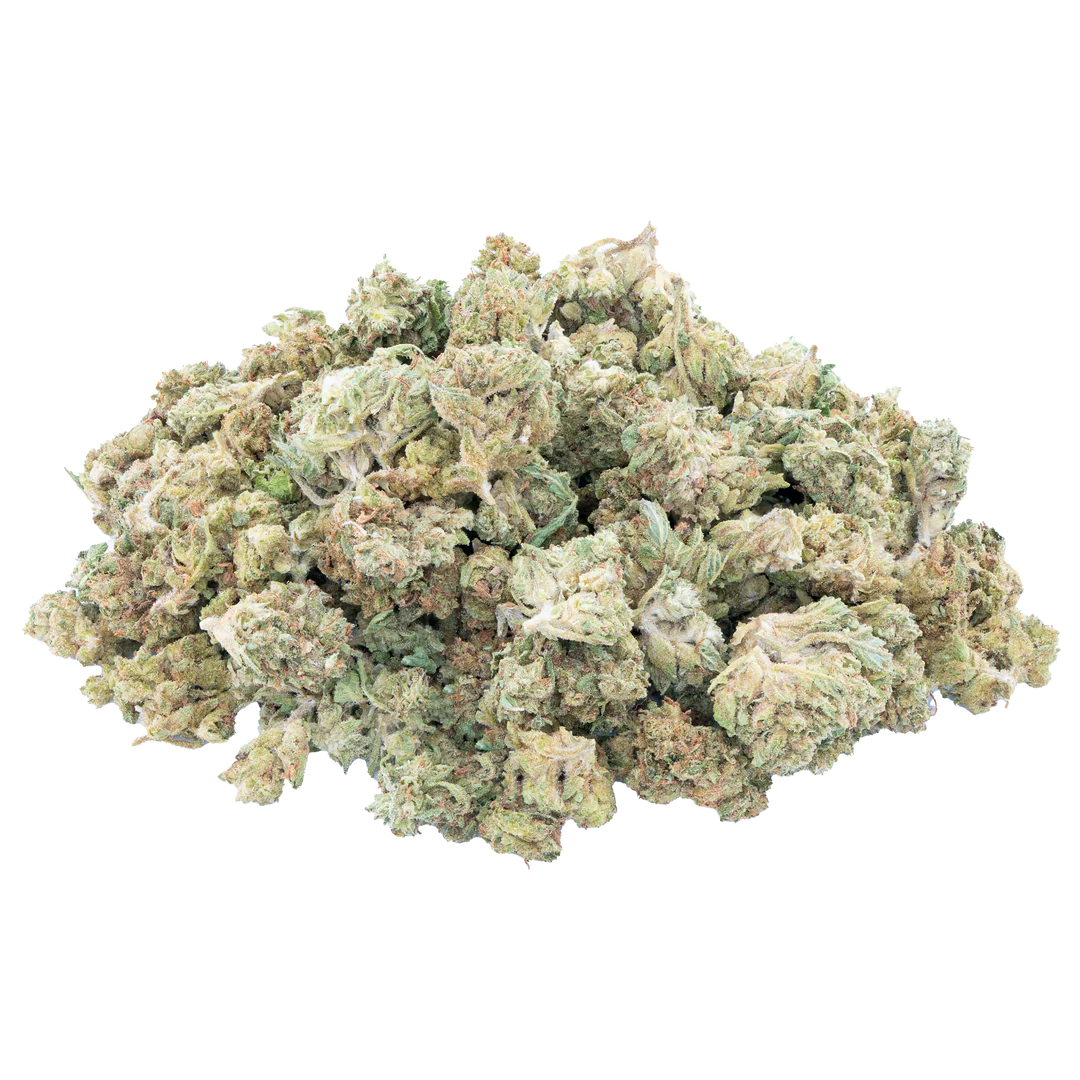
Hybrid genetics with high caryophyllene tend to be safest. Browse our Top Shelf collection and check the COA for these markers, or filter our $70 Smalls for the budget-friendly version.
Step 2: Start Smaller Than You Think
For an anxiety-prone user, one small inhale is the starting dose. Not two. Wait 20 minutes, not 10. Reassess. Most anxiety-prone people land at 2-3 small inhales total per session — anything more is overshoot territory.
Step 3: Control Your Environment
Environment is more important for anxiety-prone users than for general users. Set up:
Somewhere familiar and physically comfortable
Phone on do-not-disturb
Calm music, audiobook, or quiet TV — nothing intense
A trusted person nearby (or reachable) for the first few sessions
Water, snack, blanket — anything that compounds calm
Step 4: Have CBD on Hand
Keep CBD oil or a CBD product available. If you start to feel anxious, take 25-50mg. It dramatically reduces peak intensity within 20-30 minutes. Knowing it's there as a safety valve is itself anxiety-reducing.
Step 5: Track What Works
Anxiety responses to cannabis are highly individual. Keep a brief diary for the first month:
Strain name + cannabinoid profile
Dose (number of inhales)
Anxiety baseline before (1-10)
Anxiety 30 minutes in (1-10)
Anxiety 90 minutes in (1-10)
Notes (environment, mood, anything else)
After 6-8 sessions, the pattern is usually clear: certain strains, certain doses, and certain situations work for you. Others don't. The diary gets you to that pattern in weeks instead of months.
When THCa Is Not the Right Tool for Anxiety
Honesty section: cannabis isn't the right anxiety intervention for everyone. Cases where we suggest other approaches:
Severe panic disorder. If you have diagnosed panic disorder with frequent panic attacks, cannabis can be a trigger rather than a help. Work with a clinician first.
Chronic generalized anxiety with high baseline. Daily cannabis use for chronic anxiety can lead to dependency and tolerance, which makes anxiety harder to manage long-term. CBD-only or non-cannabis interventions are often better.
History of psychosis or bipolar disorder. THC can trigger or worsen psychosis-spectrum conditions. Avoid THCa products if you have or are at risk for these.
Pregnancy or active breastfeeding. Don't use cannabis. Period.
Concurrent SSRIs or anti-anxiety medications. Talk to your prescribing doctor first. Most cannabis-medication interactions are mild, but a few are serious.
What the Research Doesn't Tell You Yet
Cannabis research has been hamstrung by 50+ years of Schedule I status, which makes rigorous human studies difficult and expensive. We have good data on:
The biphasic dose-response of THC and anxiety
CBD's clear anxiolytic effects across multiple anxiety disorders
Specific terpene contributions to subjective experience
What we don't have great data on:
Long-term (multi-year) effects of moderate daily cannabis use on anxiety
Individual genetic variation in cannabis response
Optimal THC:CBD ratios for specific anxiety subtypes
Interactions with newer anxiety medications (especially SGAs)
Treat the protocol above as a starting framework, not a precise prescription. If anxiety is significantly impacting your life, work with a licensed mental-health clinician — cannabis can be a useful tool, but it's not a substitute for clinical care.
Where to Start
For an anxiety-friendly first order:
Pick a balanced hybrid from Top Shelf or a moderate-potency $70 Smalls. Filter the COA for caryophyllene > 0.2% and limonene present.
Order a low-dose CBD product as a safety net. If you don't already have CBD oil, add one with your THCa order.
Read our beginner dosing guide. Read it → — it covers the methodology in depth.
Plan your first session for an unstressed evening. Not before an important meeting, social event, or stressful weekend. Give yourself a low-stakes environment to find your dose.
Disclaimer: This article is educational and not medical advice. Cannabis affects individuals differently. If you have a diagnosed anxiety disorder, depression, panic disorder, or other mental health condition, consult a licensed mental-health professional before using cannabis products. THCa products are for adults 21+.
Keep reading & shop
The Best THC Strains for Sleep: Science-Backed Indica Guide (2026)
The Health Benefits of Cannabis: What the Evidence Actually Supports
Shop: Shop THCa disposables
What the writer recommends
6 hand-picked products
Further reading
Resources & References
Quick answers
Frequently asked
At low doses, yes. Research consistently shows THC (which THCa becomes when heated) reduces anxiety at low-to-moderate doses but can increase anxiety at high doses. This biphasic effect means dose precision matters more for anxiety than for any other use case. CBD, present in some THCa flower as CBDa, modulates and reduces the anxiety risk of higher THC doses.
Beta-caryophyllene (peppery, found in black pepper) binds CB2 receptors with anti-anxiety effects. Limonene (citrus) has documented anxiolytic and mood-elevating properties. Linalool (lavender) is calming. Myrcene supports relaxation without sedation at low levels. Avoid high-terpinolene or high-pinene strains if you're anxiety-prone.
Neither label is reliable on its own — focus on terpenes and CBD content. That said, balanced hybrids with high caryophyllene and limonene plus some CBDa content tend to outperform pure indicas or sativas for anxiety. Heavy sedating indicas can paradoxically increase anxiety if you don't want to be sedated.
Yes — especially at high doses, in first-time users, in anxiety-prone individuals, or with stimulating sativa strains. The 'too high' panic experience is the most common adverse effect of cannabis. The fix is usually dose adjustment, strain selection, and proper environment.
Often yes. CBD blunts the anxiety-triggering effects of high THC doses. A balanced ratio strain (1:1 THC:CBD) or supplementing low-dose THC flower with 25-50mg of separate CBD oil can substantially reduce anxiety risk while keeping the mood benefits.
Keep reading
More from the editorial
Articles in Health Care & Medical and across the WHAM Read.
 Health Care & Medical3 min
THCa vs CBD vs CBN: Which Cannabinoid for What?
THCa vs CBD vs CBN explained: THCa becomes THC when heated for a full high, CBD is non-intoxicating calm, and CBN is a mild cannabinoid popularly used for sleep (though research is still early). Compare effects, legality, and which to choose.
 Health Care & Medical4 min
THC Gummies Before Bed: What People Actually Reach For
THC gummies are one of the most common reasons people buy edibles, but the details decide whether it helps or backfires. Take it too late and you get morning fog; take too much and sleep gets shallower, not deeper. Here's the timing, the dose, and an honest read on the evidence.
 Health Care & Medical3 min
Is THC Flower Safe? Side Effects, Risks & What to Know
Is THCa flower safe? For healthy adults, lab-tested hemp THCa is about as safe as any cannabis — the effects are identical once it's heated. The real risks are overdoing the dose, buying from sellers who don't test, and using before you drive. Here's what to watch for and how to stay on the safe side.

Get 5% off + the best reads in your inbox
Join 50,000+ subscribers. One short editorial email a week — unsubscribe any time.
No spam · unsubscribe in one click