
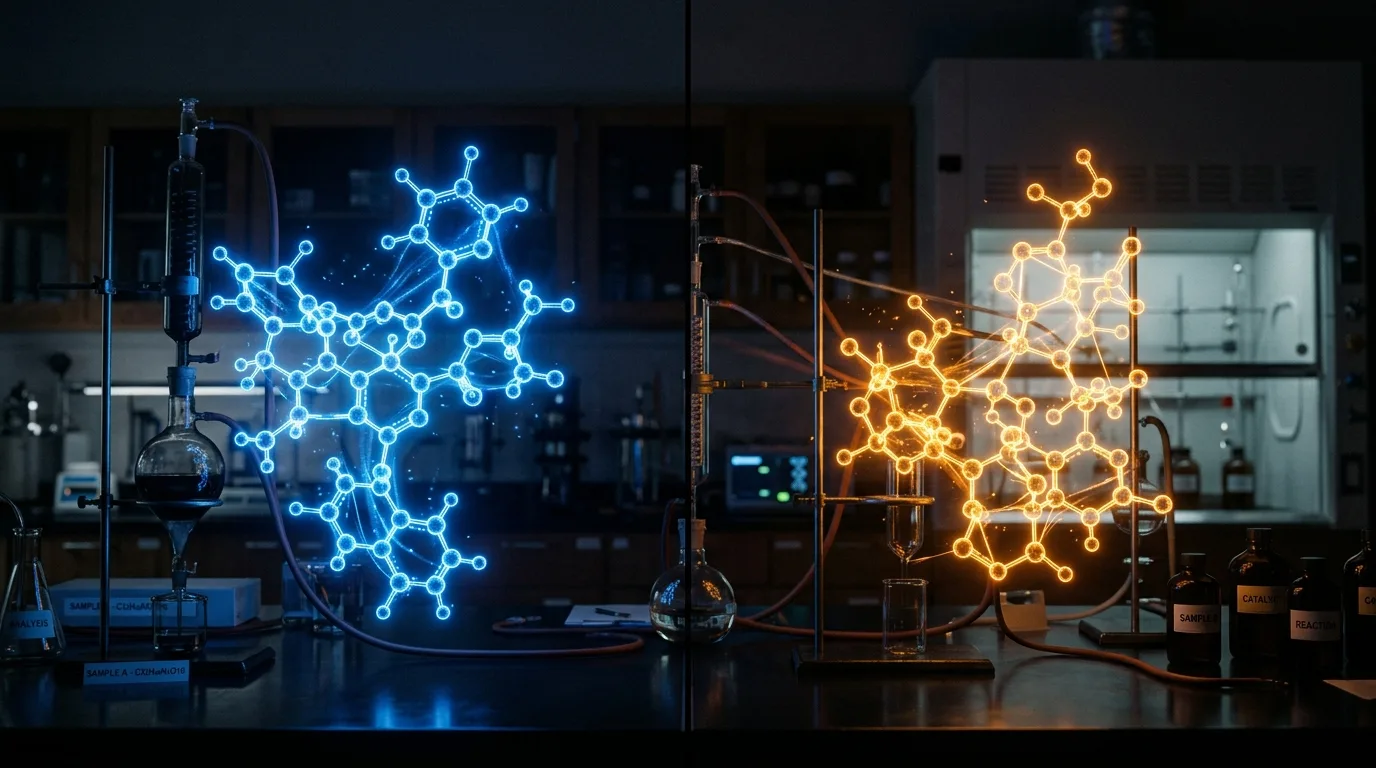
THC vs Delta-9 THC: 11 Differences Every Buyer Should Know
Same plant, two molecules — one is federally legal, the other isn't. Here's exactly what changes between THCa and Delta-9 THC, and why it matters for what you buy.
Search 'THCa vs Delta-9' and you'll find a hundred articles that read like chemistry textbooks. This isn't that. We're going to walk through 11 specific differences that actually matter when you're deciding what to buy, where to buy it, and what to expect.
Short version up top: these are two forms of the same molecule. THCa is the acid; Delta-9 THC is the active form. Heat converts one to the other. Everything else — legality, shipping, effects, drug tests, price — flows from that single chemical difference.
1. The Chemistry: One Carboxyl Group
Tetrahydrocannabinolic acid (THCa) and Delta-9-tetrahydrocannabinol (Delta-9 THC) differ by exactly one thing: a carboxyl group (–COOH). THCa is the acid; Delta-9 is the neutral form.
When you apply heat — combustion in a joint, the coil of a vape, the oven for edibles — that carboxyl group falls off as CO2 in a process called decarboxylation. The temperature threshold is around 220°F (105°C), and conversion is essentially complete by 240°F.
Decarboxylation is the only thing that separates 'legal hemp flower' from 'federally controlled marijuana.' It's the difference of one molecule and a little bit of heat.
2. Legal Status: Federal vs Schedule I
This is the headline difference for buyers:
THCa: Federally legal under the 2018 Farm Bill in raw plant form, as long as the product contains less than 0.3% Delta-9 THC by dry weight. Can be shipped via USPS to most US states. Read the full breakdown in our state-by-state legality guide.
Delta-9 THC: Federally a Schedule I controlled substance. Legal only in states with adult-use or medical marijuana programs, and only at licensed dispensaries within those states. Cannot legally cross state lines, even between two legal states.
3. Effects When Consumed
If you smoke or vape THCa flower, you are — by the time it hits your bloodstream — consuming Delta-9 THC. The decarboxylation happens at the moment of inhalation. So the felt effects are functionally identical to dispensary-grade marijuana of comparable potency.
If you consume THCa without heat — eating raw flower, juicing fresh leaves, taking a non-decarbed tincture — it does not produce intoxication. THCa doesn't bind efficiently to CB1 receptors in its acid form. Some users report subtle anti-inflammatory benefits from raw THCa, but the head-high is heat-dependent.
4. Potency Math
A common buyer question: how much Delta-9 THC do I actually get from THCa flower? The conversion is governed by simple stoichiometry — Delta-9 THC has 87.7% of the molecular weight of THCa (the carboxyl group accounts for the rest).
Quick formula: If your COA says 25% THCa, expect ~21.9% Delta-9 THC after combustion. Compare that to dispensary flower averaging 18-22% Delta-9. Top-shelf THCa flower is, by every meaningful measure, equivalent in strength to top-shelf dispensary cannabis.
5. Drug Test Implications
This catches a lot of people off-guard. Standard urinalysis tests look for THC-COOH (a metabolite of Delta-9 THC), not THCa specifically. Because smoked/vaped THCa converts to Delta-9 in your bloodstream, your body metabolizes it the same way and you will fail a drug test.
If you have any upcoming employment, military, court-ordered, or pre-employment drug screen, treat THCa flower exactly the same as you would marijuana. We have a complete drug-test guide for THCa users with detection windows and abstinence timelines.
6. Shipping & Availability
THCa flower ships through the regular postal system — USPS, UPS, FedEx — because it qualifies as hemp under federal law. Most retailers (WHAM included) use discreet packaging with no branding to make delivery seamless.
Delta-9 cannabis is locked to in-state retail. You buy it at a licensed dispensary in a legal state, and you can't legally transport it across state lines — even if both states have recreational marijuana programs. THCa is the only way to get smokable, dispensary-quality flower delivered to most US states.
7. Pricing
On a price-per-gram basis, top-shelf THCa flower is competitive with dispensary cannabis and often cheaper. Some examples from our catalog:
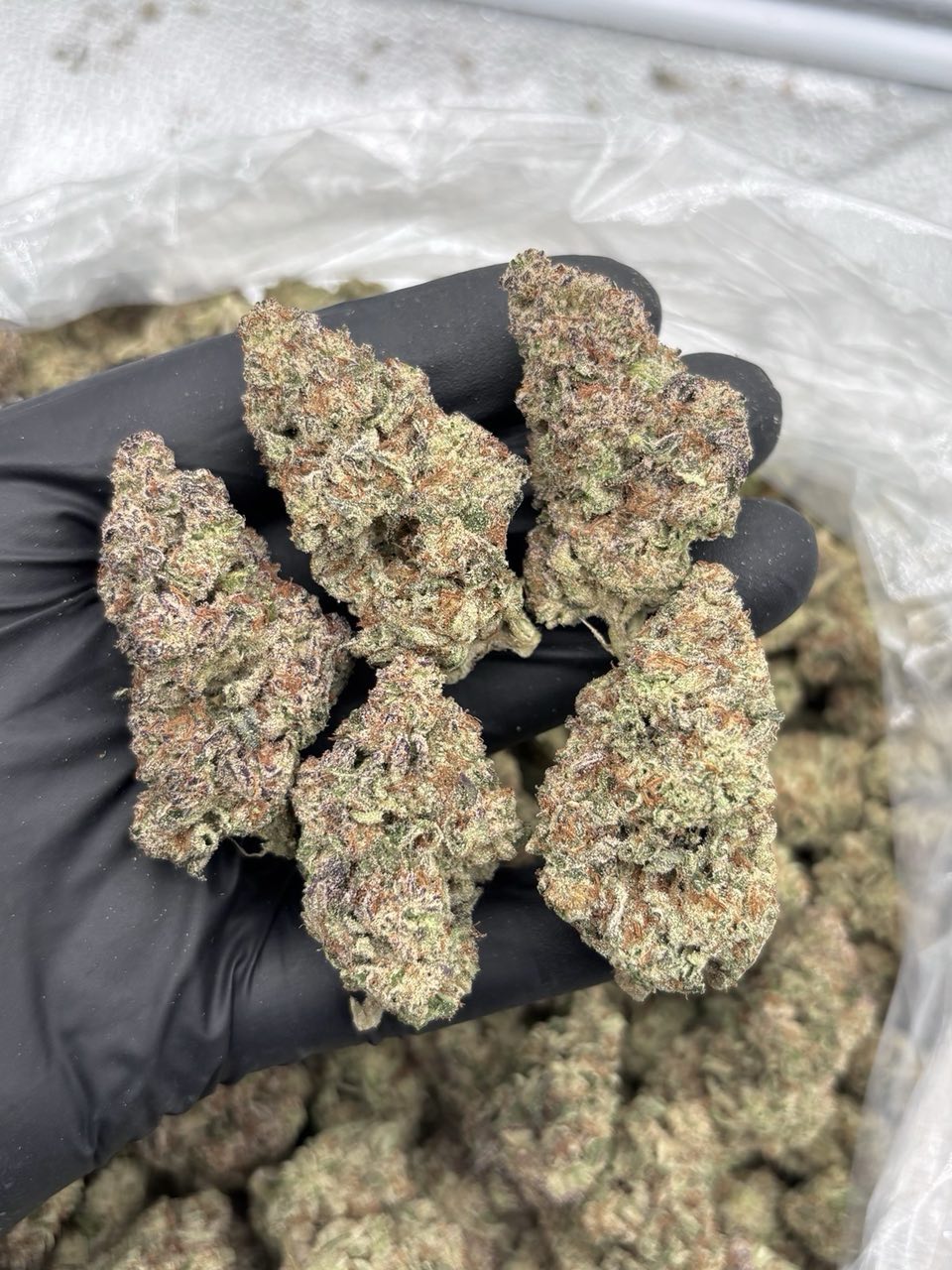
Top Shelf Fresh Drops — premium indoor, exotic strains, comparable to dispensary $40-50/eighth pricing.
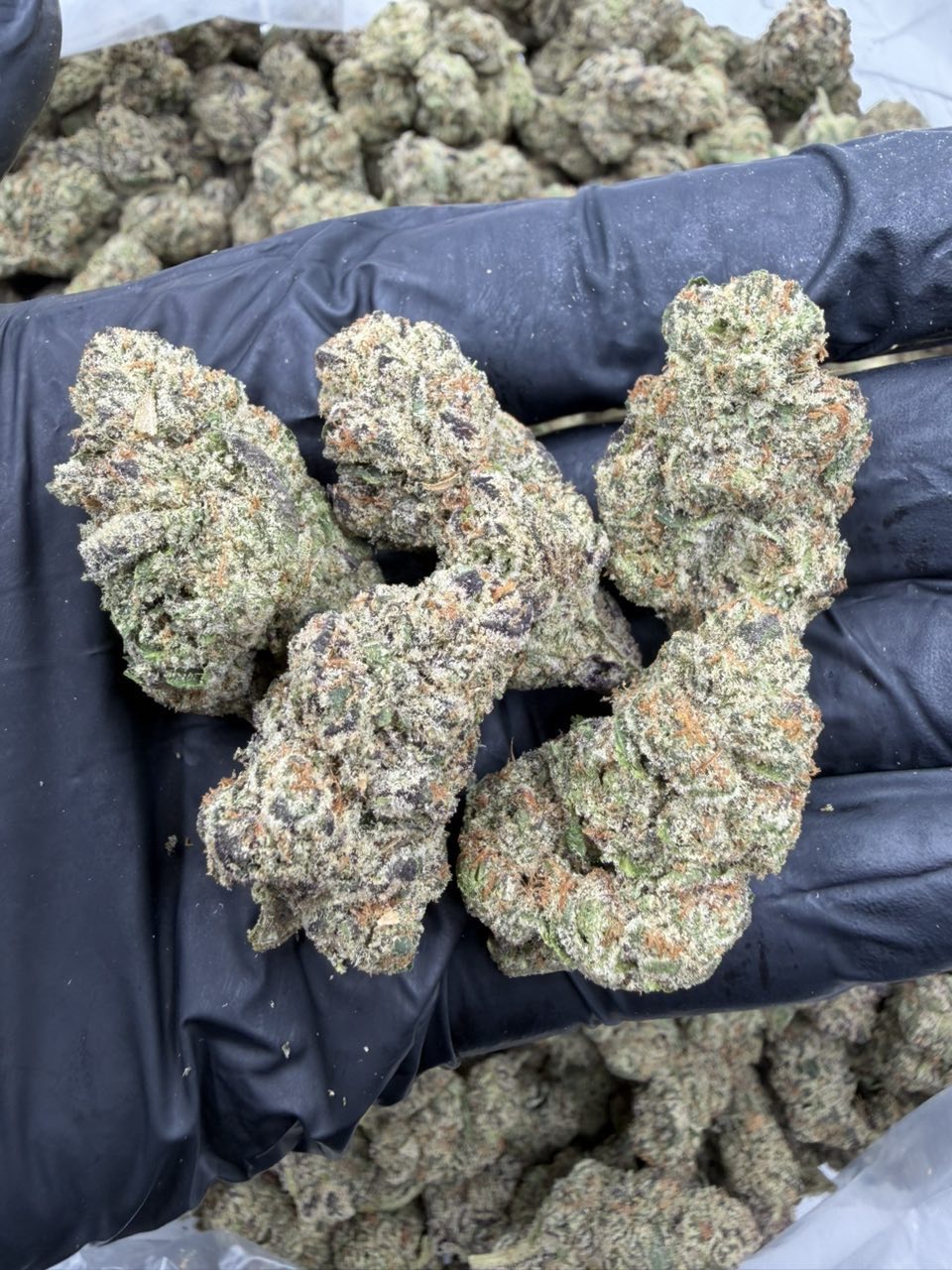
$70 Smalls — same lab-tested quality, smaller buds, $70 per ounce (versus $200-400 for an ounce at a dispensary).
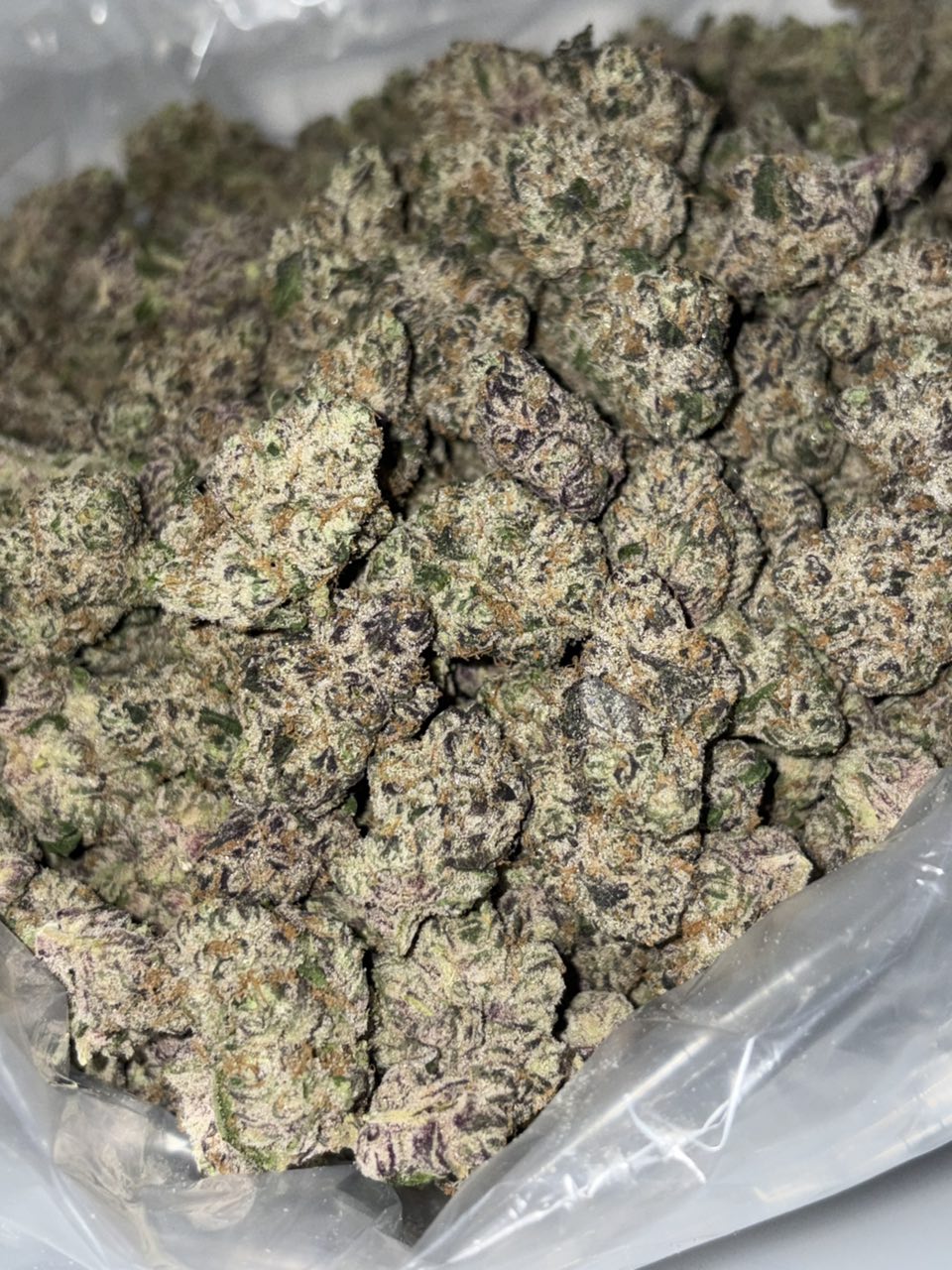
Bulk Pounds — for serious buyers, the wholesale pricing is impossible to match through licensed dispensary retail.
8. Lab Testing Requirements
Both THCa and Delta-9 products are lab-tested — but for different things. State-licensed dispensaries test Delta-9 cannabis for potency, pesticides, residual solvents, microbial contaminants, and heavy metals.
Federal hemp regulations require THCa producers to certify Delta-9 content below 0.3% via third-party Certificates of Analysis (COAs). Reputable hemp companies (us included) test for the same contaminants as state dispensaries — you can verify any WHAM batch on our Lab Tests page.
9. Variety & Selection
The legal THCa flower market is genetics-rich. Because growers aren't bound by the state-by-state regulatory patchwork of dispensary cannabis, top THCa farms have access to a broader genetic pool. Indica, sativa, hybrid, exotic crosses, vintage strains — they're all available.
The trade-off historically was that hemp flower was lower potency. That's no longer true. Modern THCa cultivation produces flower that tests at 25-30% THCa, the equivalent of ~22-26% Delta-9 — fully matching premium dispensary cannabis.
10. Form Factors
Both THCa and Delta-9 are available in multiple consumption formats:
Flower: smokable buds. Both available.
Pre-rolls: joints. Both available.
Vape carts: concentrated extract in a cartridge. Both available. THCa carts are surging — see our disposables collection.
Concentrates / dabs: ultra-high potency (60-90%+ cannabinoid content). Both available. See our extracts collection.
Edibles: tinctures, gummies, baked goods. Both available — though dosing is more critical here.
11. Tax Implications
Dispensary cannabis is taxed heavily — typically 15-37% combined state, local, and excise tax. The 280E provision of the federal tax code also prevents licensed cannabis businesses from deducting normal business expenses, which gets passed to consumers.
Hemp-derived THCa products are taxed as standard consumer goods (state sales tax only, no excise tax). That's another reason the price-per-gram on THCa often beats dispensary prices.
Side-by-Side at a Glance
If you only remember the differences that actually change your buying behavior:
Legality — THCa is federally legal hemp; Delta-9 is Schedule I outside legal states.
Shipping — THCa ships nationwide; Delta-9 doesn't cross state lines.
Effects — Once heated, identical. Both produce the same intoxication.
Drug tests — Both fail standard urinalysis. Same metabolite, same outcome.
Price — THCa typically beats dispensary prices on per-gram and per-ounce.
Variety — THCa has a broader genetic catalog with fewer regulatory barriers.
Lab testing — Both should always come with a COA. Don't buy without one.
Which Should You Choose?
If you live in a state with a legal dispensary program and you prefer the regulated experience, both work fine. Most buyers we hear from choose THCa for one of three reasons:
Geographic access. Most US states don't have legal dispensaries. THCa is the only way to get premium flower shipped to your door.
Price. Even in legal-dispensary states, hemp-derived THCa is cheaper per gram than dispensary equivalents because of tax structure.
Selection. Genetics that aren't licensed in your state's dispensary program may be available as hemp-derived THCa nationally.
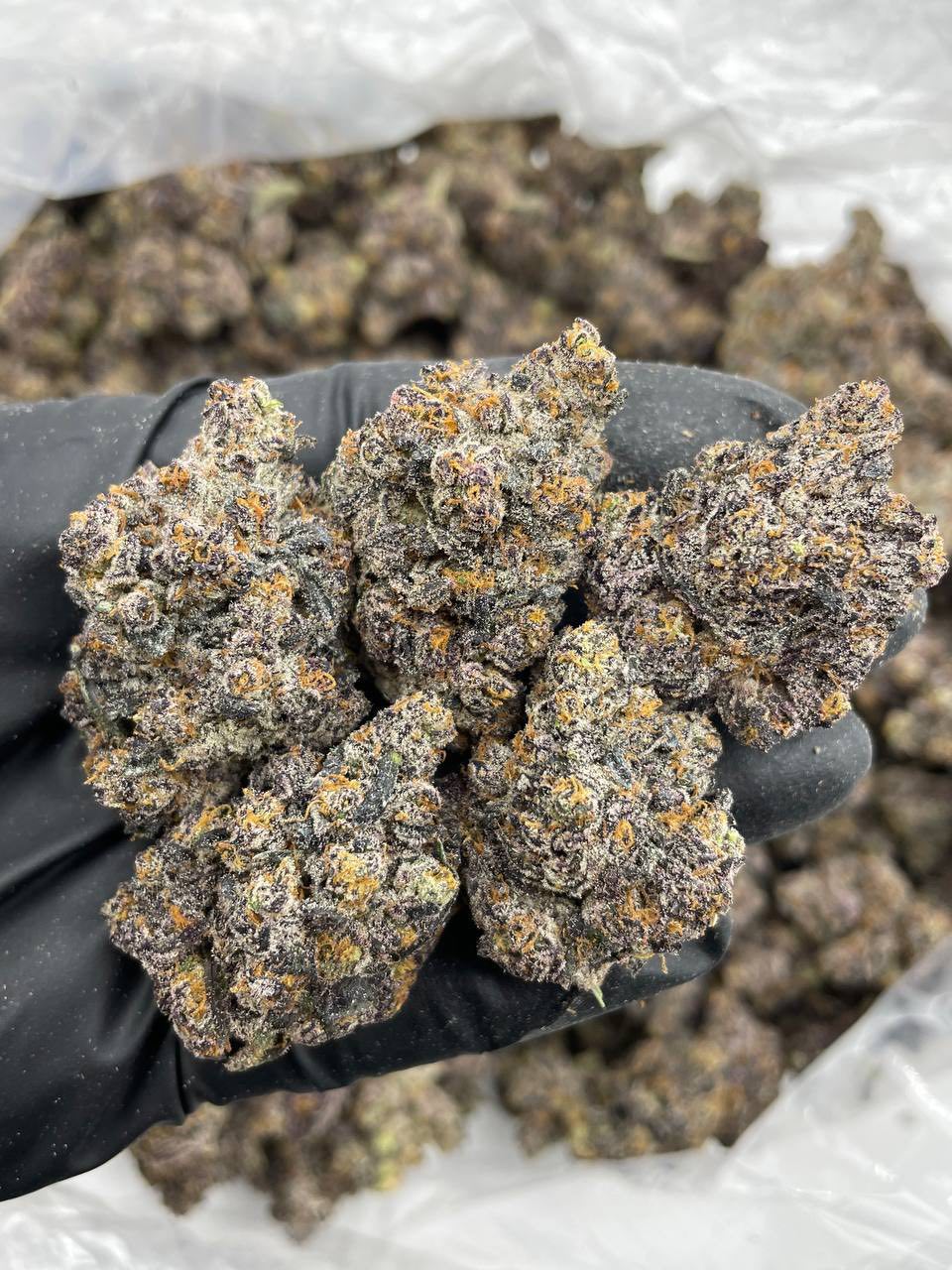
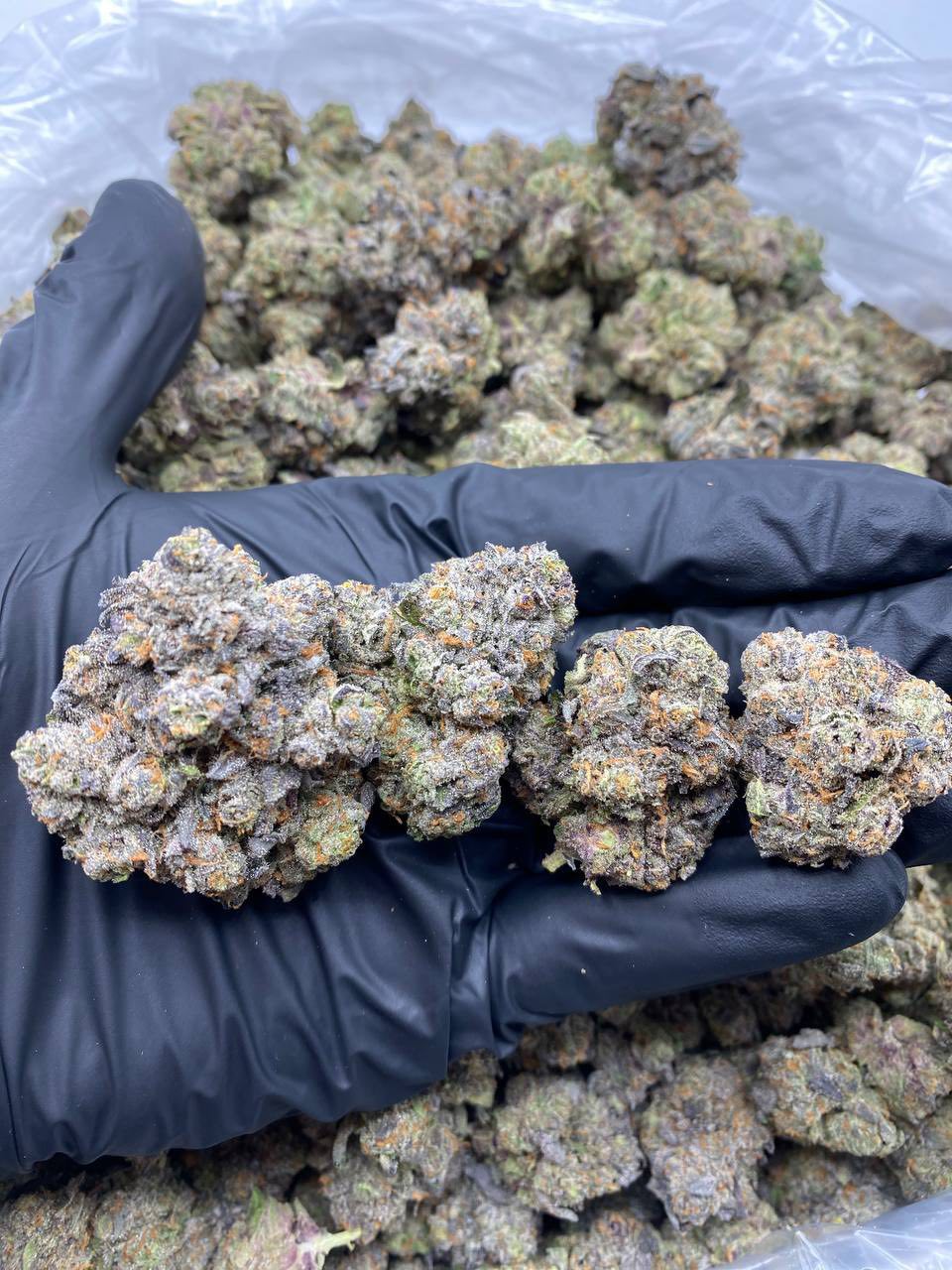
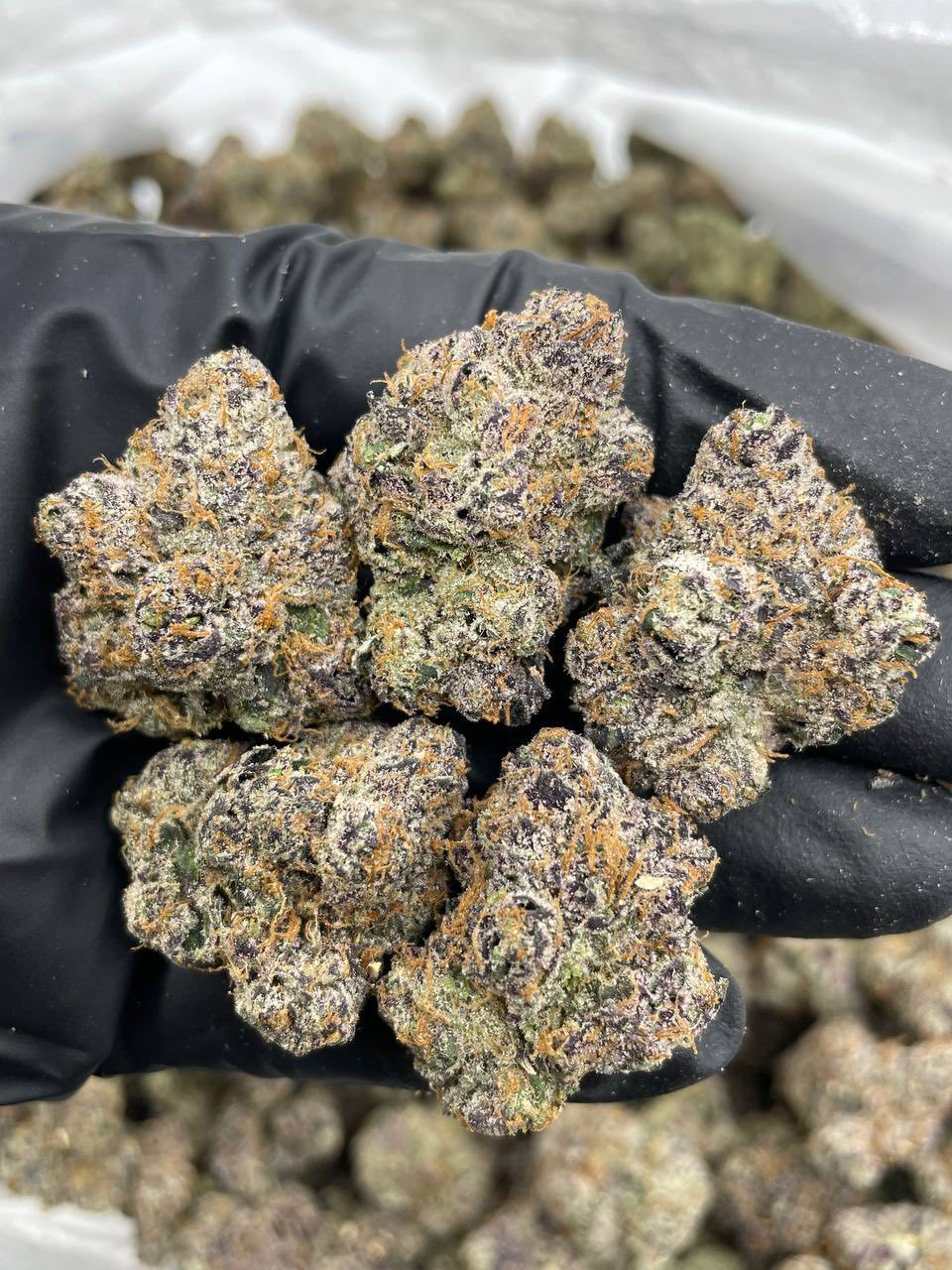
If you're ready to try it, the best place to start is our Top Shelf collection (premium quality, best representative experience) or our $70 Smalls (same quality, smaller buds, best entry price). Every batch is lab-tested and the COA is linked from the product page.
Disclaimer: This article is educational. Cannabis products are for adults 21+. Federally legal hemp products do not cross drug screens. If you're in a state with cannabis restrictions, verify local laws before ordering.
Keep reading & shop
Shop: Shop THCa flower
What the writer recommends
6 hand-picked products
Further reading
Resources & References
Quick answers
Frequently asked
Chemically, no — but they're closely related. THCa is the acid precursor of Delta-9 THC. When you heat THCa (smoking, vaping, baking), it loses a CO2 molecule and becomes Delta-9 THC. The effects when consumed are functionally the same, but the legal classification is completely different.
Yes — once heated. Smoked or vaped THCa flower delivers the same effects as smoking Delta-9 dispensary flower of comparable potency, because by the time you inhale it, it has already converted to Delta-9 THC.
The 2018 Farm Bill defines hemp by Delta-9 THC content in the raw plant (under 0.3% by dry weight). THCa flower, before heating, contains almost no Delta-9 THC — it contains THCa instead — so it qualifies as legal hemp. After heating, it becomes Delta-9 THC, but that conversion happens post-purchase, so it doesn't affect the legal classification of the product as sold.
No. Without heat, THCa doesn't bind well to the CB1 receptors that produce intoxication. Eating raw THCa flower (or juicing fresh cannabis) is non-intoxicating and is studied for its anti-inflammatory potential.
After decarboxylation (heating), THCa converts to Delta-9 THC at approximately 87.7% efficiency. So a flower that tests at 25% THCa will deliver roughly 21.9% Delta-9 THC after combustion. Both molecules at equivalent doses produce equivalent intoxication.
Keep reading
More from the editorial
Articles in Education and across the WHAM Read.
 Education2 min
How Long Does a THC High Last? (2026 Timeline)
A smoked or vaped THC high usually peaks within 10 minutes and lasts about 1–3 hours; THC edibles run 4–8 hours. This guide breaks down how long a THC high lasts by method, what changes the duration, and how to come down faster if you need to.
 Education4 min
What Are WHAM Packs? Lil Baby Weed Packs, Sizes and Prices
A WHAM pack is a quarter pound to a full pound of Lil Baby's weed, mixed with some disposables and shipped in a double-sealed, nitrogen-sealed, smell-proof packet. Here are the sizes, how the pricing works, and how to order one.
Education4 minWhat Strain Is Lil Baby's Weed? The WHAM Strains Explained
Lil Baby's weed isn't a single strain — WHAM is his brand, with around 90 flower options on the menu. Most are hybrids, with indica picks like Alien ET and sativa picks like Sour Diesel. Here are the best sellers and how to pick one.

Get 5% off + the best reads in your inbox
Join 50,000+ subscribers. One short editorial email a week — unsubscribe any time.
No spam · unsubscribe in one click