
How to Spot High-Quality THC Flower: The 7-Point Checklist Every Buyer Should Use
Bud quality varies wildly in the hemp-derived market — same strain, two different vendors, totally different product. Here's the 7-point checklist experienced buyers use to separate top-shelf from mid-shelf in under 60 seconds: trichomes, color, structure, smell, trim, moisture, and the COA.
Bud quality varies wildly in the hemp-derived THCa market. The same strain — same name on the label — can come from two different vendors and look (and smoke) like two completely different plants. One vendor's 'Wedding Cake' is dense, frosted, terpene-rich, and worth the $400 ounce. Another's 'Wedding Cake' is airy, brown, half-cured, and barely worth $150.
This guide is the 7-point checklist experienced buyers use to judge flower quality before they pay top-shelf prices. Run all seven checks in under 60 seconds. If your flower passes all seven, you're getting what you paid for. If it fails three or more, walk away.
The 7-Point Quality Checklist
1. Trichome Density — The Single Most Important Signal
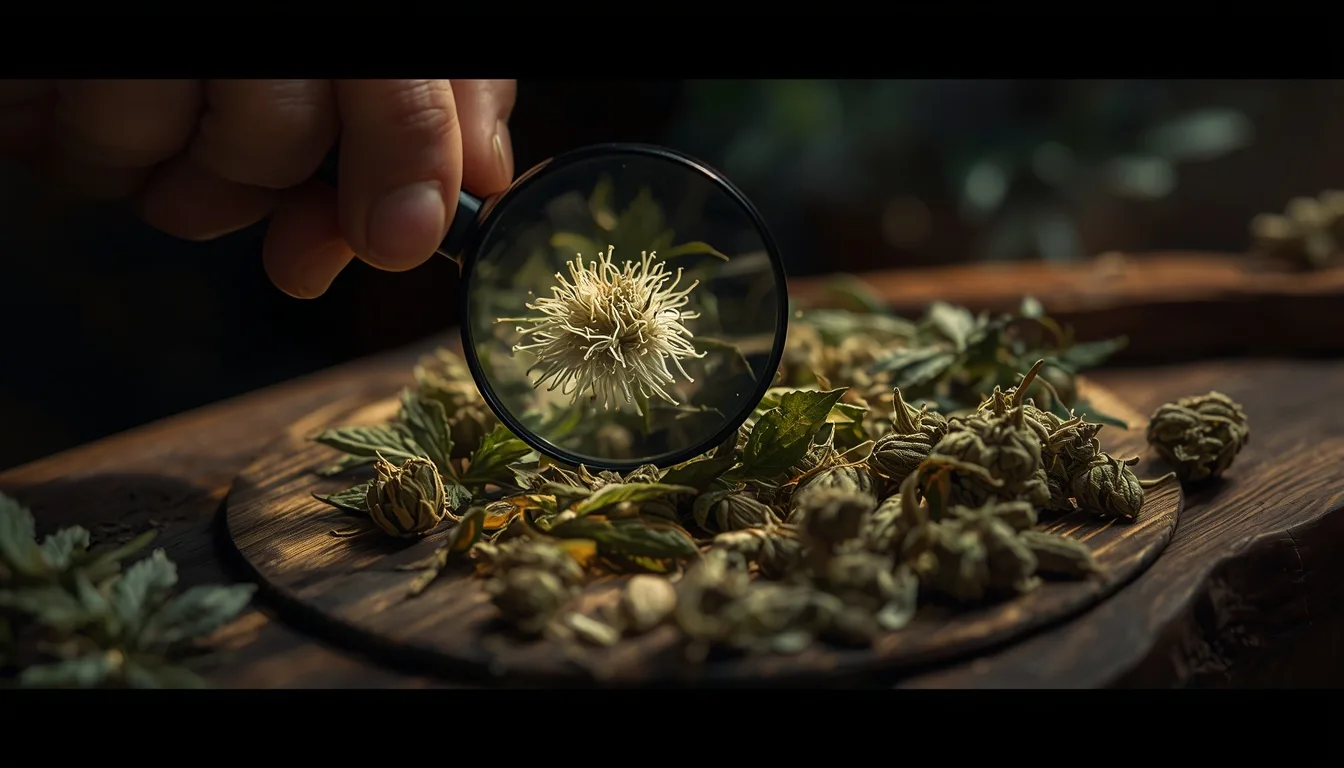
Trichomes are the tiny crystal-like resin glands on the surface of the bud. They produce the cannabinoids and terpenes — meaning trichome density directly predicts potency. The more visible trichomes, the stronger the flower.
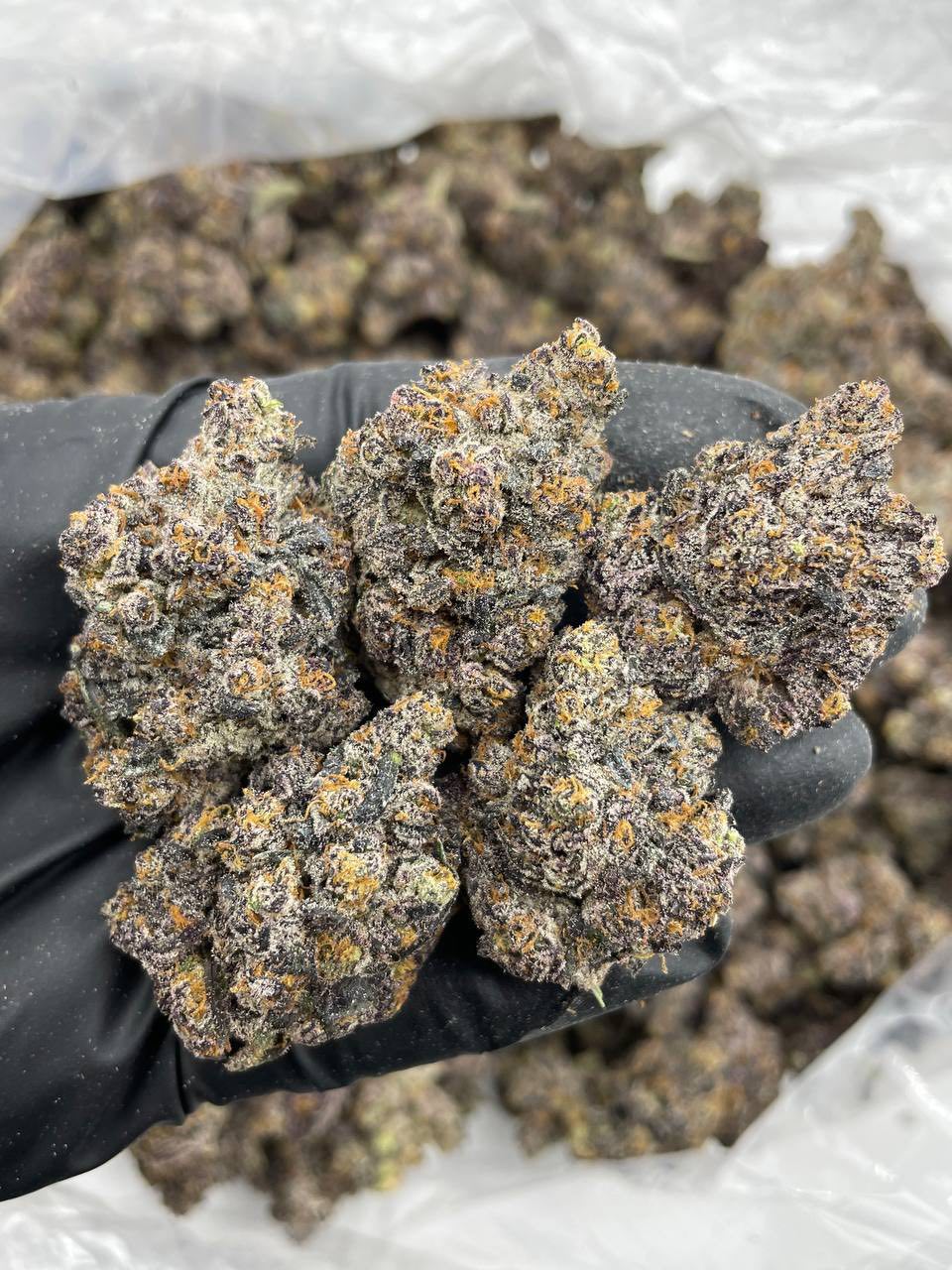
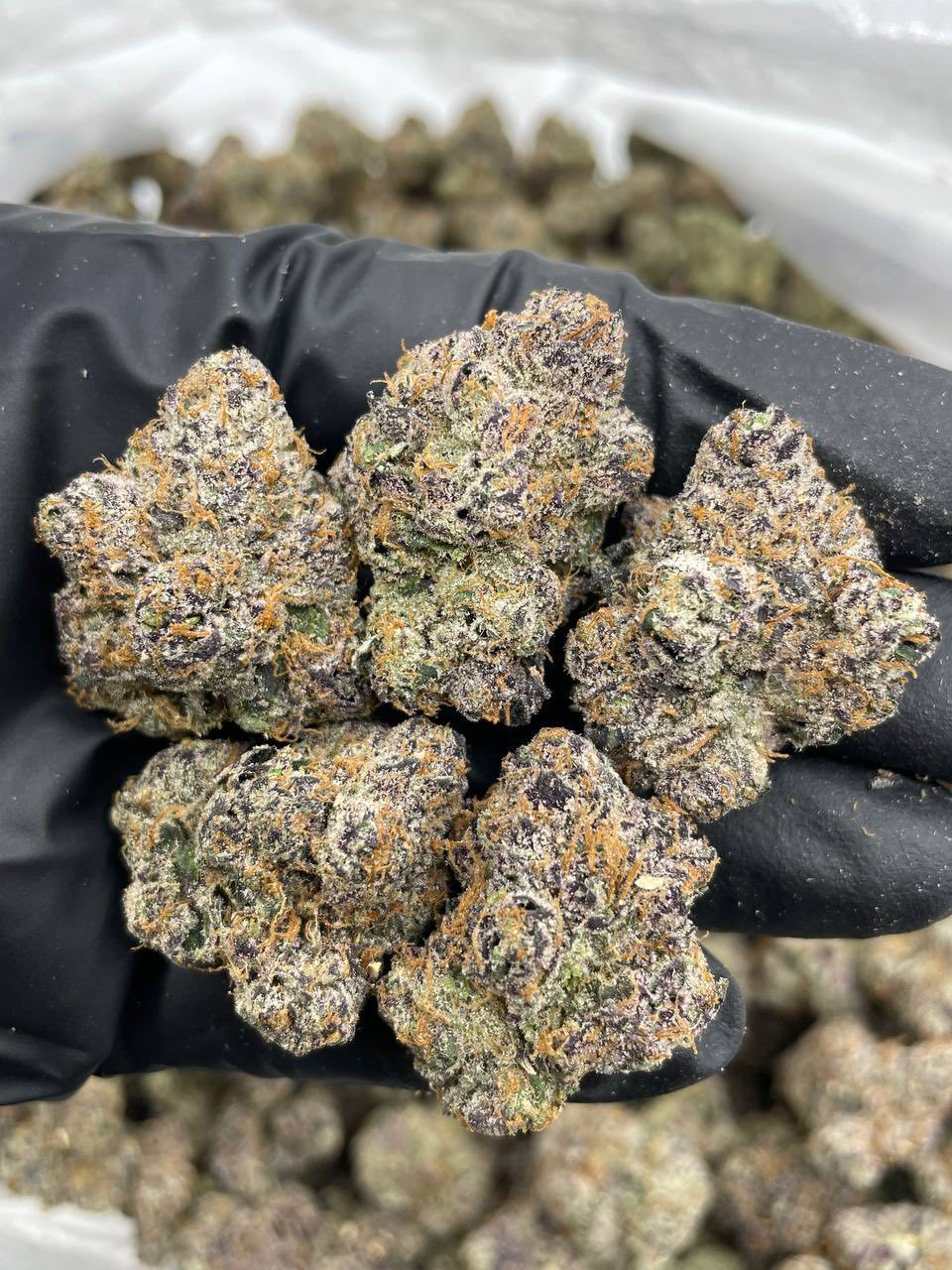
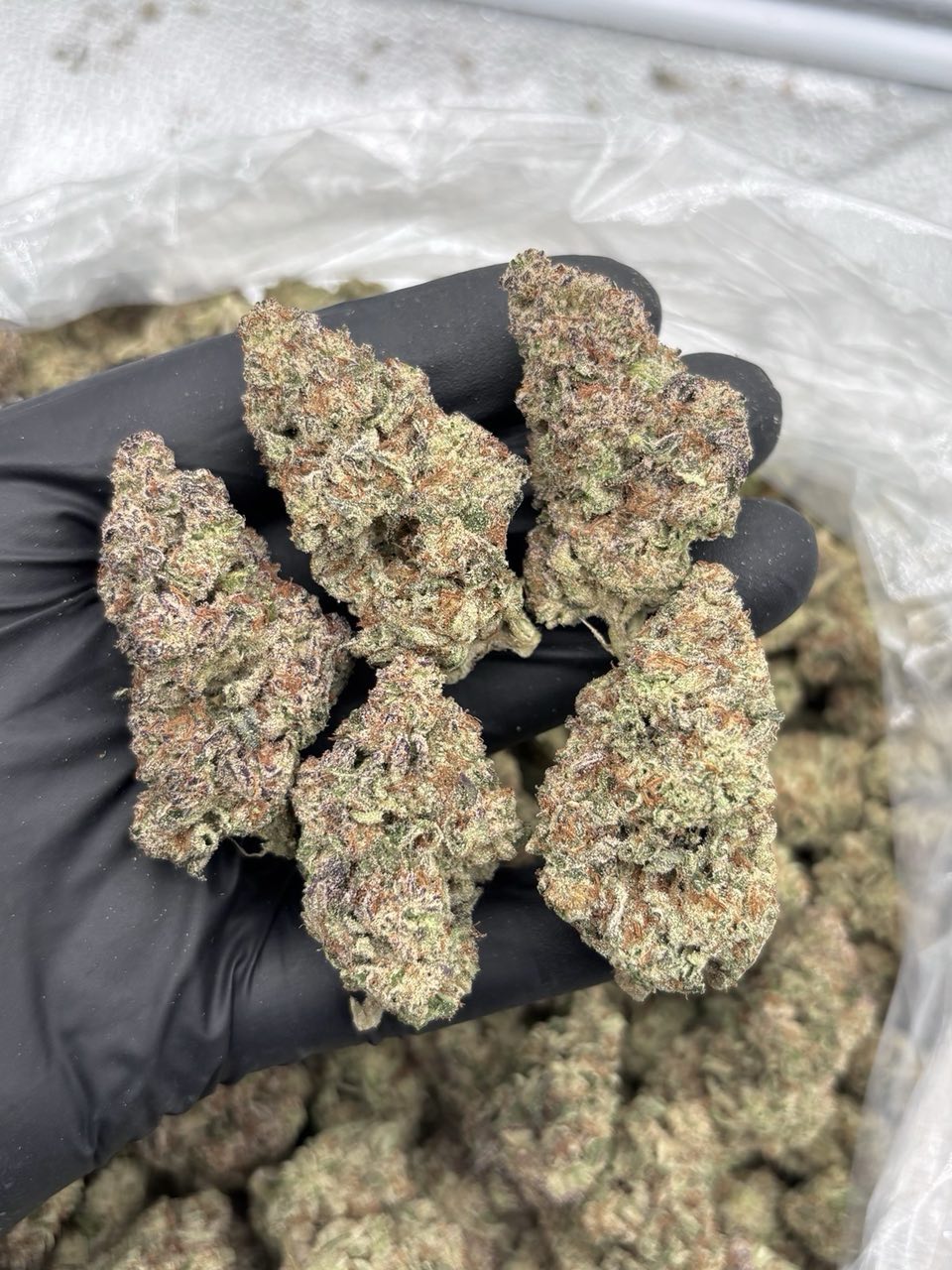
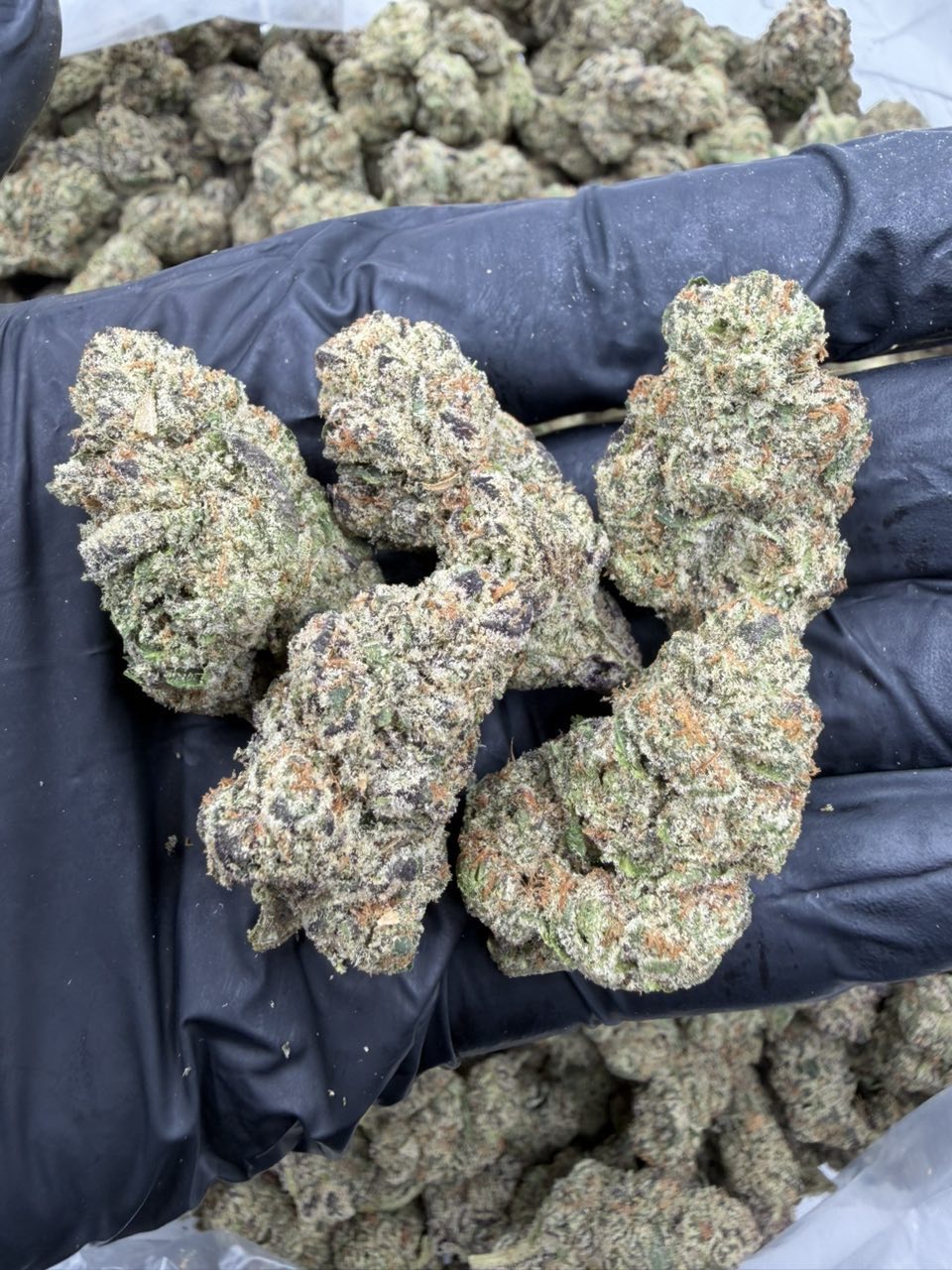
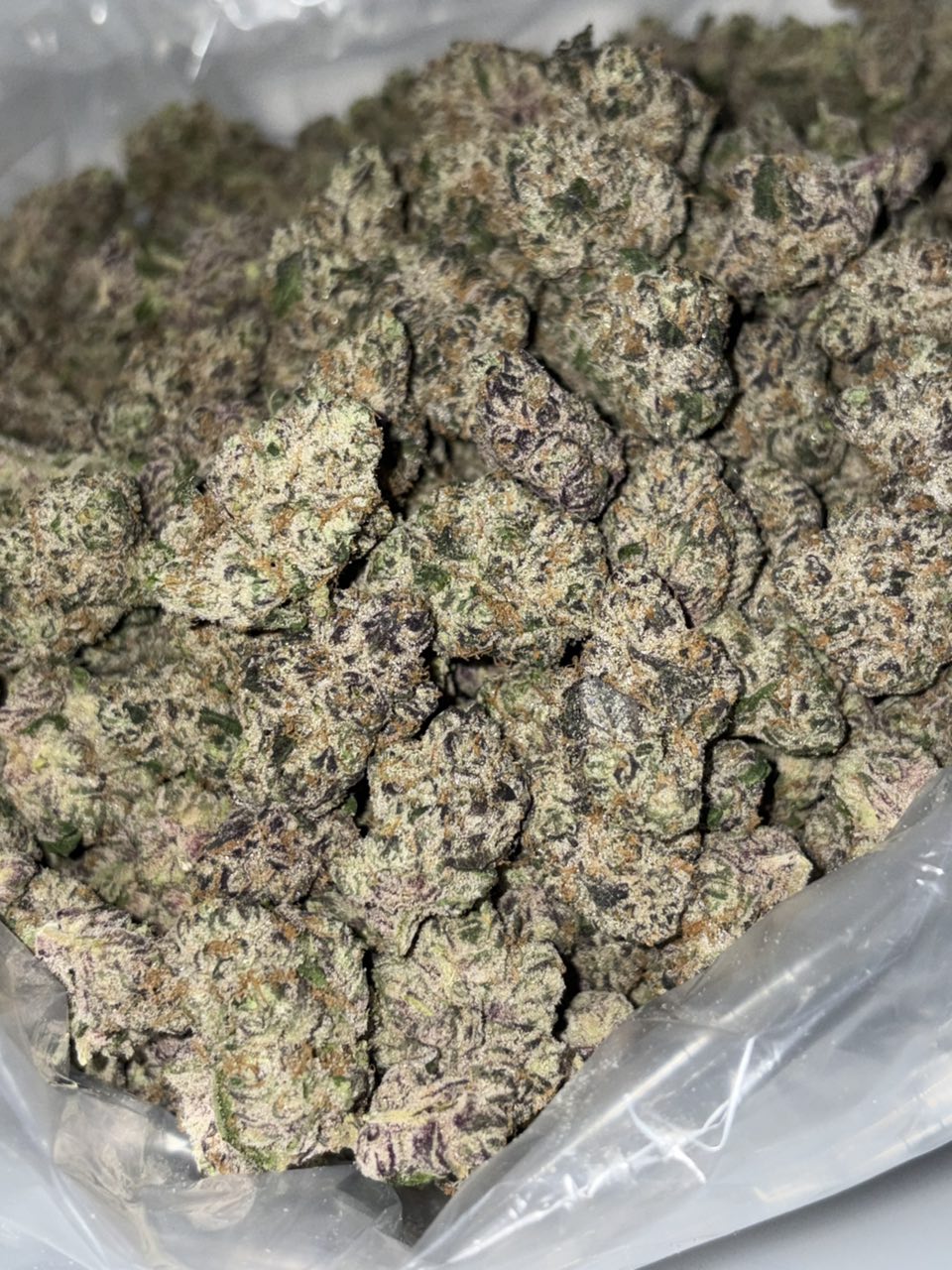
What top-shelf looks like: Heavy frost coating. The bud looks dusted with sugar or covered in tiny ice crystals. Under any light source, the trichomes catch the light and the bud glistens.
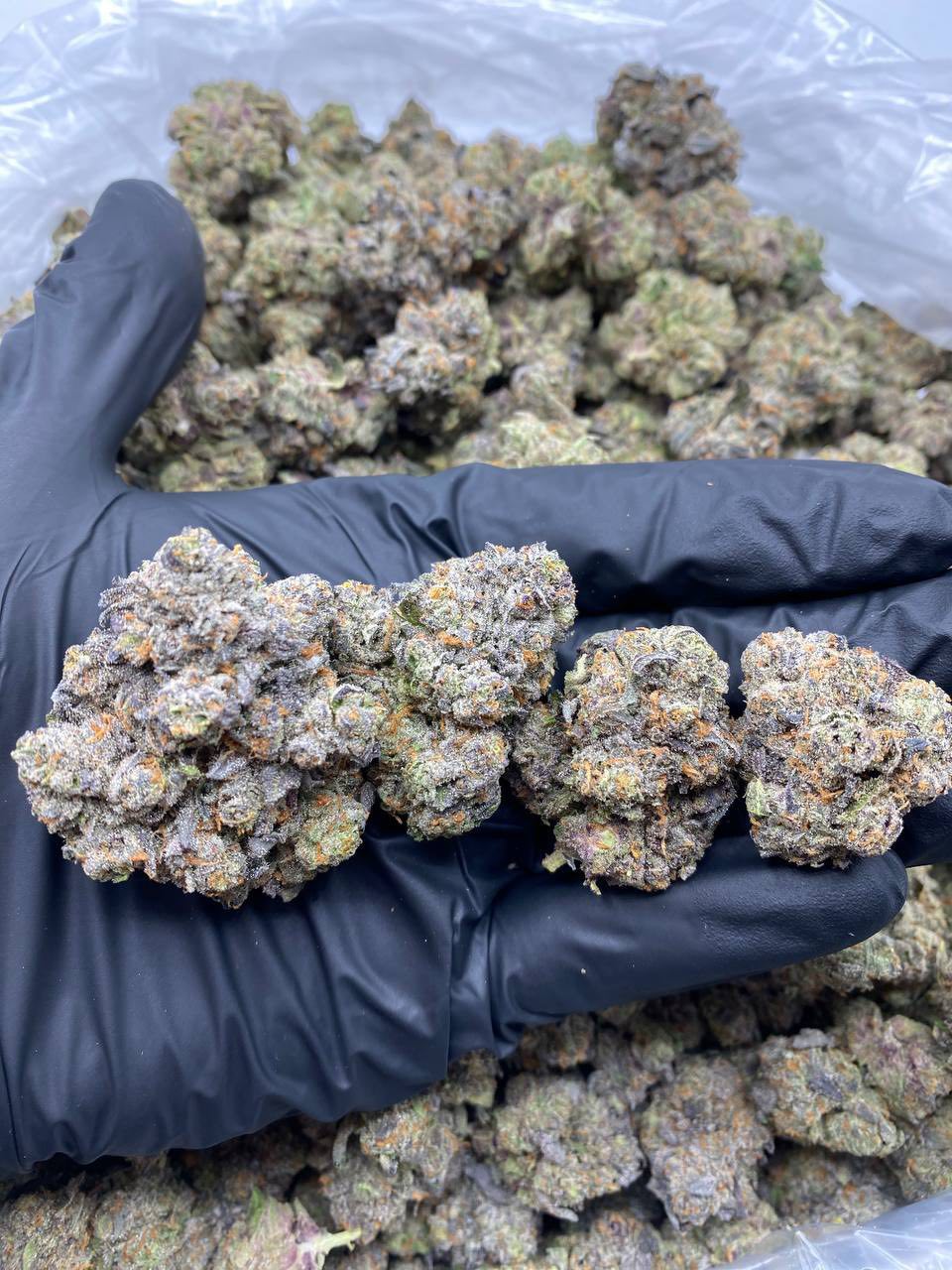
What mid-shelf looks like: Visible trichomes scattered across the surface but no coating. You can see the bud through the trichomes.
What bottom-shelf looks like: Few or no visible trichomes. The bud looks plain green without the crystalline shine.
Use a jeweler's loupe (10× magnification) for the closest look. Phone cameras zoomed in work too.
2. Color and Pigmentation
Vivid color is a quality signal. Healthy cured cannabis comes in:
Bright greens — the default. Look for vivid lime to deep forest green, not washed-out pale green.
Purple, blue, or indigo highlights — certain strains (GDP, Purple Punch, Zkittlez) express anthocyanin pigments naturally. Beautiful and quality-correlated.
Orange or amber pistils — the 'hairs' should be brightly colored. Brown or dried-out pistils suggest old flower.
Frosted white from trichome density — top-shelf flower often looks white-grey from the trichome coating.
Walk away from: Brown patches (degradation), grey or fuzzy white spots (mold), uniform yellow or tan (over-cured or old), bleached white (light damage or chlorine bleaching).
3. Bud Structure and Density
Squeeze the bud gently between your fingers. Quality flower has a specific feel.
Top-shelf indica-leaning: Dense, tightly packed, spongy. The bud compresses slightly under pressure and springs back. Heavy for its size.
Top-shelf sativa-leaning: Slightly less dense than indica (sativa structure is naturally airier) but still has cohesion. Should hold its shape when squeezed.
Warning signs: Rock-hard (over-compressed, possibly damaged trichomes), airy and crumbly (low-quality genetics or poor cure), brick-hard (cheap commercial bulk flower).
4. Smell
Break a small piece of bud apart and smell it. Top-shelf flower releases a strong, complex terpene profile when broken — the terpenes are concentrated in the trichomes and get released by handling.
Look for: Strain-characteristic aromas. Wedding Cake should smell like vanilla and earth. Sour Diesel should smell like fuel and citrus. Gelato should smell like sweet, creamy berries. The specific smell matters less than the intensity and complexity.
Walk away from: Hay or grass smell (poor curing), no smell at all (old flower, terpenes have degraded), ammonia smell (mold or bacterial growth — dangerous, do not smoke), musty basement smell (poor storage).
The nose test is the single fastest way to tell if a vendor knows what they're doing. Take a sniff, break a piece, take another sniff. If you can't tell the strain apart from generic flower by smell alone, you're not buying top-shelf.
5. Trim Quality
Trim is the process of removing the leaves from the bud after harvest. Quality trim is a labor-intensive process that distinguishes premium flower from commodity flower.
Hand-trimmed (top-shelf): Clean bud with minimal leaf, intact trichomes, no sugar leaves sticking out. You're paying for the labor.
Machine-trimmed (mid-shelf): Acceptable trim but more uniform/aggressive than hand-trimming. Some trichome damage. Most commercial flower is machine-trimmed.
Walk away from: Visible stems, seeds, or large fan leaves. Stems poke through papers when rolled. Seeds pop when burned. Both are signs of corner-cutting at harvest.
6. Moisture and Cure
Properly cured flower has a specific moisture content — around 10–12% water content. This is the 'snap test':
Snap a small stem from the bud. Top-shelf flower stems snap cleanly with a slight resistance. Too-dry flower stems break with no resistance and crumble. Too-moist flower stems bend without snapping.
Touch test: Squeeze the bud. It should feel slightly springy and have minimal sticky residue. Bone-dry flower crumbles to dust. Wet flower leaves resin on your fingers and is at mold risk.
See our how to store THCa flower guide for the moisture-management protocols that keep flower at peak after you've bought it.
7. The Certificate of Analysis (COA)
Every legitimate hemp-derived THCa product comes with a third-party lab certificate (COA). This document is your single most important quality signal — it's the verifiable, objective data about what you're buying.
What a COA Should Show
Total THCa percentage — typically 18–28% for premium flower. Below 15% is mid-shelf at best.
Delta-9 THC level — must be below 0.3% by dry weight for federal hemp compliance.
Other cannabinoids — CBG, CBN, CBC presence indicates full-spectrum quality.
Terpene profile — top-shelf flower typically lists 2–4% total terpenes. The dominant terpenes confirm the strain identity.
Pesticide screen — pass on every pesticide tested.
Heavy metal screen — pass on lead, arsenic, cadmium, mercury.
Microbial screen — pass on mold, yeast, E. coli, salmonella.
Lab name and date — recent (within 12 months) and from a legitimate third-party lab.
COA Red Flags
No COA provided or only available on request
COA from a lab you can't verify exists
COA dated more than 12 months ago
COA for a different batch number than the product
Missing pesticide, heavy metal, or microbial screens
Failed any safety screen
THCa percentage that doesn't match what's advertised
Our COAs are linked from every product page and centralized at our Lab Tests directory. Every batch, every test, transparent and verifiable.
Quick Quality Tier Reference
Top-Shelf ($300–$500/oz wholesale equivalents)
Heavy trichome frost
Vivid color with strain-characteristic pigments
Dense but spongy bud structure
Strong, complex terpene smell
Hand-trimmed, clean bud
Proper moisture (10–12%)
COA shows 22%+ THCa, 2%+ terpenes, passes all safety screens
Mid-Shelf ($150–$250/oz wholesale equivalents)
Visible but not heavy trichomes
Decent green color, less pigmentation
Acceptable structure
Moderate smell, possibly less complex
Machine-trimmed, possible minor leaf
Moisture may be slightly off
COA shows 18–22% THCa, passes safety screens
Bottom-Shelf ($70–$150/oz wholesale equivalents)
Few trichomes visible
Washed-out color or off-green
Airy or overly dense structure
Weak or hay-like smell
Visible stems, leaves, possibly seeds
Moisture problems likely
COA shows 15–18% THCa or unavailable
Our $70 Smalls collection sits in the mid-shelf range at bottom-shelf pricing — same genetics as our top-shelf catalog at a fraction of the price because they're smaller buds, not lower quality.
The 60-Second Quality Test
When buying online, you can't always do the full physical check before purchase — but you can do most of it. Quick framework:
Look at the product photos. Trichome frost should be visible. Color should be vivid. Look for stems and leaf in the bud.
Check the COA. THCa percentage, terpene percentage, safety screens. If no COA is linked, the vendor is hiding something.
Read user reviews of the specific strain. Patterns in 20+ reviews are more reliable than vendor marketing copy.
Check the vendor's reputation. How long have they been operating? Are there forum complaints? Do they answer customer questions publicly?
When the bud arrives — do the in-hand checks. Trichomes, color, structure, smell, trim, moisture. Five seconds each.
If anything fails the test, complain immediately. Quality vendors will refund or replace. Sketchy vendors will stonewall.
Why Quality Matters Beyond Price
It's tempting to chase the cheapest THCa available, but quality has compounding benefits:
Higher potency = smaller dose = longer-lasting supply. Top-shelf 24% THCa flower goes 30% further than mid-shelf 18% flower.
Better terpene profile = better effects. Quality flower's terpenes shape the high in ways generic flower can't replicate.
Cleaner smoke = safer use. Properly cured, lab-tested flower has fewer combustion byproducts and zero contamination.
Better flavor = better experience. Quality flower tastes like the strain. Generic flower tastes like burnt grass regardless of name.
Less waste. Quality flower is properly trimmed — you're paying for usable bud, not stems and leaf weight.
Where Quality Lives in Our Catalog
Top-shelf, fresh-drop strains: Top Shelf Fresh Drops — weekly rotation, hand-trimmed, full terpene profiles.
Value-tier with same genetics: $70 Smalls — same lab-tested flower, smaller buds, fraction of the cost.
Bulk quantities: Pound deals — vacuum-sealed quality flower for shop owners, regular smokers, or bulk gifting.
Every batch's COA is linked from the product page and the Lab Tests directory. Verify before you buy.
Related Reading
How to Store THCa Flower — keep what you bought at peak.
Indoor vs Greenhouse vs Outdoor — where growing environment fits the quality picture.
Best Tasting Exotic Strains — the flavor end of the quality spectrum.
Sativa vs Indica vs Hybrid — for understanding the strain framework.
Disclaimer: This article describes quality indicators for hemp-derived THCa flower. Quality is one factor among many in choosing cannabis products. WHAM products are for adults 21+ in states where hemp-derived THCa is legal. Always verify the COA before purchasing premium flower from any vendor.
Keep reading & shop
Shop: Shop THCa flower
What the writer recommends
6 hand-picked products
Further reading
Resources & References
Quick answers
Frequently asked
Visible trichomes that look like sugar or frost coating the bud. Vivid green color (sometimes with purple, blue, or orange highlights). Dense but spongy structure — not airy, not brick-hard. Bright orange or amber pistils (the 'hairs'). Strong terpene smell when broken apart. Clean trim — no leaf, no stems, no seeds.
Mostly yes, with caveats. Quality vendors lab-test every batch and publish the COA (certificate of analysis). Sketchy vendors quote percentages without testing, or test once and reuse the result for unrelated batches. Always ask for the COA before buying premium flower.
Not necessarily. Some strains naturally express purple or near-black coloration (Granddaddy Purple, Purple Punch). True warning signs are brown, yellow, or grey patches — those indicate degradation, mold, or aging, not strain genetics.
Hay or grass-like smell usually means the flower was poorly cured. Proper curing develops the terpene profile (citrus, gas, sweet, floral aromas depending on strain). A 'hay' smell means corners were cut on drying and curing — the flower will smoke harshly and taste flat.
Slightly sticky, yes — that's the resin from intact trichomes. But the bud should still break apart cleanly when you squeeze it. If it crumbles to dust → too dry. If it leaves wet residue on your fingers → too moist, mold risk.
Keep reading
More from the editorial
Articles in Education and across the WHAM Read.
 Education2 min
How Long Does a THC High Last? (2026 Timeline)
A smoked or vaped THC high usually peaks within 10 minutes and lasts about 1–3 hours; THC edibles run 4–8 hours. This guide breaks down how long a THC high lasts by method, what changes the duration, and how to come down faster if you need to.
 Education4 min
What Are WHAM Packs? Lil Baby Weed Packs, Sizes and Prices
A WHAM pack is a quarter pound to a full pound of Lil Baby's weed, mixed with some disposables and shipped in a double-sealed, nitrogen-sealed, smell-proof packet. Here are the sizes, how the pricing works, and how to order one.
Education4 minWhat Strain Is Lil Baby's Weed? The WHAM Strains Explained
Lil Baby's weed isn't a single strain — WHAM is his brand, with around 90 flower options on the menu. Most are hybrids, with indica picks like Alien ET and sativa picks like Sour Diesel. Here are the best sellers and how to pick one.

Get 5% off + the best reads in your inbox
Join 50,000+ subscribers. One short editorial email a week — unsubscribe any time.
No spam · unsubscribe in one click