
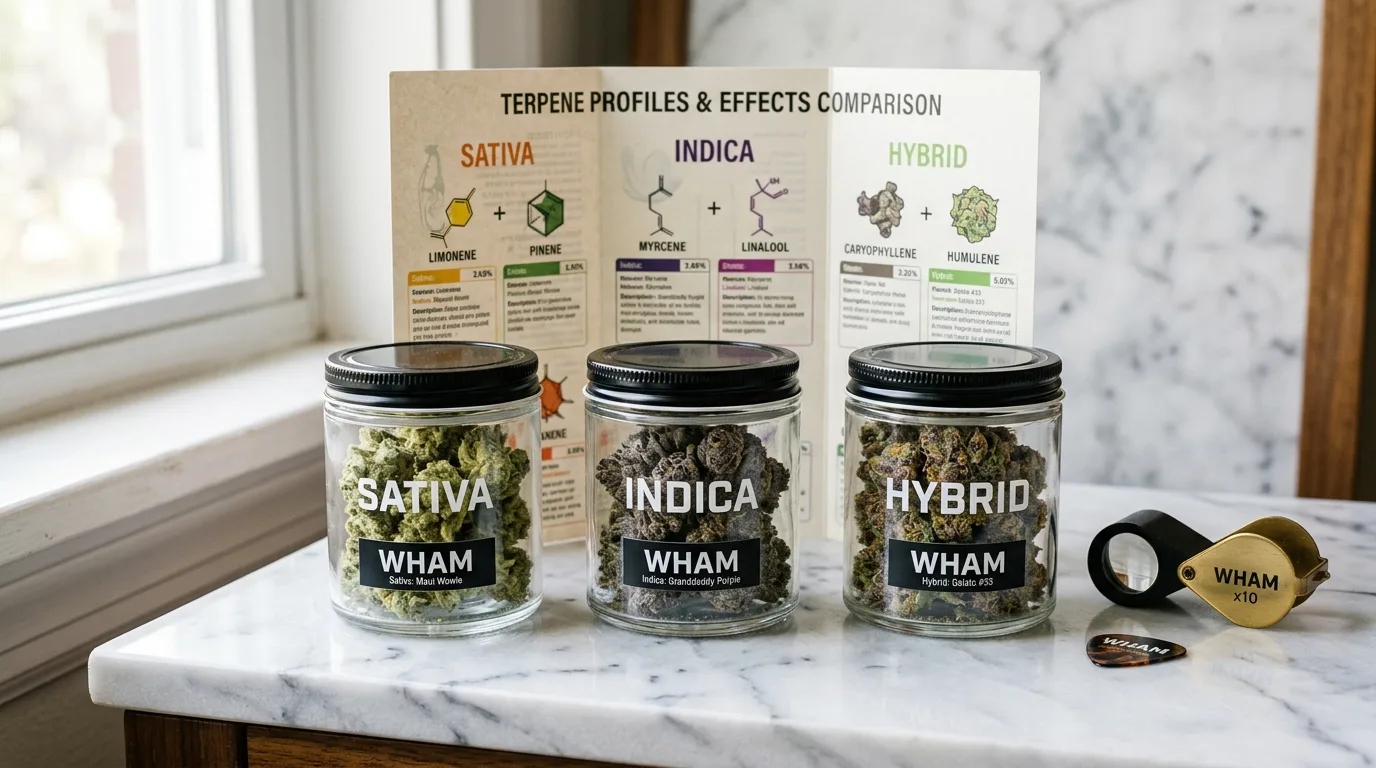
Sativa vs Indica vs Hybrid: What the Labels Actually Mean (And Why They Lie Half the Time)
Indica means couch-lock, sativa means energy, hybrid means somewhere in the middle — that's the bumper-sticker version, and it's wrong often enough that experienced users have started ignoring it entirely. Here's what the labels were supposed to mean, what they mean now, and the better way to pick a strain.
The sativa/indica/hybrid split is the most widely repeated piece of cannabis folk-knowledge: indica = couch-lock, sativa = energy, hybrid = somewhere in between. Walk into any dispensary and the menu will be organized this way. Ask a budtender for a recommendation and they'll ask which of the three you're in the mood for.
And it's wrong often enough that experienced users have started ignoring it entirely. Bruce Banner is sold everywhere as a sativa but lab-tests as indica-dominant. Northern Lights is famous for couch-lock but produces sativa-like effects in plenty of users. Most modern strains are hybrids so muddled that the original indica/sativa distinction barely applies at all.
This is the pillar guide. It covers what the labels originally meant, why they only work some of the time today, the framework experienced users have moved to instead, and how to actually pick a strain that'll feel the way you want it to feel.
Where the Labels Came From
Cannabis taxonomy started in 1753 when Carl Linnaeus catalogued the plant as Cannabis sativa. In 1785, Jean-Baptiste Lamarck identified a second variety from India and called it Cannabis indica. The distinction was originally botanical — plant morphology, not effect.
Sativa Plant
Tall (up to 12 feet), thin leaves, long flowering cycle (10–16 weeks), originated in equatorial regions (Mexico, Thailand, Colombia, Africa). The plants needed to thrive in long, warm growing seasons.
Indica Plant
Short (3–6 feet), broad leaves, fast flowering cycle (6–8 weeks), originated in the Hindu Kush mountains of Central Asia (Afghanistan, Pakistan, India). The compact form and short cycle suited harsher mountain climates.
The Effects Mapping Was Anecdotal
When cannabis arrived in the West in the mid-20th century, growers and users noticed that the short, broad-leafed indica plants tended to produce heavier-bodied highs while the tall, narrow-leafed sativa plants tended to produce more cerebral highs. This mapping was always loose, never precise. It worked well enough that the labels stuck, but the underlying chemistry was never properly studied.
Indica vs sativa is what people called landraces in the 1960s. It made sense then because the plants were genetically pure. Today, every popular strain is a hybrid of hybrids — the original labels are like calling every dog either a 'big dog' or 'small dog' and ignoring the breed.
Why the Labels Break Down Today
Almost Everything Is Hybridized
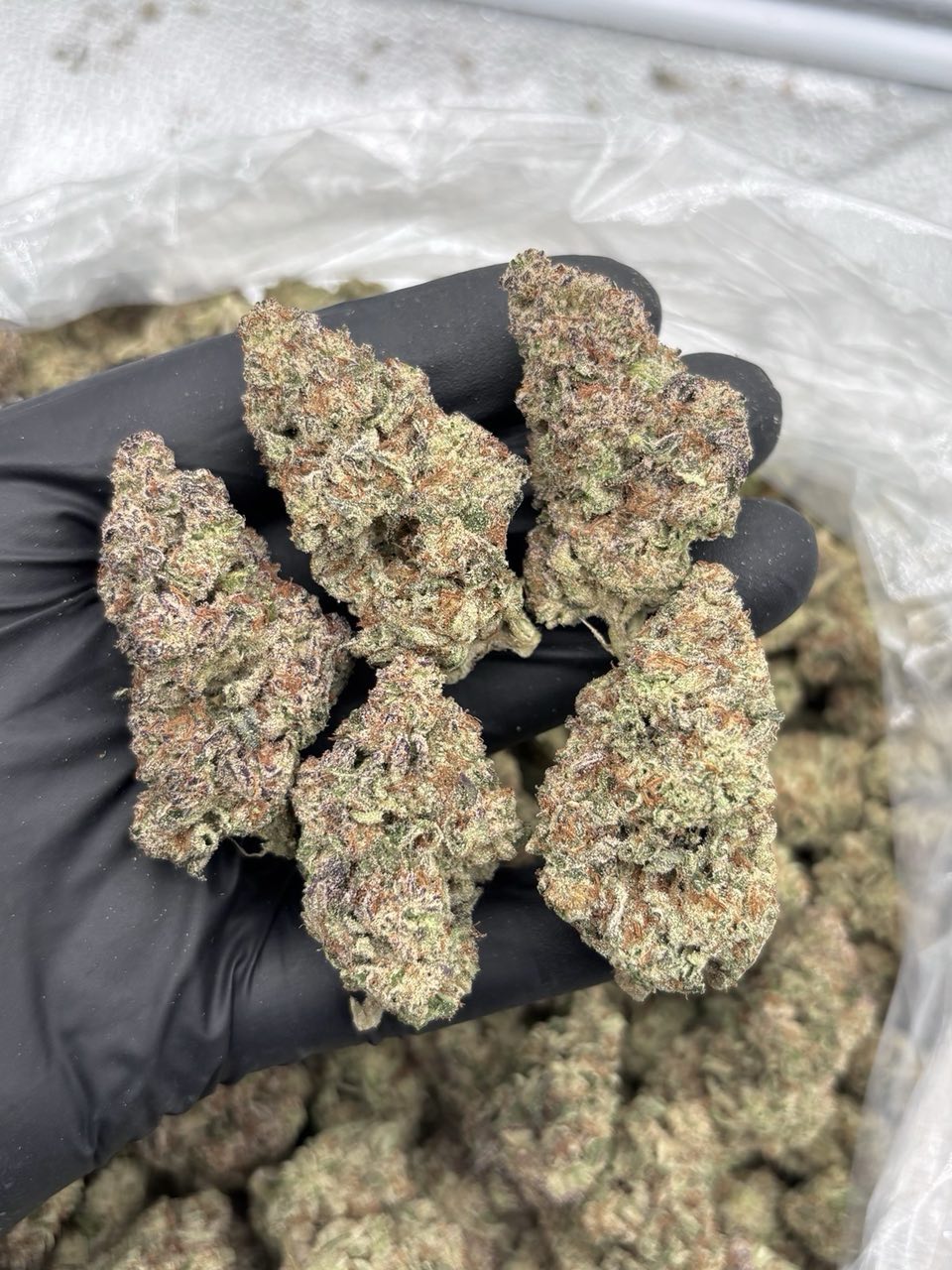
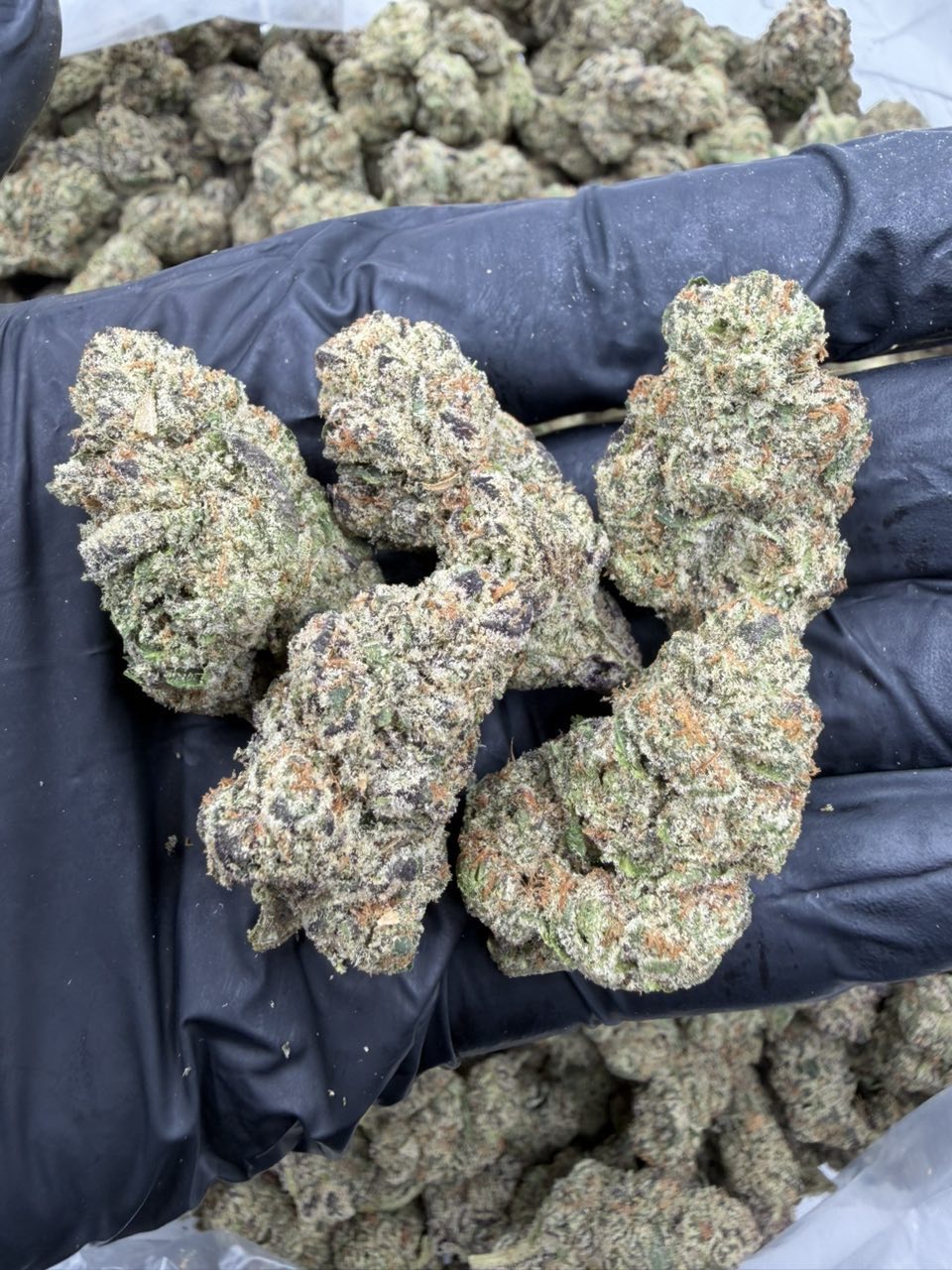
Decades of crossbreeding mean nearly every strain on the market today has both indica and sativa genetics. 'Pure sativa' or 'pure indica' is mostly a marketing claim, not a botanical fact. Wedding Cake, OG Kush, Blue Dream, Girl Scout Cookies, Gelato, Runtz — every famous modern strain is technically a hybrid.
Lab Analysis Often Contradicts Labels
When researchers sequence strains genetically and run them on the chemovar (chemical variety) classification system, they frequently find:
A 'sativa-labeled' strain that's genetically indica-dominant
An 'indica-labeled' strain producing typical sativa terpene profiles
Two 'sativas' from different growers with completely different chemistry
Identical genetics being sold under different category labels at different dispensaries
The Cultivation Affects Effect More Than Genetics
The same genetic strain grown indoor vs outdoor vs greenhouse — at different nutrient levels, harvest times, and curing protocols — will produce noticeably different effects. See our indoor vs greenhouse vs outdoor guide for why this matters more than the indica/sativa label.
The Effect Difference Is Less Pronounced Than Folk Wisdom Suggests
A 2022 study at Dalhousie University analyzed thousands of strain samples and found only a weak correlation between the sativa/indica label and the actual chemical profile. The strongest predictors of effect were terpene composition and cannabinoid ratio — not the category label.
The Framework That Actually Works
Experienced users have moved past sativa/indica and look at three real predictors instead:
1. Dominant Terpene Profile
Terpenes are the aromatic compounds that give cannabis its smell — and they have meaningful effects on how a high feels. The five terpenes that matter most:
Myrcene — sedating, muscle-relaxing, the 'couch-lock' terpene. Earthy, musky smell (mango, hops). Dominant in OG Kush, Granddaddy Purple, Northern Lights. Strains with high myrcene feel like indicas regardless of label.
Limonene — uplifting, mood-elevating, anti-anxiety. Citrus smell (lemon, orange). Dominant in Wedding Cake, Tangie, Super Lemon Haze. Strains with high limonene feel like sativas or daytime hybrids regardless of label.
Pinene — focus, alertness, counter-balances THC's memory effects. Pine smell. Dominant in Jack Herer, Blue Dream. Strains with high pinene feel functional and clear-headed.
Caryophyllene — anti-inflammatory, mild sedative, only known terpene that binds the CB2 receptor. Spicy, peppery smell. Dominant in GSC, Sour Diesel, Bubba Kush. Strains with high caryophyllene feel medicinal.
Linalool — calming, anxiolytic, mild sedative. Lavender smell. Less common as a dominant terpene but contributes to relaxing strain profiles. Strains with linalool often feel like indicas regardless of label.
2. Cannabinoid Ratio
THC:CBD ratio is the second major predictor. A 22% THC strain with no CBD feels different from a 22% THC strain with 1% CBD — even though they'd both be categorized identically by indica/sativa label.
High-THC, no CBD: Strong euphoria, more anxiety risk, more 'racy' feeling.
High-THC, low-CBD (1–2%): Slightly softened high, less anxiety, smoother peak.
Balanced (5–10% each): Functional, relaxed, medicinal. Less intoxicating.
High-CBD, low-THC: Minimal psychoactivity, strong physical relief, popular for chronic conditions.
3. User Reports for That Specific Strain
The single best predictor of how a strain will feel is reading 50 user reports for that exact strain. Leafly, Allbud, and AskGrowers aggregate thousands of reports per strain. Patterns emerge that lab data alone can't tell you — 'great for migraines,' 'made me anxious,' 'helped me sleep but I dreamed weird.'
Don't just read the strain's category. Read its reports.
The Sativa/Indica/Hybrid Cheat Sheet (When the Labels DO Work)
The labels are still right ~60% of the time. As a rough first pass, you can use them:
Pick Sativa-Labeled When
Daytime use
Social occasions, creative work, exercise
You want functional energy, not couch-lock
You want to avoid sleepiness
Reliable picks: Sour Diesel, Tangie, Jack Herer, Green Crack, Pineapple Express. See our uplifting hybrid strains guide for daytime catalog.
Pick Indica-Labeled When
Evening or nighttime use
Sleep, pain, deep relaxation
You want heavy body effects
You don't need to function for the next 3 hours
Reliable picks: Granddaddy Purple, Northern Lights, Bubba Kush, Wedding Cake, OG Kush. See our best strains for sleep guide for nighttime catalog.
Pick Hybrid When
Anytime — most hybrids cover the middle ground
Mood-elevating but not racy
Body relaxation but not couch-lock
Social occasions that span hours
Reliable picks: Blue Dream, Gelato, Wedding Cake, Runtz, Girl Scout Cookies.
Common Indica/Sativa Myths Debunked
Myth: 'Indica is sedating because of high CBD'
Reality: Most popular indicas (GDP, Bubba Kush, Northern Lights) have negligible CBD. The sedation comes from myrcene, linalool, and how THC interacts with the user's endocannabinoid system. CBD content is unrelated.
Myth: 'Sativa makes you anxious'
Reality: High-THC strains of any category can trigger anxiety in susceptible users. Sativas are over-represented in anxiety reports because they tend to be higher in THC and lower in calming terpenes. A high-limonene 'sativa' (Wedding Cake) is often less anxiety-inducing than a high-myrcene 'indica' that triggers paranoid sedation.
Myth: 'Pure sativa exists'
Reality: Vanishingly rare. Even landrace sativas have been hybridized for decades. Genetic testing of 'pure sativa' samples almost always reveals indica genetics in the lineage.
Myth: 'Indica vs sativa determines whether you'll be hungry'
Reality: Hunger (the munchies) is driven by THC's effect on the hypothalamus and is roughly proportional to dose, not category. High-THC anything will trigger munchies.
How to Use This in Practice
Three-step process for picking the right strain:
Step 1 — Filter by occasion. Daytime vs nighttime, work vs relaxation, social vs solo. The indica/sativa label is OK for this first pass.
Step 2 — Check the terpene profile. Look at the COA (certificate of analysis) for the batch. Match the dominant terpene to your goal: myrcene for sleep, limonene for mood, pinene for focus, caryophyllene for inflammation.
Step 3 — Read user reports. Search the strain name + your goal ('Wedding Cake for sleep,' 'Sour Diesel for anxiety,' 'Blue Dream for creativity'). Patterns in 50 reports are more reliable than any category label.
Where the Indica/Sativa System Goes From Here
Researchers and progressive dispensaries are slowly moving to a chemovar-based system: classifying strains by their chemical fingerprint rather than morphological lineage. Chemovars look like:
Type I: THC-dominant (most modern strains)
Type II: Balanced THC and CBD (medical strains, Harlequin, ACDC)
Type III: CBD-dominant (hemp varieties, wellness strains)
Within Type I, further classification by terpene profile (myrcene-dominant, limonene-dominant, caryophyllene-dominant) gives a much more useful prediction of effect than indica vs sativa ever did. Expect this system to gradually replace indica/sativa over the next decade.
Where to Buy Strains by Effect
Browse our Top Shelf Fresh Drops collection — each product page shows the terpene profile so you can pick by effect, not category.
Daily smokers: $70 Smalls — same lab-tested genetics at value pricing.
Concentrate users: our extracts catalog — terpene profile becomes even more important at concentrate doses.
Related Reading
What Is THCa? — start here if you're new to the cannabinoid landscape.
THCa vs Delta-9 — for the cannabinoid distinction.
Best Strains for Beginners — when you've decided what category to try.
How to Dose THCa — once you've picked a strain.
Disclaimer: This article describes commonly reported user experiences and is not medical advice. Cannabis affects individuals differently. WHAM products are for adults 21+ in states where hemp-derived THCa is legal. Don't drive or operate machinery while under the effects of cannabis.
Fresh for 2026 — treat the three labels as shopping shorthand, not biology. A batch's terpene profile and its total-THC number on the COA predict how it will actually feel far better than the word printed on the jar — which is why two “indicas” can land completely differently.
Keep reading & shop
Shop: Shop THCa disposables
What the writer recommends
6 hand-picked products
Further reading
Resources & References
Quick answers
Frequently asked
Loose generalization, true a lot of the time, wrong often enough to mislead. The actual driver of 'sleep vs energy' effects is the terpene profile — myrcene-heavy strains sedate regardless of whether they're labeled indica or sativa; limonene-heavy strains energize regardless of label. Many famous 'sativas' (Bruce Banner, GG4) test as indica-dominant on lab analysis.
Two reasons: (1) tradition — the labels have been used in cannabis culture since the 1970s and customers ask for them by name, (2) loose correlation — they're right often enough (~60%) that they're not actively misleading, just unreliable. Most dispensaries label by morphology and bud structure rather than effect, which is what the original taxonomy described.
Look at three things: (1) dominant terpene profile (myrcene = sedating, limonene = uplifting, pinene = focus, caryophyllene = anti-inflammatory), (2) THC:CBD ratio (high-CBD strains feel different even at the same THC level), and (3) user reports for that specific strain rather than its category. Modern lab certificates list terpenes and cannabinoids on every batch.
No. 'Hybrid' just means the strain has lineage from both indica and sativa parents — most modern cannabis is hybrid by this definition. Hybrids are further categorized as 'indica-dominant' or 'sativa-dominant' but the dominance percentage varies (60/40, 70/30, 80/20) and isn't always disclosed.
No. Individual endocannabinoid systems differ, tolerance levels differ, time of day matters, what you've eaten matters, and what you're doing while high matters. Two friends smoking the same Wedding Cake at the same time can have meaningfully different experiences. The labels (sativa/indica/hybrid) are population averages, not personal predictions.
Keep reading
More from the editorial
Articles in Education and across the WHAM Read.
 Education2 min
How Long Does a THC High Last? (2026 Timeline)
A smoked or vaped THC high usually peaks within 10 minutes and lasts about 1–3 hours; THC edibles run 4–8 hours. This guide breaks down how long a THC high lasts by method, what changes the duration, and how to come down faster if you need to.
 Education4 min
What Are WHAM Packs? Lil Baby Weed Packs, Sizes and Prices
A WHAM pack is a quarter pound to a full pound of Lil Baby's weed, mixed with some disposables and shipped in a double-sealed, nitrogen-sealed, smell-proof packet. Here are the sizes, how the pricing works, and how to order one.
Education4 minWhat Strain Is Lil Baby's Weed? The WHAM Strains Explained
Lil Baby's weed isn't a single strain — WHAM is his brand, with around 90 flower options on the menu. Most are hybrids, with indica picks like Alien ET and sativa picks like Sour Diesel. Here are the best sellers and how to pick one.

Get 5% off + the best reads in your inbox
Join 50,000+ subscribers. One short editorial email a week — unsubscribe any time.
No spam · unsubscribe in one click