
What Is THC? The Complete 2026 Guide to America's Most-Searched Cannabinoid
From basic chemistry to legal status to how it actually feels — a full primer on THCa, the compound powering the largest hemp-flower market in US history.
Updated May 31, 2026 — refreshed legal status, current pricing context, and a new section covering the 2026 state-by-state regulatory shifts.
THCa is the most-searched cannabis compound on the internet in 2026. Three years ago, almost nobody outside cannabis research used the term. Today, it's the keyword behind one of the fastest-growing legal commerce categories in America — premium, federally-legal hemp flower shipped to every state where local law permits.
This guide is the complete primer. We'll cover what THCa is (the chemistry), how it works (the effects and pharmacology), why it's legal (the Farm Bill loophole), how to use it (consumption methods), and what to buy (product types). If you read only one piece on THCa, this should be it.
Part 1: The Chemistry of THCa
What THCa Actually Is
Tetrahydrocannabinolic acid (THCa) is one of the more than 100 cannabinoids produced by the Cannabis sativa plant. Chemically, it's the acidic precursor to Delta-9 tetrahydrocannabinol (THC). The molecular formula is C₂₂H₃₀O₄, compared to C₂₁H₃₀O₂ for Delta-9 THC.
The difference between them is exactly one carboxyl group (–COOH). THCa carries it; Delta-9 THC doesn't. That carboxyl group is what makes THCa biologically inactive at CB1 receptors and what gets shed when you apply heat.
How the Plant Makes THCa
Cannabis biosynthesis starts with a precursor called CBGa (cannabigerolic acid). Specific enzymes — encoded by the plant's genetics — then convert CBGa into one of three main 'parent' cannabinoid acids:
THCa Synthase: creates THCa, the parent of THC.
CBDa Synthase: creates CBDa, the parent of CBD.
CBCa Synthase: creates CBCa, the parent of CBC.
Which enzyme dominates a given plant is determined by the cultivar's genetics. Type I plants (high-THCa, low-CBDa) are what's commonly called 'marijuana' or 'high-THC cannabis.' Type II plants are balanced. Type III plants are high-CBDa, low-THCa — what was historically called 'industrial hemp.' Modern THCa hemp cultivation has produced Type I plants that still test under 0.3% Delta-9 in the raw state.
Decarboxylation: The Magic Word
Decarboxylation is the chemical reaction where THCa loses its carboxyl group (as CO₂) and becomes Delta-9 THC. The reaction starts slowly around 90°C (195°F) and reaches near-complete conversion at about 115°C (240°F) given sufficient time. In practice:
Smoking a joint: Combustion temperatures (>400°C) decarb instantly.
Vaping flower: Most dry-herb vaporizers run at 180-220°C — fast, efficient decarb.
Baking edibles: Decarbing flower in an oven at 220°F for 30-40 minutes is the standard prep.
Sitting at room temperature: Slow decarb over months — explains why aged flower develops more THC content.
Decarboxylation is the only meaningful chemical event in the THCa-to-THC pipeline. Without heat, THCa is essentially non-intoxicating. With heat, it's identical to dispensary cannabis.
Part 2: The Effects of THCa
Raw vs Heated — Different Substances
Because of the carboxyl group, raw THCa is shaped wrong to bind efficiently to CB1 receptors in the brain — which is where the classic cannabis high originates. So raw THCa, taken orally without heat (juicing fresh cannabis, eating raw flower, raw tinctures), produces almost no intoxication.
What raw THCa might do: animal studies and preliminary clinical research suggest it has anti-inflammatory effects, possible neuroprotective benefits, and weak anti-nausea properties. This is an active research area, but it's not why most people buy THCa — they're buying it for what happens after heat.
After Heat: The Same Cannabis High You Know
Once decarbed, THCa is Delta-9 THC. The effects, durations, and pharmacology are identical to smoking or vaping dispensary-grade marijuana of comparable potency. Standard effects include:
Mood elevation (euphoria, lightness, relaxation)
Sensory enhancement (music, food, color, conversation)
Altered time perception (typically time feels slower)
Appetite stimulation ('munchies')
Physical relaxation, sometimes with notable couch-lock at higher doses
Reduced stress and anxiety at low doses; can paradoxically increase anxiety at high doses
Effects begin within 1-3 minutes of inhalation, peak around 30-60 minutes in, and gradually fade over 2-4 hours. Edibles are slower (60-90 minute onset) and longer (4-8 hours).
How Strong Is It Really?
Modern THCa flower cultivation produces buds testing at 25-30% THCa, with some specialty strains pushing 35%. After the conversion math (multiply by 0.877), that's 22-26%+ effective Delta-9 THC — matching or exceeding most state-licensed dispensary cannabis. The 'hemp flower is weak' stereotype is at least 5 years out of date.
Part 3: The Legal Story
Why THCa Is Federally Legal
The 2018 Farm Bill (officially the Agriculture Improvement Act) federally legalized hemp. Hemp is defined by 7 U.S. Code § 1639o as Cannabis sativa with less than 0.3% Delta-9 THC by dry weight.
Note what that definition does and doesn't say. It specifies Delta-9 THC content in the raw plant. It does not specify THCa, total THC after decarboxylation, or any other metric. Raw THCa flower contains negligible Delta-9 THC (the THCa hasn't converted yet), so it qualifies as hemp.
We have a complete legal breakdown in the 2018 Farm Bill Explained, and a 50-state legality map, but the short version is: yes, in most US states, hemp-derived THCa is fully legal for adults 21+, subject to a small list of restrictive state laws.
The DEA's Position
The DEA has publicly acknowledged that raw THCa qualifies as hemp under the federal definition. Their scheduling page separates marijuana (Schedule I) from hemp (not scheduled). The relevant DEA correspondence on THCa specifically has been cited across legal commentary and has been the basis of major hemp industry investments.
Part 4: A Brief History of THCa as a Market
Before 2018: The Cannabinoid Acids Were Mostly Academic
Before federal hemp legalization, THCa was studied by cannabinoid researchers — most prominently Raphael Mechoulam (the Israeli scientist who first isolated THC in 1964 and is often called the father of cannabis research). Industrial hemp was already legal in many countries, but only for low-THC industrial use (fiber, seed oil, CBD). THCa-rich plants existed only in marijuana markets.
After 2018: The Loophole Becomes a Market
After the Farm Bill passed, hemp entrepreneurs realized something specific: the law measured Delta-9 THC in raw plant material, not total THC after conversion. With selective breeding, you could grow a plant that was high in THCa but tested under the 0.3% Delta-9 threshold.
By 2020, the first commercial THCa-rich hemp flower cultivars hit the market. By 2023, the segment was a billion-dollar industry. By 2026, THCa flower is sold in more US states than state-licensed dispensary cannabis — because it ships nationally under federal law instead of being locked to in-state retail.
The Industry Today
The THCa market in 2026 is mature enough to have its own tiers, supply chain, and quality benchmarks. Top-shelf indoor cultivation is the premium tier. $70 Smalls serve the value-conscious daily consumer. Bulk pounds serve serious buyers. Disposable vapes and extracts serve discreet and concentrated-use buyers.
Part 5: How to Use THCa
Form Factors
THCa is available in the same form factors as dispensary cannabis:
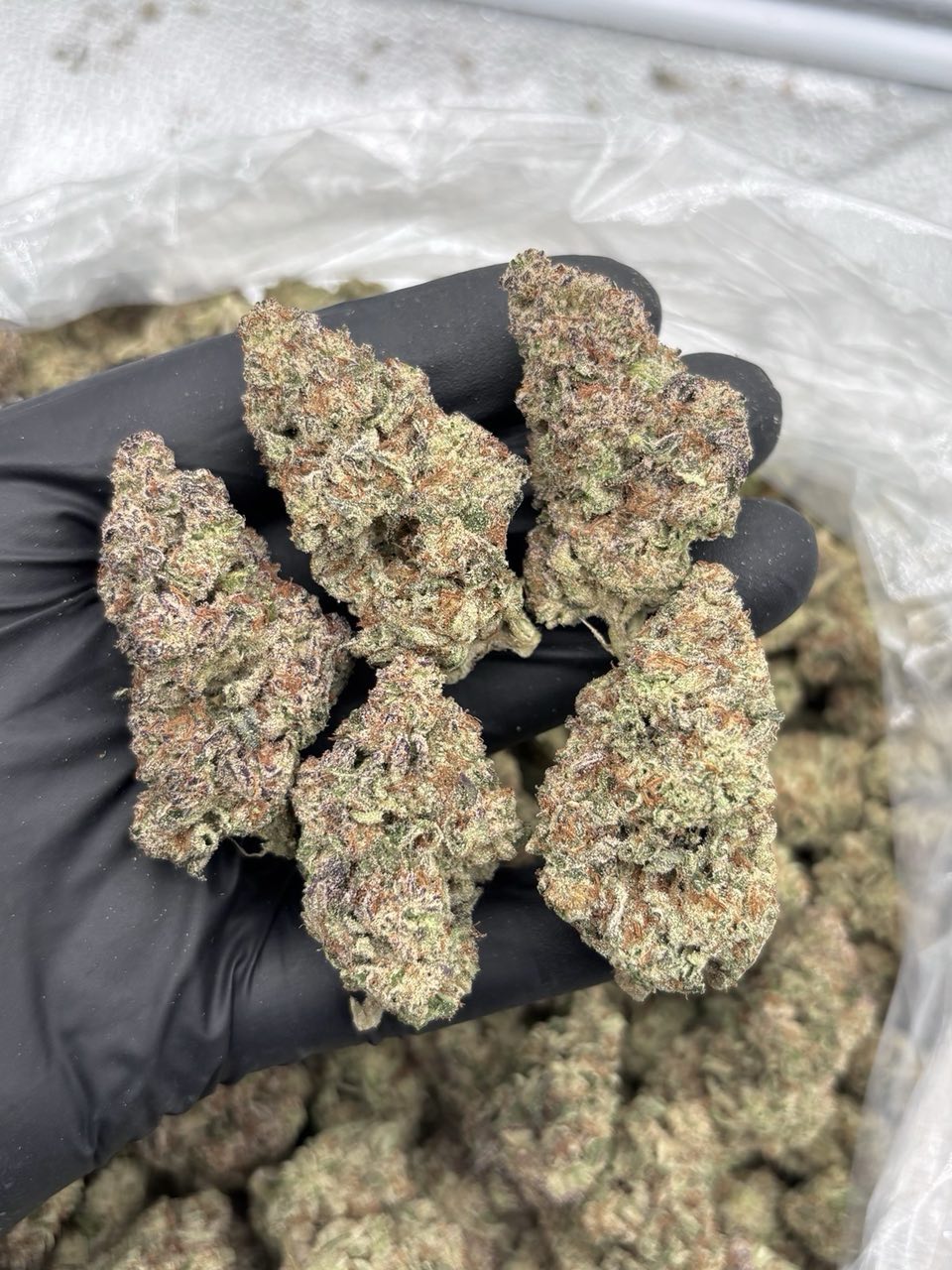
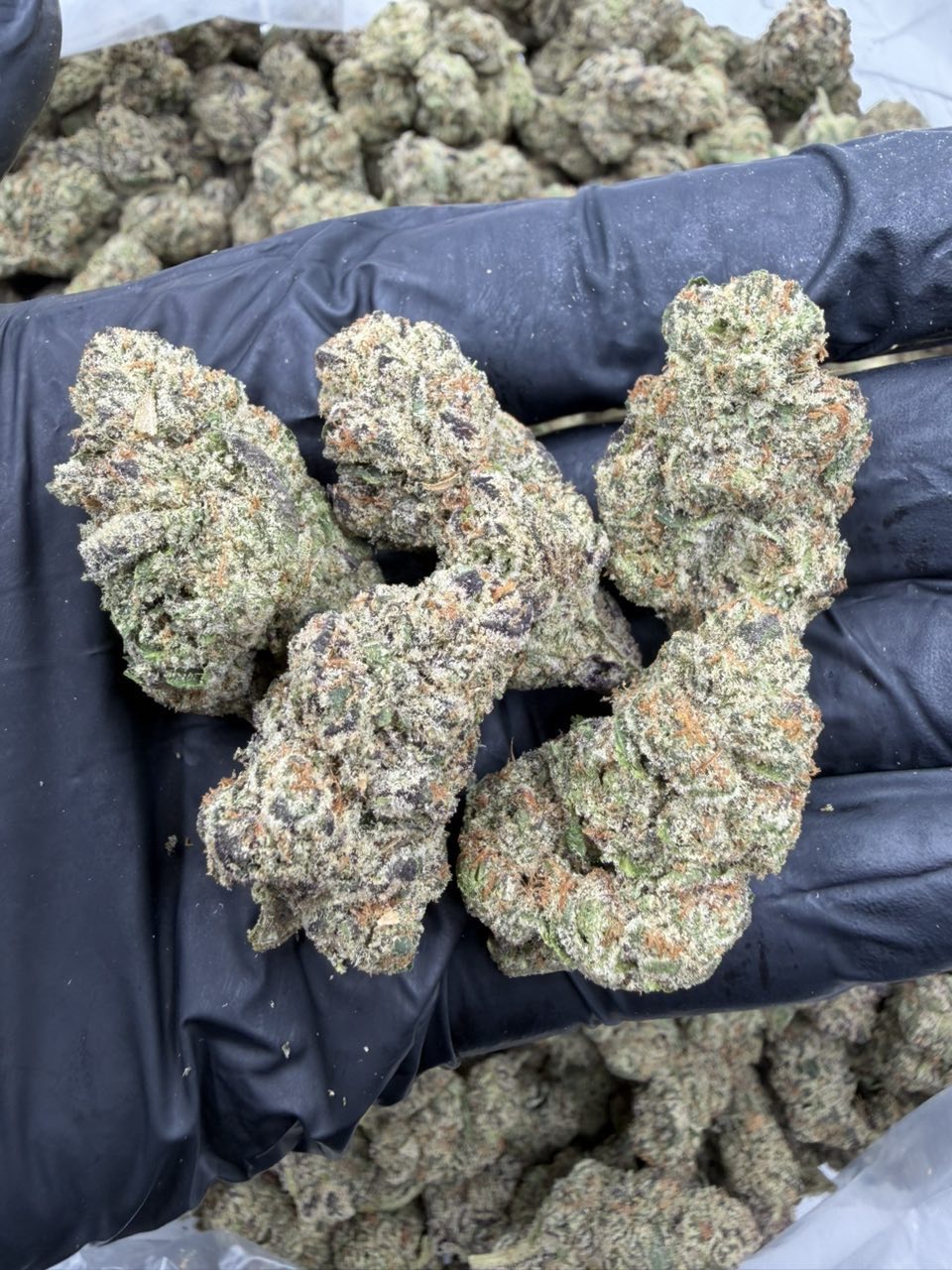
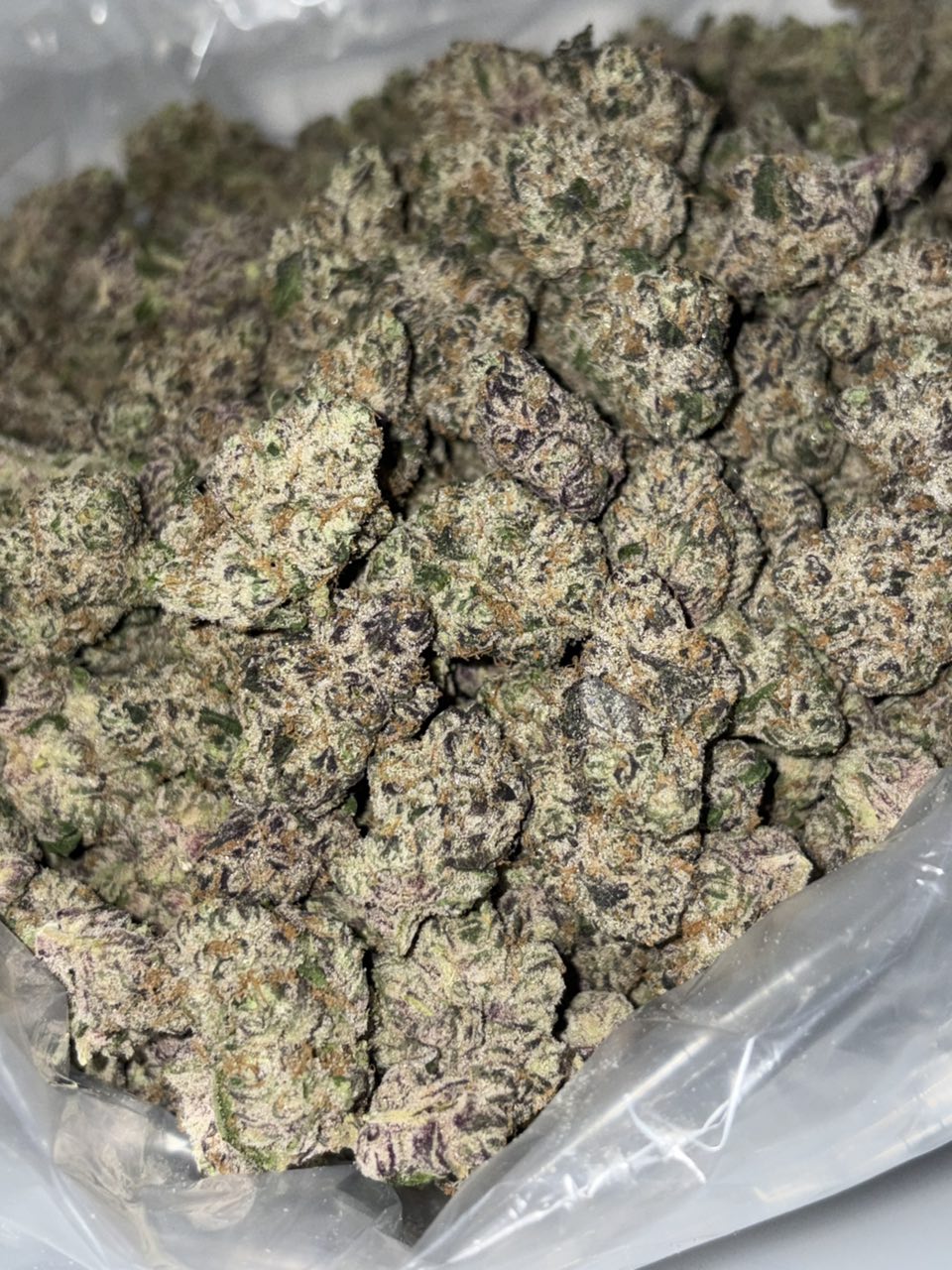
Flower: smokable buds — the original form, broadest selection, easiest dosing.
Pre-rolls: joints rolled from flower — pre-dosed, ready to use.
Vapes: cartridges and disposables, more discreet, faster onset. Browse disposables.
Concentrates: high-potency extracts (60-90%+). Browse extracts.
Edibles: gummies, tinctures, baked goods — long-duration, slow onset.
Dosing
Quick guidance: start small, wait long enough to feel it. Inhaled: 1-3 small inhales for first-time users. Edibles: 5mg first dose, 90 minutes before reassessing. We have a complete beginner dosing protocol that covers the methodology in depth.
Storage
Cool, dark, airtight. Direct sunlight degrades cannabinoids and terpenes over weeks; heat accelerates decarboxylation (you don't want passive decarb sitting in the jar). Most flower stays optimal for 6-12 months in a properly stored container. Glass jars in a dark drawer beat plastic bags in a backpack.
Part 6: Lab Testing & Quality
Every legitimate THCa product comes with a Certificate of Analysis (COA) from a third-party lab. The COA should show:
Total THCa, total CBD, and a full cannabinoid panel
Delta-9 THC content (must be under 0.3% by dry weight for federal compliance)
Terpene profile (the secondary aroma/effect compounds)
Tests for pesticides, heavy metals, residual solvents, and microbials
Batch number, harvest/test date, and lab credentials
We publish every COA at our Lab Tests directory and link it from every product page. If a retailer doesn't show you the COA before you buy, walk away.
Part 7: Frequently Confused Topics
THCa vs Delta-8 vs Delta-9
These are three different molecules. Delta-9 THC is the classic cannabis high. THCa becomes Delta-9 THC when heated. Delta-8 THC is an isomer of Delta-9 — same molecular formula, different structure — and produces a milder, more sedating high. We have a complete THCa vs Delta-9 comparison if this is the confusion you need cleared up.
THCa Flower vs CBD Flower
Both are hemp. The difference is genetics. CBD flower has high CBDa (which becomes CBD when heated) and low THCa. It's non-intoxicating. THCa flower has high THCa (becomes THC when heated) and low CBDa. It's intoxicating when smoked. Same plant, different chemotypes.
Drug Tests
Once heated and consumed, THCa becomes Delta-9 THC and your body metabolizes it identically. You will fail standard drug tests after smoking THCa. If you have an upcoming employment, military, or court-ordered test, see our drug test guide for detection windows.
Where to Start
If this article is your first stop, here's the recommended first-order path:
Pick one of our balanced-hybrid Top Shelf strains. Browse Top Shelf → — the descriptions list flavor and effect notes to help you choose.
Order in a small quantity to start. An eighth (3.5g) is the standard 'see if I like it' size.
Read our beginner dosing guide before your first session. Read it →
Take it slow. First-time THCa is essentially first-time cannabis if you've never used it before. The dosing protocol is the same.
Every product page on WHAM includes the COA, the terpene profile, and detailed strain notes. Browse all products →.
2026 Updates: What's Changed This Year
The THCa market has continued to evolve through the first half of 2026. A few developments worth flagging if you're new to the space or coming back after a break:
State-level regulation is tightening unevenly. A handful of states (most recently Hawaii and Arkansas) have moved to restrict hemp-derived THCa, while others (Pennsylvania, Virginia) have explicitly affirmed its legal status. The federal Farm Bill protection still holds, but enforcement is becoming state-by-state. See our state-by-state legality guide for the current map.
Pricing has stabilized. After two years of rapid market growth and aggressive discounting, retail prices for premium THCa flower have settled into a consistent range — top-shelf flower typically lands between $300–$500/oz, with value-tier 'smalls' offerings in the $70–$150/oz range. Quality varies widely; always check the COA.
New product categories are maturing. Live rosin, live resin, and hash extracts have moved from boutique-only to standard catalog items at most reputable hemp retailers. Our extracts collection reflects this shift.
Lab testing standards are improving. Third-party COAs now consistently include terpene profiles, heavy metal screens, and pesticide panels — the testing rigor that used to be exclusive to state-licensed marijuana operations.
Federal action remains stalled. Despite ongoing discussion of the next Farm Bill update, no major federal restrictions on hemp-derived THCa have passed in 2026. The legal framework that enables this market remains in place.
We'll keep updating this guide as the landscape shifts. Bookmark this page and check back periodically — or subscribe to the WHAM newsletter to get major updates as they happen.
Disclaimer: This article is educational and not medical or legal advice. THCa products are for adults 21+ in states where hemp-derived products are legal. Pregnant or nursing individuals should not use cannabis products. If you're on medication or have a medical condition, consult a qualified physician before using cannabis.
Keep reading & shop
Shop: Shop THCa flower
What the writer recommends
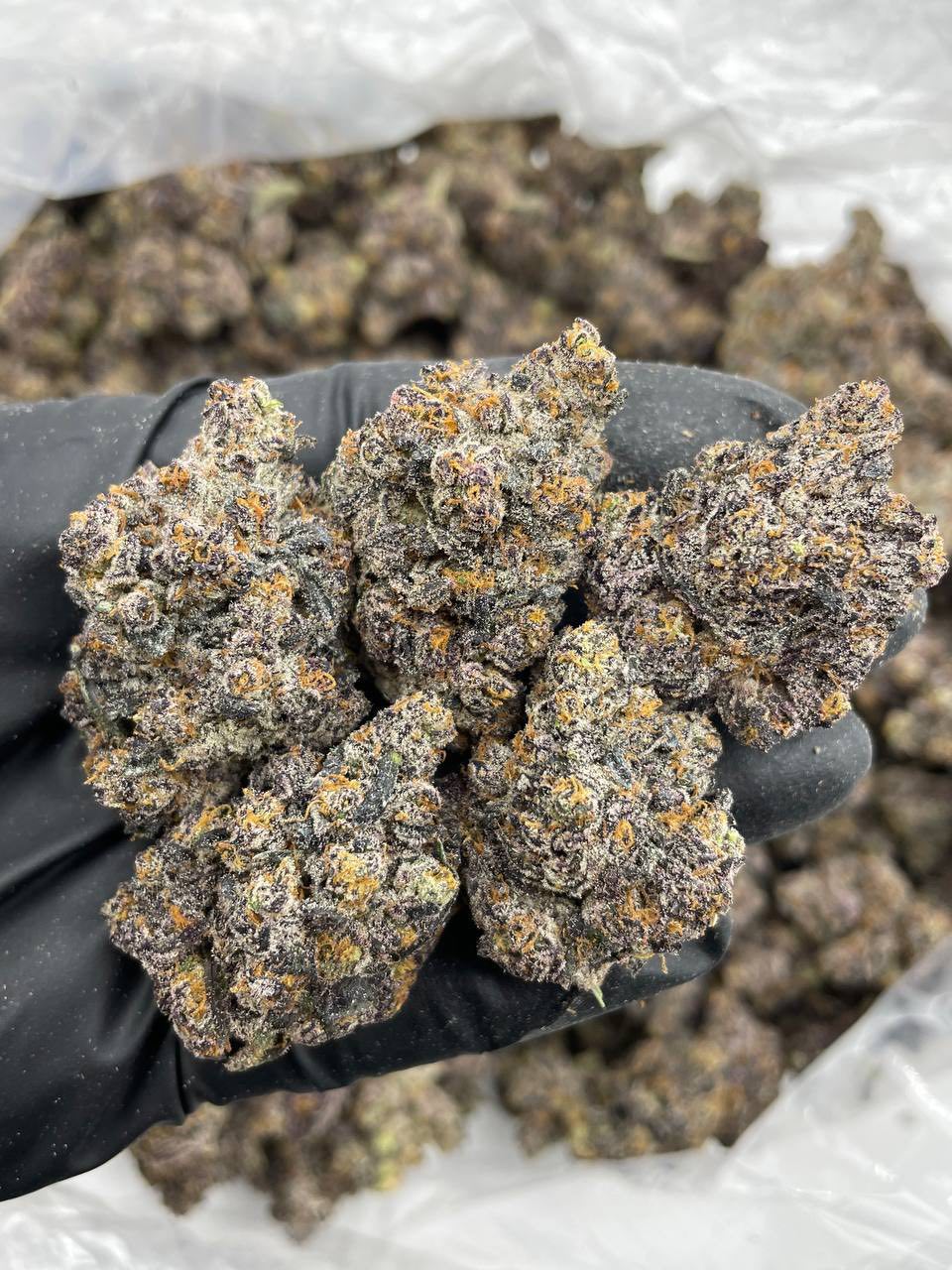
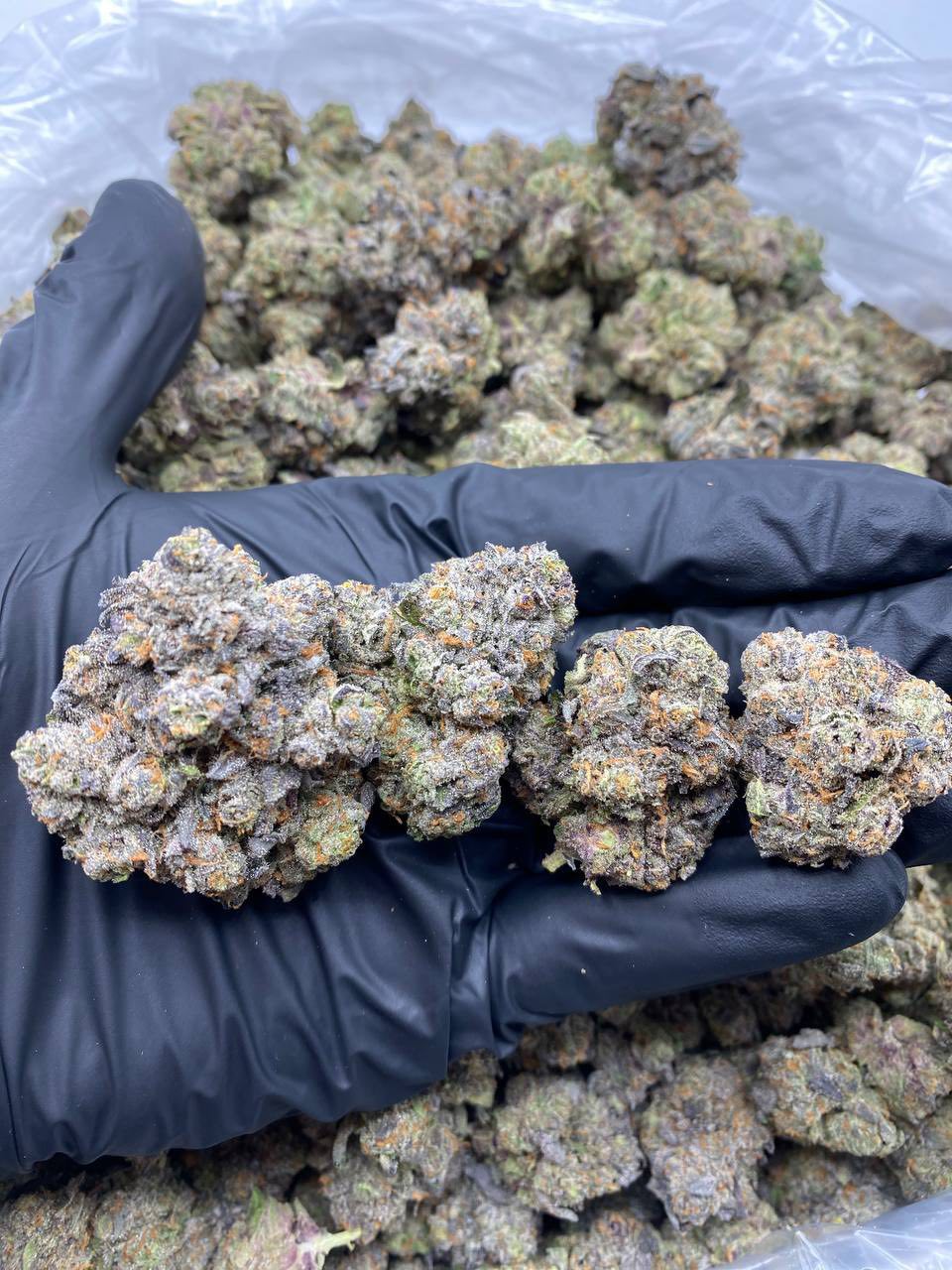
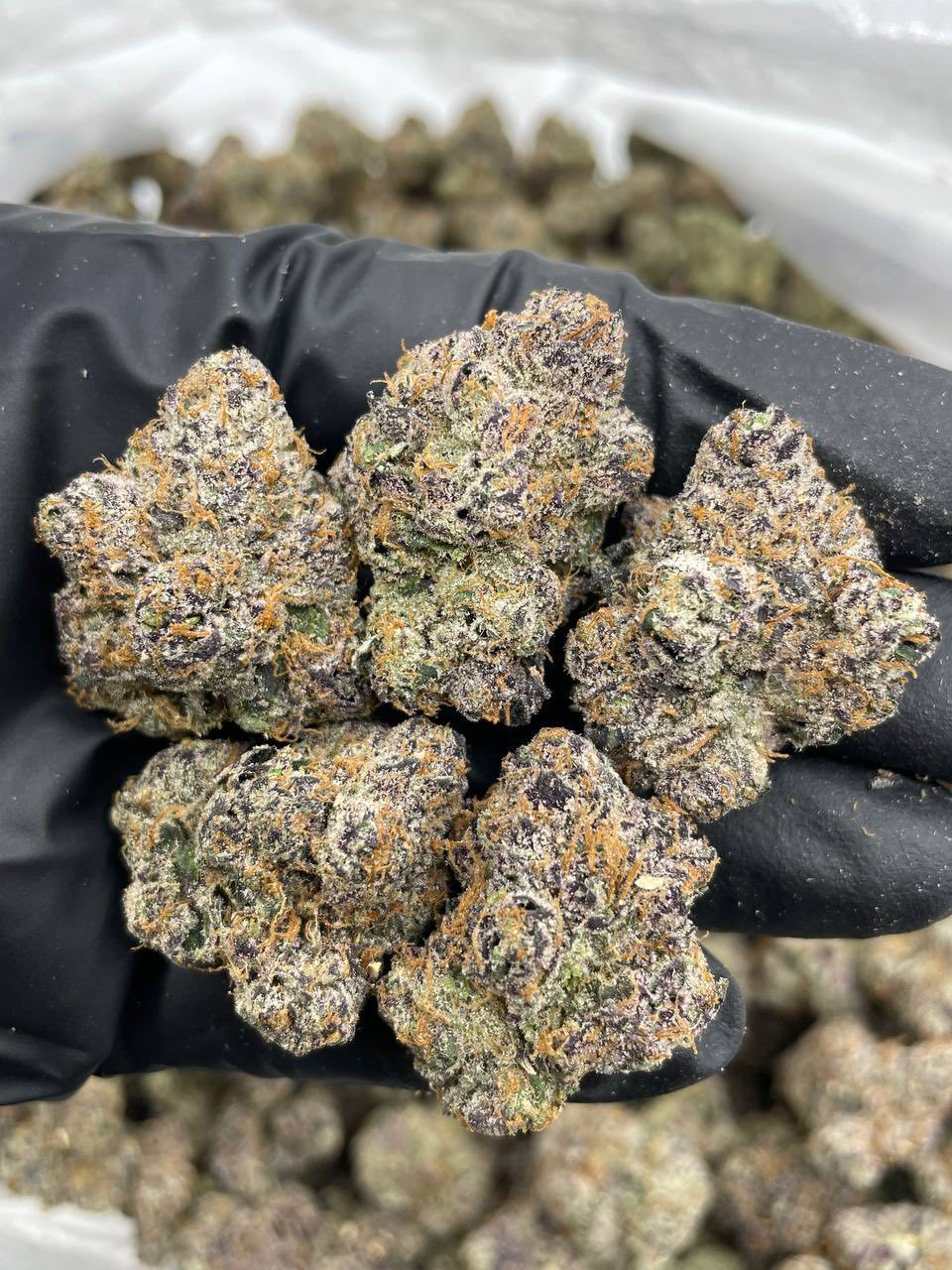
6 hand-picked products
Further reading
Resources & References
Quick answers
Frequently asked
Tetrahydrocannabinolic acid. It's the acidic precursor of Delta-9 THC, the famous psychoactive compound in marijuana. THCa naturally occurs in raw cannabis plants; THC is what THCa becomes when heated.
Yes — but only after it's heated. In its raw form (uncooked plant material, fresh flower, raw extracts), THCa does not produce intoxication. Once you smoke, vape, or bake it, the heat converts THCa to Delta-9 THC, which produces the classic cannabis high.
By molecular weight, no. After decarboxylation (heating), THCa converts to Delta-9 THC at about 87.7% efficiency. So flower testing at 25% THCa delivers approximately 21.9% Delta-9 THC after combustion. The effects are equivalent to Delta-9 cannabis at the same potency.
It's produced by the cannabis plant itself, in trichomes (the resinous glands on flower buds and leaves). The plant's biosynthesis pathway makes CBGa first, then enzymes convert it to THCa, CBDa, or CBCa depending on the plant's genetics. The 'acid' form is the plant's natural defense compound.
Botanically, yes — same plant. Legally, no. Hemp-derived THCa flower is grown to meet the federal definition of hemp (less than 0.3% Delta-9 THC in raw form). It's the same Cannabis sativa species, but it's regulated under hemp law instead of marijuana law.
Keep reading
More from the editorial
Articles in Education and across the WHAM Read.
 Education2 min
How Long Does a THC High Last? (2026 Timeline)
A smoked or vaped THC high usually peaks within 10 minutes and lasts about 1–3 hours; THC edibles run 4–8 hours. This guide breaks down how long a THC high lasts by method, what changes the duration, and how to come down faster if you need to.
 Education4 min
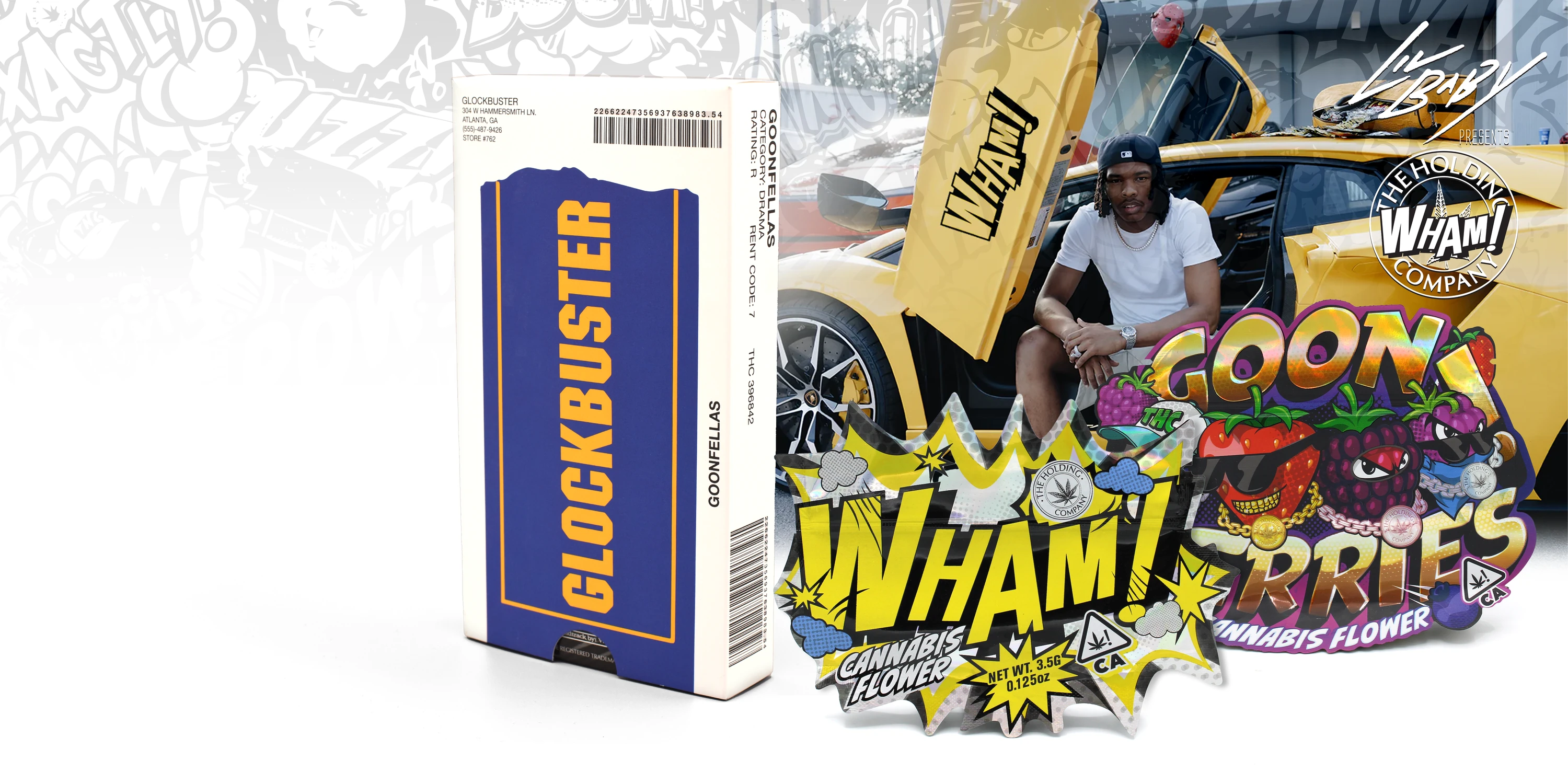
What Are WHAM Packs? Lil Baby Weed Packs, Sizes and Prices
A WHAM pack is a quarter pound to a full pound of Lil Baby's weed, mixed with some disposables and shipped in a double-sealed, nitrogen-sealed, smell-proof packet. Here are the sizes, how the pricing works, and how to order one.
Education4 minWhat Strain Is Lil Baby's Weed? The WHAM Strains Explained
Lil Baby's weed isn't a single strain — WHAM is his brand, with around 90 flower options on the menu. Most are hybrids, with indica picks like Alien ET and sativa picks like Sour Diesel. Here are the best sellers and how to pick one.

Get 5% off + the best reads in your inbox
Join 50,000+ subscribers. One short editorial email a week — unsubscribe any time.
No spam · unsubscribe in one click