
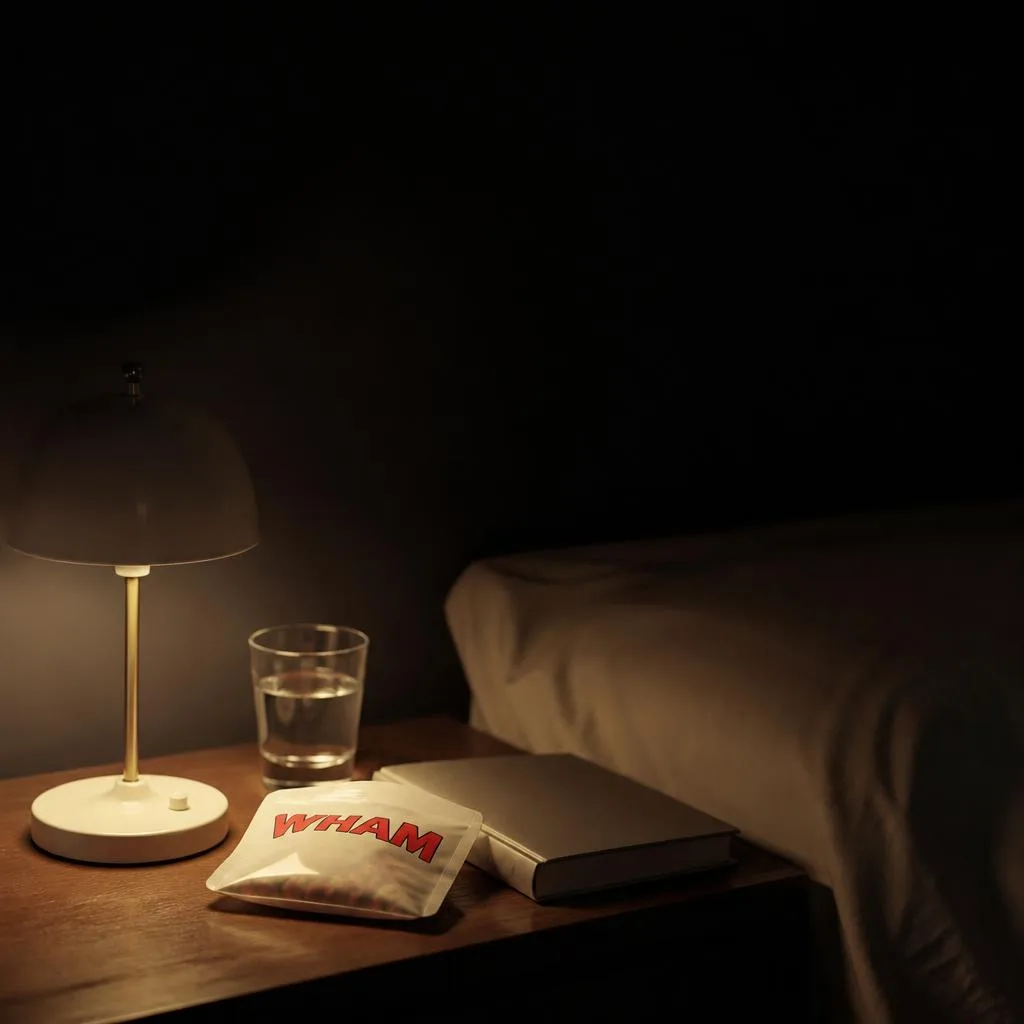
THC Gummies Before Bed: What People Actually Reach For
Timing matters more than dose, and dose matters more than the label on the bag. An honest look at what people use, what the evidence does and doesn't say, and how to avoid the morning fog.
Sleep is one of the most common reasons people buy edibles — and one of the easiest to get wrong. Timing decides more than dose, and dose decides more than the label. Here is the practical version, with an honest note on what the evidence actually supports.
Take it at bedtime and it wakes you up. Take it ninety minutes earlier and it does the opposite.
The timing problem
Edibles take forty-five to ninety minutes to arrive. Swallow one as you get into bed and it lands while you are lying there trying to sleep — which for a lot of people is stimulating rather than settling. Take it ninety minutes before you intend to be asleep and the onset lines up with winding down instead.
That single adjustment resolves most complaints we hear about edibles and sleep. The underlying timings are in how long gummies take to kick in and how long edibles last.
And the duration problem behind the morning fog
Edibles run four to eight hours. A large dose taken at eleven is still working at seven. That is the whole explanation for waking up groggy — it is not a hangover in any real sense, it is the dose still being active. Smaller and earlier fixes it. Why edibles last so long is covered in gummies vs smoking.
Dose down, not up
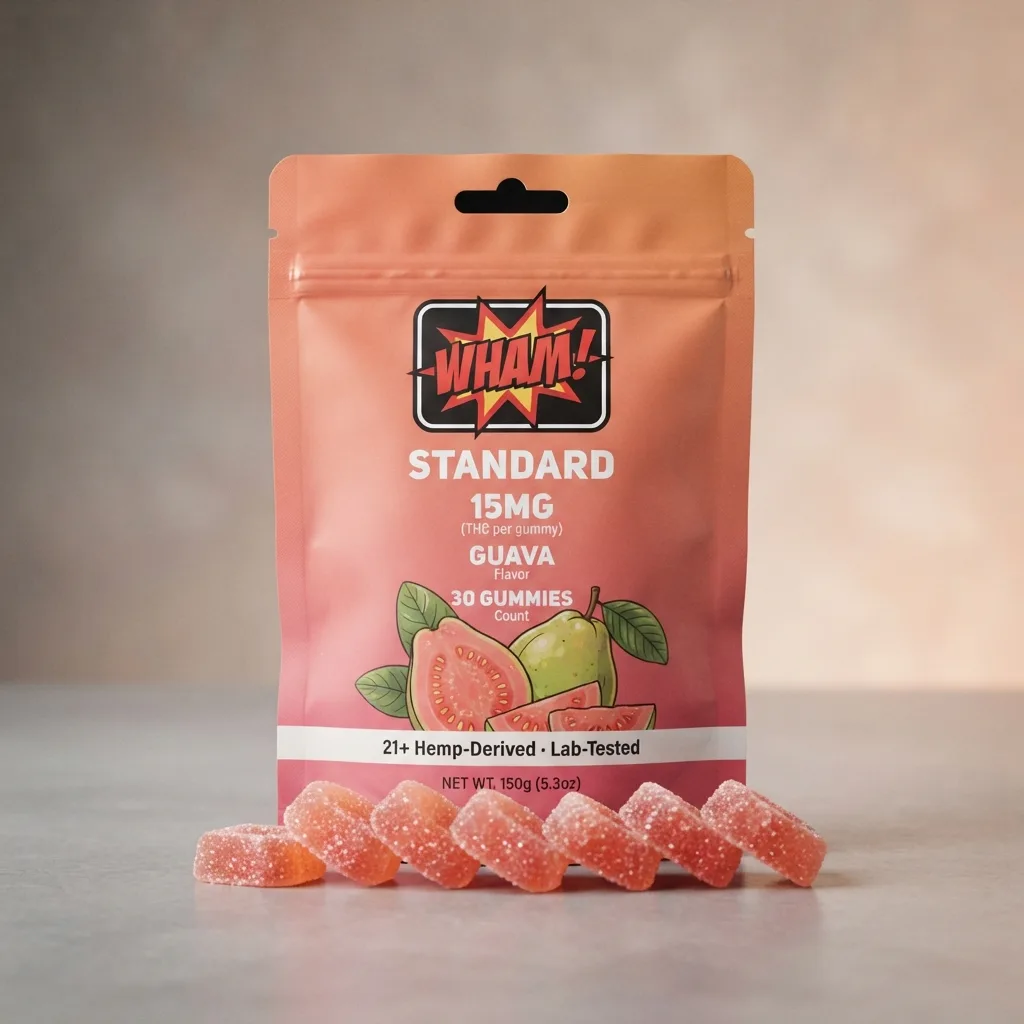
Start at 2.5-5mg. Half a standard 10mg piece is a sensible first try.
Give it a full two hours before concluding anything.
If you wake foggy, reduce the dose before you change the product.
If it isn't working at all, move the timing earlier before increasing.
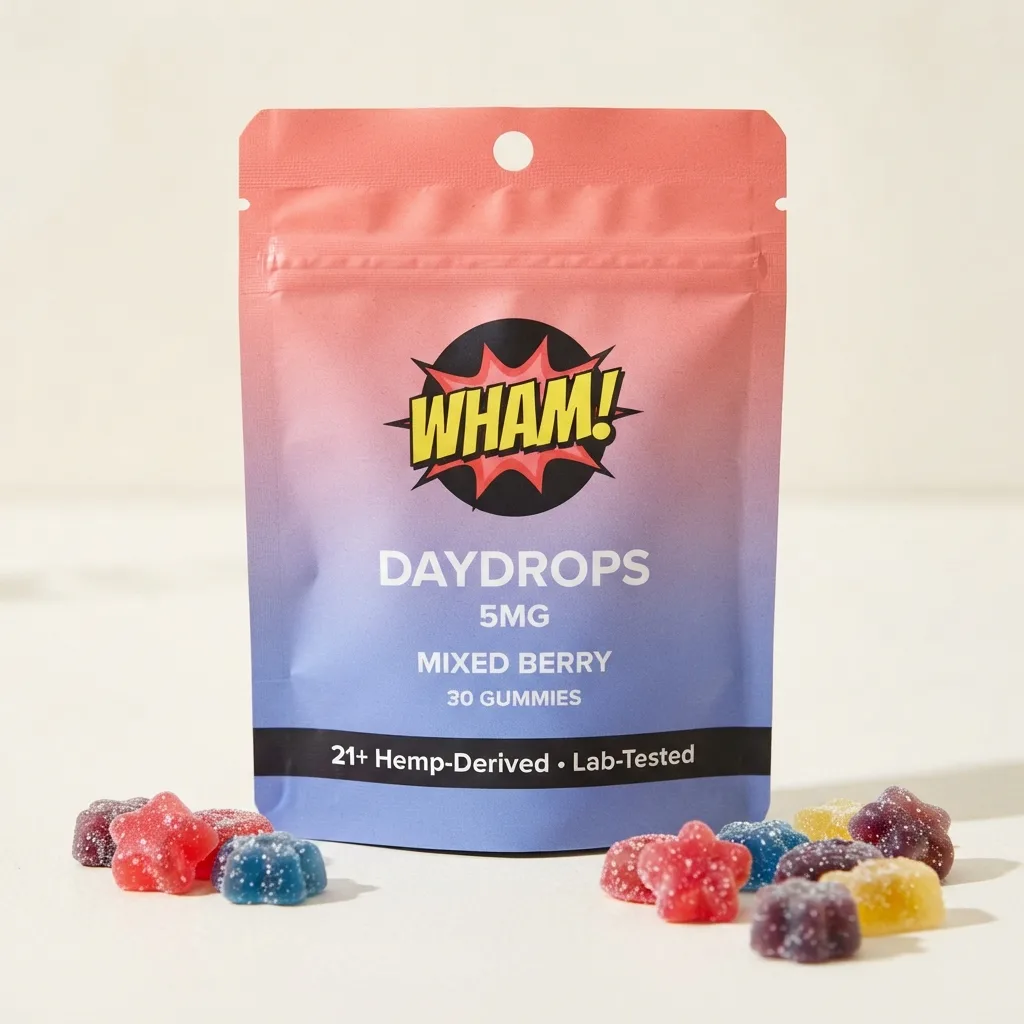
Higher doses tend to make sleep shallower, not deeper. This is the counterintuitive part and it is consistently reported: people escalate looking for a stronger effect and end up sleeping worse. Our 5mg microdose gummies exist partly for this — a whole piece that is already a starting dose. Full guidance in the gummy dosage guide and the THC dosage guide.
An honest word on the evidence
This is where a lot of marketing overreaches, so plainly: many people report falling asleep more easily, and the research is still limited and mixed — particularly on sleep quality rather than time taken to drop off. Some studies suggest regular use may reduce time in REM sleep. It is a widely reported effect, not an established treatment.
Nothing here is medical advice. THC gummies are a legal hemp product for adults, not a treatment for insomnia.
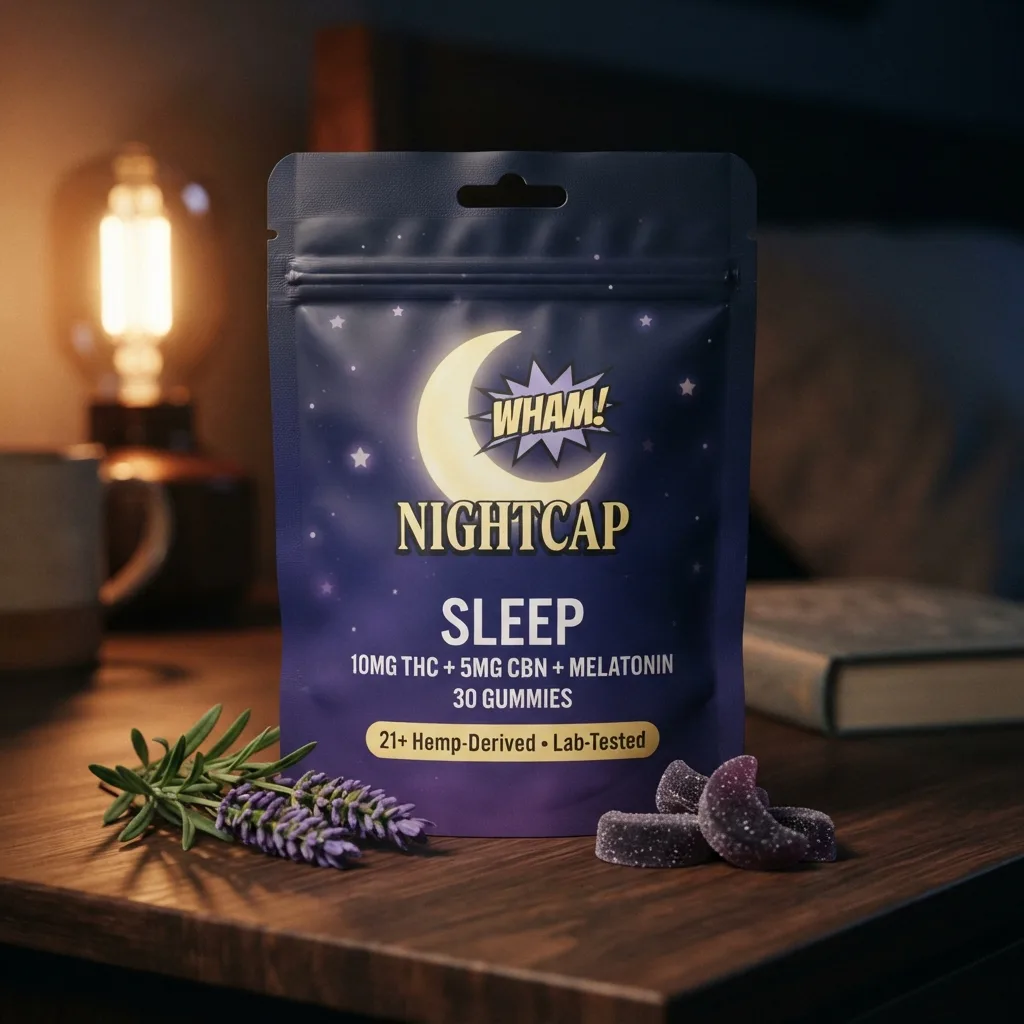
CBN deserves the same caution. It is marketed hard as 'the sleep cannabinoid', and the evidence for that is thin — several researchers argue the sedation people attribute to it comes largely from the terpenes in the aged material it appears in. We wrote it up honestly in what is CBN.
Terpenes are the better lever
If you are choosing for effect rather than marketing, the terpene profile predicts the character of a product better than the cannabinoid headline does — myrcene-dominant products lean heavier and more relaxed. The argument is in the entourage effect and the terpene guide.
If you'd rather not eat it
Flower gives feedback within minutes, which some people prefer for an evening wind-down because you can stop at exactly the right point. The trade is duration — it fades in one to three hours rather than carrying through the night. Our strain guidance for evenings is in best THCa strains for sleep and does Gelato make you sleepy.
Two practical cautions
Tolerance builds fast with nightly use. The dose that worked stops working within weeks, and the temptation is to escalate. Occasional use holds its effect far better.
It still shows on a drug test. Larger edible doses can extend the detection window — see
how long THC stays in your system
And the legality question, since edibles are often regulated more tightly than flower: are THC gummies legal.
General information, not medical advice. THC gummies are a legal hemp product for adults, not a treatment for any sleep condition — talk to a clinician about persistent sleep problems. Adults 21+ only. Keep edibles away from children and pets.
Keep reading & shop
Best THC Gummies in 2026: The WHAM Gummy Lineup, Ranked by Effect
How Long Do Edibles Last? The Definitive Timeline (Onset, Peak, Comedown)
Shop: Shop THC gummies
What the writer recommends
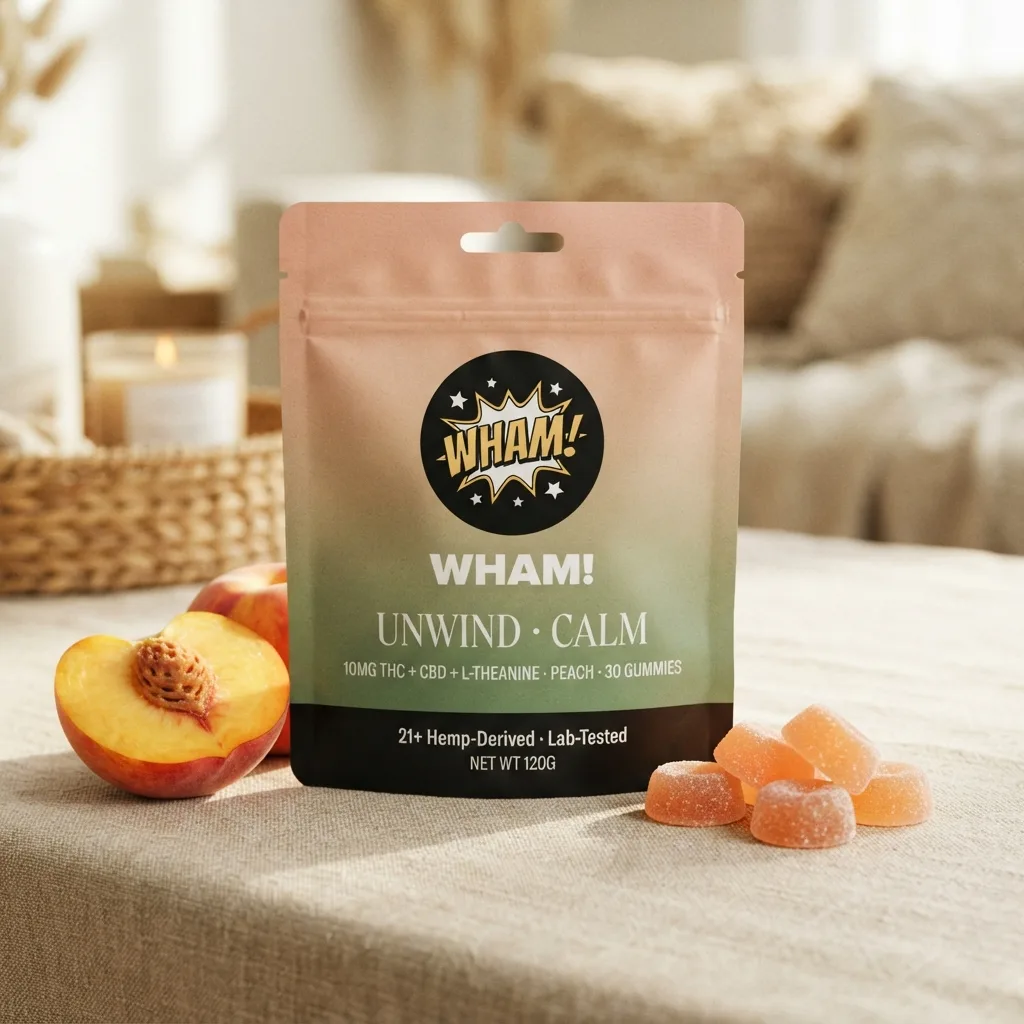
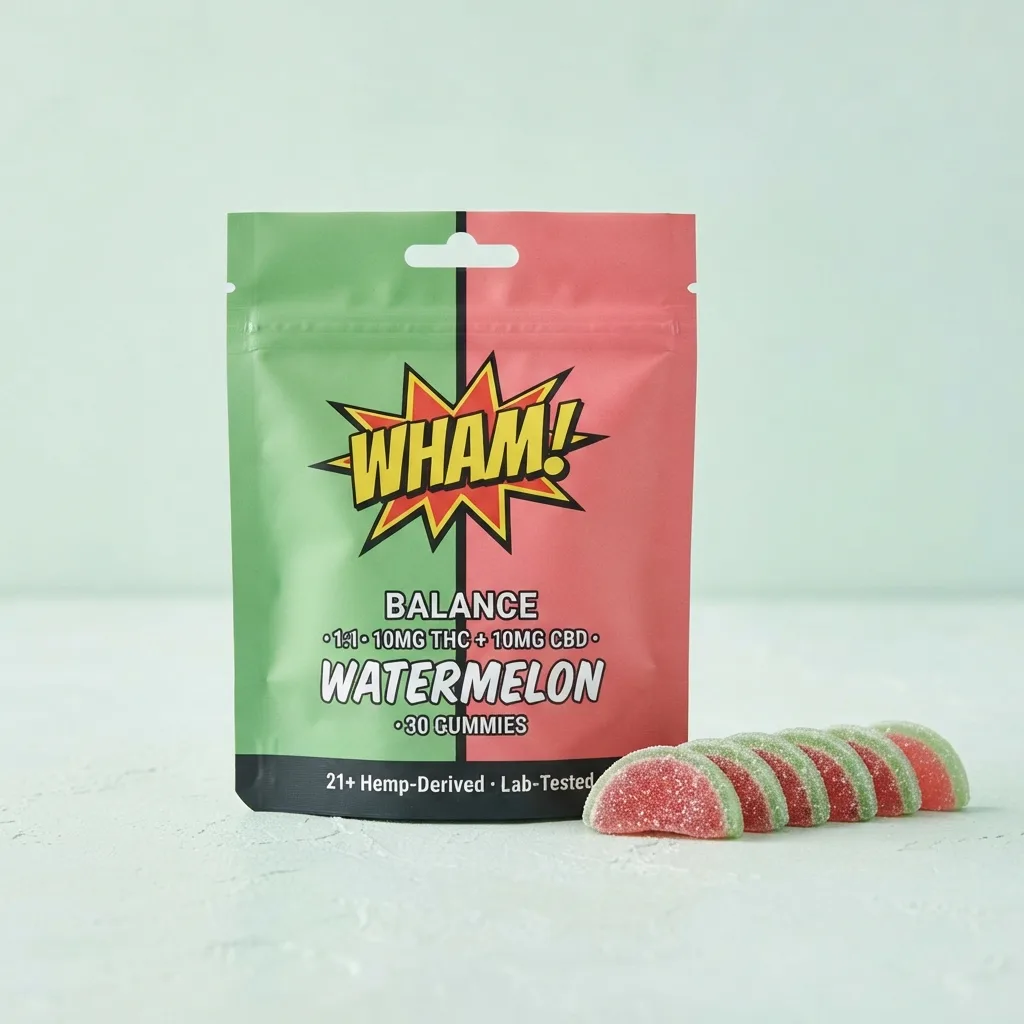
5 hand-picked products
Further reading
Resources & References
Quick answers
Frequently asked
Many people report falling asleep more easily, and it is one of the most common reasons cited for buying edibles. The research is still limited and mixed, particularly on sleep quality as opposed to time taken to fall asleep. Treat it as a widely reported effect, not an established one.
About ninety minutes before you want to be asleep. Edibles take forty-five to ninety minutes to arrive, so taking one at bedtime means it lands while you are trying to sleep rather than helping you get there — and often keeps you up instead.
Less than most people assume. Start at 2.5 to 5mg. Higher doses more often produce grogginess the next morning without improving the night, and can make sleep shallower rather than deeper. More is genuinely not better here.
CBN is marketed heavily as a sleep cannabinoid, but the evidence behind that reputation is thin. Some researchers argue the sedation people attribute to CBN comes largely from accompanying terpenes. Treat it as an anecdotal association rather than a proven effect.
Usually dose or timing. A large dose, or one taken too close to bedtime, is still active when your alarm goes. Reducing the dose and moving it earlier resolves it for most people. Hydration and a proper night's sleep help the fog clear.
Tolerance builds quickly with nightly use, so the dose that worked stops working within weeks and there is a real risk of escalating. Many people use it occasionally rather than routinely. If sleep is a persistent problem, that is a conversation for a clinician, not a gummy.
Keep reading
More from the editorial
Articles in Health Care & Medical and across the WHAM Read.
 Health Care & Medical3 min
THCa vs CBD vs CBN: Which Cannabinoid for What?
THCa vs CBD vs CBN explained: THCa becomes THC when heated for a full high, CBD is non-intoxicating calm, and CBN is a mild cannabinoid popularly used for sleep (though research is still early). Compare effects, legality, and which to choose.
 Health Care & Medical3 min
Is THC Flower Safe? Side Effects, Risks & What to Know
Is THCa flower safe? For healthy adults, lab-tested hemp THCa is about as safe as any cannabis — the effects are identical once it's heated. The real risks are overdoing the dose, buying from sellers who don't test, and using before you drive. Here's what to watch for and how to stay on the safe side.
 Health Care & Medical3 min
Does THC Show Up on a Drug Test? (2026 Truth)
Yes — if you smoke, vape, or heat THCa flower it converts to Delta-9 THC, and standard drug tests detect the THC metabolite it leaves behind. Being federally legal hemp doesn't matter to the test. This guide explains why, the real detection windows, and the only method that reliably works.

Get 5% off + the best reads in your inbox
Join 50,000+ subscribers. One short editorial email a week — unsubscribe any time.
No spam · unsubscribe in one click