
What Is CBN? The Cannabinoid Aged Flower Makes
CBN isn't grown — it's what THC becomes over time. Mildly sedating, barely intoxicating, and the reason old flower feels heavy instead of bright.
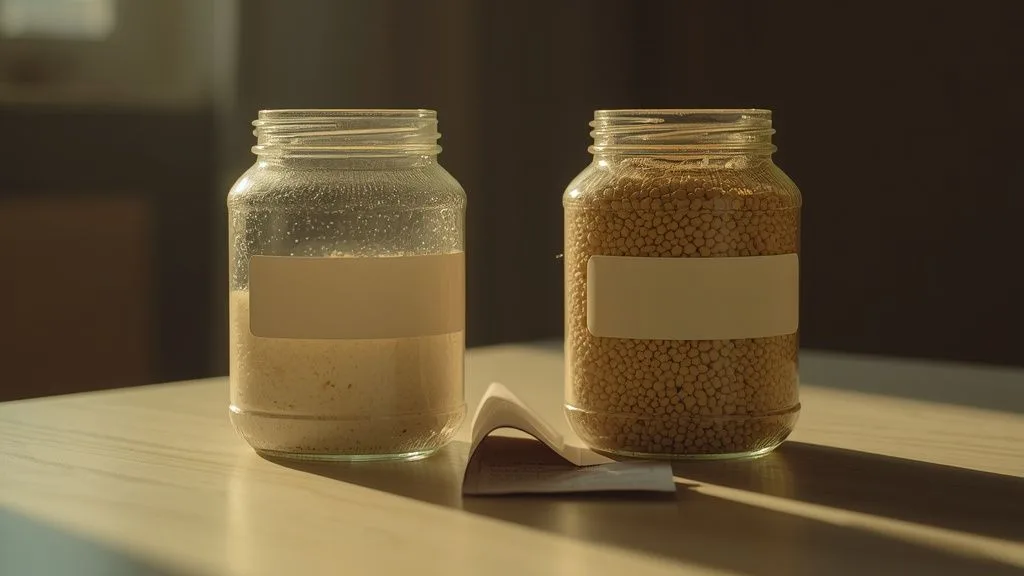
Short answer: CBN is what THC turns into when it gets old. The plant doesn't grow it in any real quantity — air, heat and light make it, slowly, after harvest. It's roughly a tenth as intoxicating as Delta-9, and it's the reason a forgotten jar feels heavy and dull instead of bright and loud.
Nobody buys flower for its CBN. You end up with it by waiting too long.
Where CBN actually comes from
CBN is a degradation product, not a cultivar trait. Fresh flower is dense with THCa, which converts to Delta-9 THC when you apply heat — the process we cover in what THCa turns into when heated. But THC has a second, much slower fate: exposed to oxygen and light over months, it oxidises into cannabinol. No smoking required — this happens in the jar.
That's why CBN tracks age rather than genetics. Two jars of the same cut, harvested the same week, will read differently on a lab panel a year later if one sat on a sunny shelf and the other stayed sealed and cool.
What it feels like
Duller, heavier, and much weaker than THC. Estimates put CBN at around a tenth of Delta-9's potency, so it isn't doing much lifting on its own. The change people describe in aged flower is less about raw strength and more about texture — the sharp, clear-headed edge goes, and what's left leans sedating.
The sleep reputation, honestly
CBN gets marketed hard as the sleep cannabinoid. The evidence for that is genuinely thin. Several researchers have argued the sedation people attribute to CBN comes largely from the terpene profile of the aged material it appears in, not the molecule itself. If you're chasing rest, dominant terpenes are the better lever — see terpenes and how they shape effects and our strains people reach for at night.
Nothing here is medical advice. THCa flower is a legal hemp product for adults, not a sleep treatment.
CBN vs CBD vs THCa
THCa: what fresh flower is full of. Not intoxicating until heated.
Delta-9 THC: what THCa becomes with heat. The intoxicating one.
CBN: what Delta-9 slowly becomes with age. Mildly intoxicating, sedating in character.
CBD: produced by the plant directly, non-intoxicating, a different molecule entirely — see
THCa vs CBD
The practical takeaway: CBN sits at the end of the chain. More of it means less of what you paid for.
Reading CBN on a lab report
Most full panels list it. A fresh batch usually shows a very low CBN figure. A noticeably elevated one tells you the flower has been stored a while — useful information a photo of the bag can't give you. We walk through the whole document in how to read a THCa lab report, and every WHAM batch publishes one at our lab tests.
Keeping CBN low
Airtight glass, not plastic bags — oxygen is the driver.
Around 62% relative humidity: springy, not brittle, and no mould risk.
Cool and dark. Light and heat accelerate the conversion.
Stop opening the jar. Every opening swaps in fresh oxygen.
Buy to your pace — a pound you'll finish in a year ages the whole time.
That's the same discipline that keeps terpenes intact, and it's covered end to end in how to store THCa flower and does THCa expire.
Keep reading & shop
Shop: Shop THCa flower
What the writer recommends
5 hand-picked products
Further reading
Resources & References
Quick answers
Frequently asked
CBN, or cannabinol, is a minor cannabinoid that forms when THC breaks down through exposure to air, heat and light. It is not something the plant produces in meaningful amounts while growing — it accumulates afterwards, which is why older flower carries more of it than a fresh batch.
Barely. CBN is estimated at roughly a tenth the potency of Delta-9 THC, so on its own it is only mildly intoxicating. What people notice is the character rather than the strength: a heavier, duller, more sedating feel compared with the brightness of fresh, THC-rich flower.
No. They are different molecules with different origins. CBD is produced by the plant directly and is non-intoxicating. CBN is a degradation product of THC and is mildly intoxicating. Sharing two letters in the name is the only thing they really have in common.
CBN is popularly marketed as a sleep cannabinoid, but the research behind that reputation is thin and much of the sedating effect people report may come from accompanying terpenes rather than CBN itself. Treat it as an anecdotal association, not a proven effect, and never as medical advice.
Time and exposure. Every day a jar spends warm, bright or open, a little more THC oxidises into CBN. Airtight glass at around 62% humidity, kept cool and dark, slows the conversion dramatically — which is the whole reason storage advice exists.
Usually yes. Most full cannabinoid panels list CBN alongside THCa, Delta-9 and CBD. A fresh batch typically shows a very low figure. A noticeably elevated CBN number on a COA is a useful hint that the flower has been sitting for a while.
Keep reading
More from the editorial
Articles in Education and across the WHAM Read.
 Education2 min
How Long Does a THC High Last? (2026 Timeline)
A smoked or vaped THC high usually peaks within 10 minutes and lasts about 1–3 hours; THC edibles run 4–8 hours. This guide breaks down how long a THC high lasts by method, what changes the duration, and how to come down faster if you need to.
 Education4 min
What Are WHAM Packs? Lil Baby Weed Packs, Sizes and Prices
A WHAM pack is a quarter pound to a full pound of Lil Baby's weed, mixed with some disposables and shipped in a double-sealed, nitrogen-sealed, smell-proof packet. Here are the sizes, how the pricing works, and how to order one.
Education4 minWhat Strain Is Lil Baby's Weed? The WHAM Strains Explained
Lil Baby's weed isn't a single strain — WHAM is his brand, with around 90 flower options on the menu. Most are hybrids, with indica picks like Alien ET and sativa picks like Sour Diesel. Here are the best sellers and how to pick one.

Get 5% off + the best reads in your inbox
Join 50,000+ subscribers. One short editorial email a week — unsubscribe any time.
No spam · unsubscribe in one click