
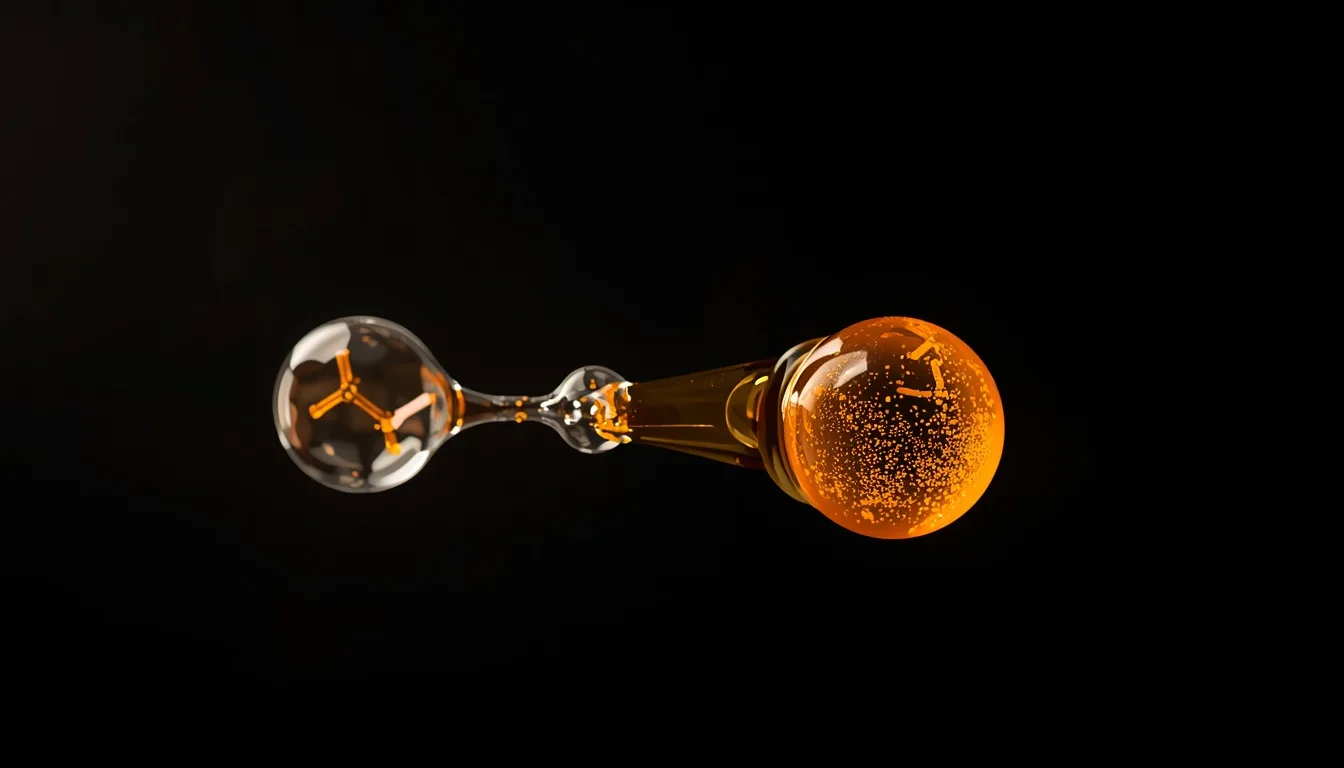
What Does THC Turn Into When Heated?
One reaction explains the whole thing: decarboxylation. Here's what THCa becomes, at what temperature, and why it matters.
The entire "how does THCa work" question comes down to one chemical reaction. When heated, THCa turns into delta-9 THC — the compound that actually gets you high — through a process called decarboxylation. Here's what's happening, at what temperature, and why it matters for potency, edibles, and drug tests.
Heat removes one carboxyl group from THCa, and raw acid becomes active THC. That single reaction is the whole secret.
The reaction: decarboxylation
Raw cannabis is full of THCa (tetrahydrocannabinolic acid), which carries an extra carboxyl group (–COOH). That group keeps THCa from binding efficiently to your brain's CB1 receptors, so raw THCa is non-psychoactive. Apply heat and the carboxyl group breaks off as carbon dioxide and water vapor — this is decarboxylation — leaving delta-9 THC, which binds to those receptors and produces the high. It's the same reason raw flower doesn't get you high but heated THCa does.
The temperatures
Starts converting around 220°F (104°C).
Efficient decarb zone roughly 240–290°F (115–145°C) over time — the range used for oven-decarbing before making edibles.
Smoking & vaping reach far higher instantly, so conversion happens on contact — no prep needed.
This is why edibles require an extra step: you must decarb the flower in the oven first, or the THCa never becomes THC and the edible won't work. Full method in How to Make THCa Edibles at Home.
How much actually converts
A carboxyl group is lost during decarb, so THCa converts to THC at about 87–88% by weight.
So ~1000 mg THCa yields ~877 mg THC in a complete conversion.
This is why a COA's "total THC" figure uses a conversion factor, not just the raw THCa number.
It's also why the THCa percentage on a lab report predicts real-world potency — learn to read one in How to Read a THCa Lab Report (COA).
Why it matters
This one reaction explains three practical things: why potency depends on heat and conversion, why edibles need decarbing, and why THCa shows on drug tests (consuming it creates the same THC metabolites tests look for — see the drug test guide). Want to try genuine lab-tested flower and concentrates? Browse the full menu.
Last updated 2026. Educational content only — not medical or legal advice. Hemp/THCa laws vary by state; confirm your local rules before ordering. Adults 21+.
Keep reading & shop
Shop: Shop THCa flower
What the writer recommends
7 hand-picked products
Further reading
Resources & References
Quick answers
Frequently asked
When heated, THCa turns into delta-9 THC — the psychoactive compound that gets you high. Heat removes a carboxyl group from the THCa molecule in a reaction called decarboxylation, converting the raw, non-intoxicating acid into active THC.
THCa begins converting around 220°F (104°C) and decarboxylates efficiently at roughly 240–290°F (115–145°C) over time. Smoking and vaping far exceed this instantly, so conversion happens on contact; oven decarbing for edibles is slower and needs controlled temperature.
Because a carboxyl group is lost during decarboxylation, THCa converts to THC at roughly 87–88% by weight — so 1000 mg of THCa yields around 877 mg of THC in a complete conversion. Real-world efficiency varies with heat and time.
It's why raw THCa doesn't get you high but smoked or baked THCa does — and why THCa shows up on drug tests, since consuming it creates the same THC metabolites tests detect. Understanding the conversion also helps you dose edibles and judge potency accurately.
Keep reading
More from the editorial
Articles in Education and across the WHAM Read.
 Education2 min
How Long Does a THC High Last? (2026 Timeline)
A smoked or vaped THC high usually peaks within 10 minutes and lasts about 1–3 hours; THC edibles run 4–8 hours. This guide breaks down how long a THC high lasts by method, what changes the duration, and how to come down faster if you need to.
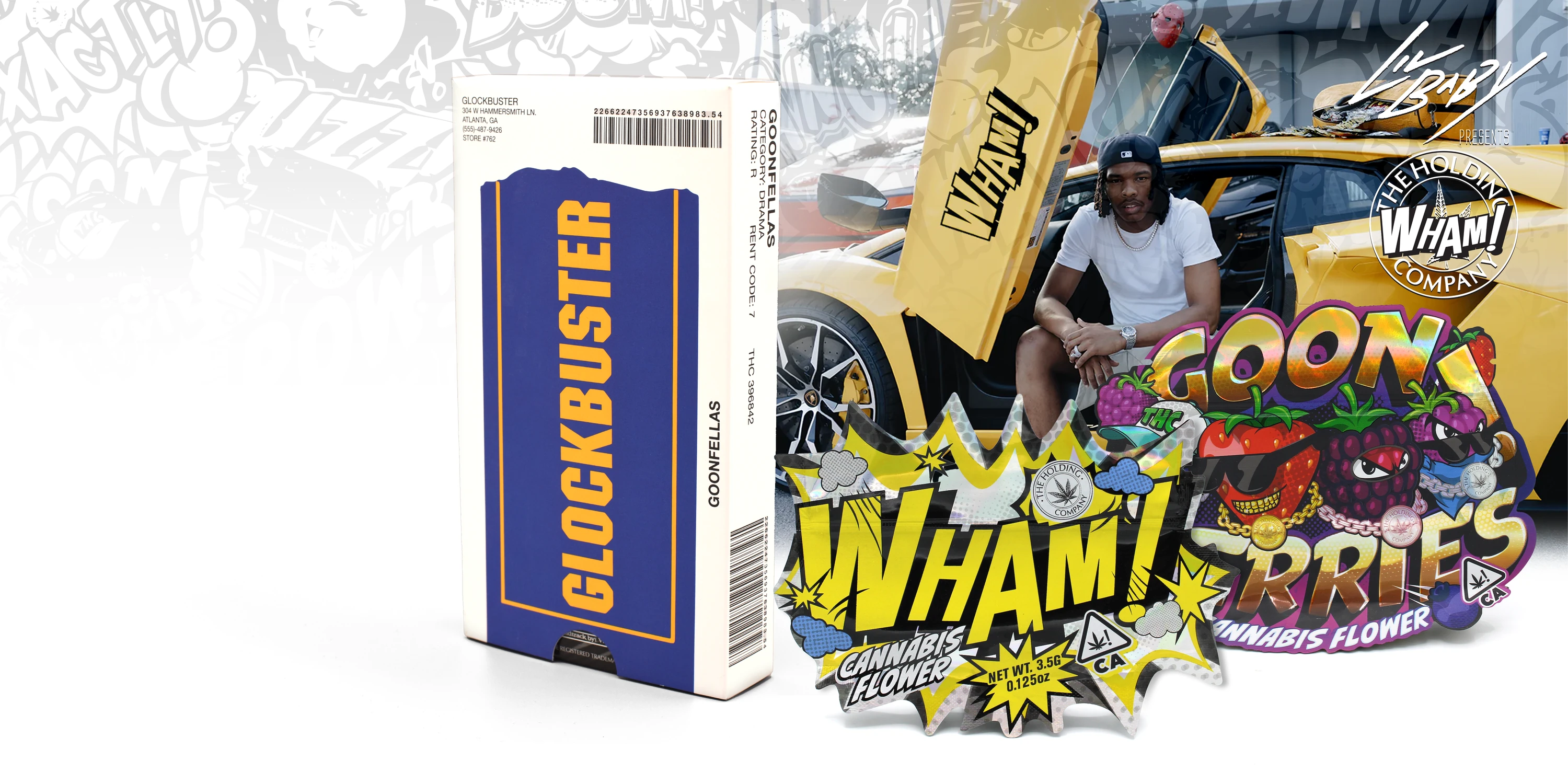 Education4 min
What Are WHAM Packs? Lil Baby Weed Packs, Sizes and Prices
A WHAM pack is a quarter pound to a full pound of Lil Baby's weed, mixed with some disposables and shipped in a double-sealed, nitrogen-sealed, smell-proof packet. Here are the sizes, how the pricing works, and how to order one.
Education4 minWhat Strain Is Lil Baby's Weed? The WHAM Strains Explained
Lil Baby's weed isn't a single strain — WHAM is his brand, with around 90 flower options on the menu. Most are hybrids, with indica picks like Alien ET and sativa picks like Sour Diesel. Here are the best sellers and how to pick one.

Get 5% off + the best reads in your inbox
Join 50,000+ subscribers. One short editorial email a week — unsubscribe any time.
No spam · unsubscribe in one click