
THC Wholesale Pricing: How the Tiers Actually Work
Why the same flower has four different prices, what drives the gap between greenhouse and indoor, and how to work out your real cost per gram before you commit.
The single most common wholesale question is "what does a pound cost" — and it has no single answer, because wholesale pricing is tiered and grade-dependent. Here is how to work out your actual number.
The headline price per pound tells you almost nothing. Your tier and your grade tell you everything.
Tiers: the price falls as volume rises
Wholesale runs in bands. One pound sits at the entry rate. Two to four is better. Five to nine better again. Ten or more is the deepest tier. The structure rewards commitment, which is why the right question is which band your order lands in — the live rate for each is shown on the wholesale flower collection.
Units work the same way: disposables and gummies price per piece against a case minimum rather than by weight.
Grade: the other half of the number
Greenhouse: sun-grown with supplemental light. Lowest cost, solid quality, the volume workhorse.
Light-dep: greenhouse with controlled light cycles. A step up in density and nose.
Indoor: fully climate-controlled. Densest, frostiest, most terpene-rich — and the priciest.
Smalls: the same flower in smaller buds. Often the best value per gram on the sheet.
The full comparison is in indoor vs greenhouse vs outdoor, and the smalls case in smalls vs top-shelf.
Calculating your real cost
Take the tier price for the quantity you will actually order.
Divide by 453.6 to get cost per gram.
Add shipping, packaging and jar costs.
Add expected shrinkage — moisture loss and unsellable material.
Compare that landed figure against your realistic retail price.
That landed number is the one that matters. A cheaper pound that arrives dry, ages on your shelf, or moves slowly is more expensive than a pricier pound that sells through — the freshness maths is in does THC flower expire.
What quietly erodes margin
Age on arrival: flower that sat in a warehouse is already through part of its good window.
Poor storage: terpenes fade and weight drops — storage guide
No batch COA: unsellable to any careful retailer, and a compliance risk you carry.
Over-ordering: a deeper tier is only cheaper if you sell it before it fades.
The freshness clock is part of the price
A pound is not a fixed asset. Terpenes evaporate, THCa slowly converts to CBN, and the flower you paid top tier for becomes progressively harder to sell at full price. Roughly six to twelve genuinely good months when stored properly, and considerably less when it is not.
That turns storage into a margin decision rather than a housekeeping one: airtight, around 62% humidity, cool and dark. The full method is in how to store THCa flower, the humidity detail in best humidity for THCa storage, and the degradation timeline in does THCa expire and what is CBN.
Judging a batch before you commit
Price only means something next to quality, and quality is assessable before you buy if you know what to ask for:
The batch COA — total THC, terpene percentages, contaminant panel, and the date.
Harvest or packaging date. A great strain stored a year is no longer a great bag.
Photographs of the actual lot, not stock imagery of the strain.
A sample where the supplier will send one, especially on a first order.
How to read a THCa lab report covers the document line by line, and how to spot high-quality THCa flower covers what to check when the box lands. Every batch we sell publishes its panel at our lab tests.
Buy the tier you can actually move
The deepest tier is not automatically the best deal. Ten pounds at the lowest per-gram rate loses to three pounds sold fresh if the rest is still sitting in six months. Match tier to turnover, then step up once you know your rate of sale.
The practical ordering process is in how to buy THC wholesale.
General information, not financial or legal advice. Resellers are responsible for their own licensing. Adults 21+ only.
Keep reading & shop
Shop: Shop THCa by the pound
What the writer recommends
5 hand-picked products
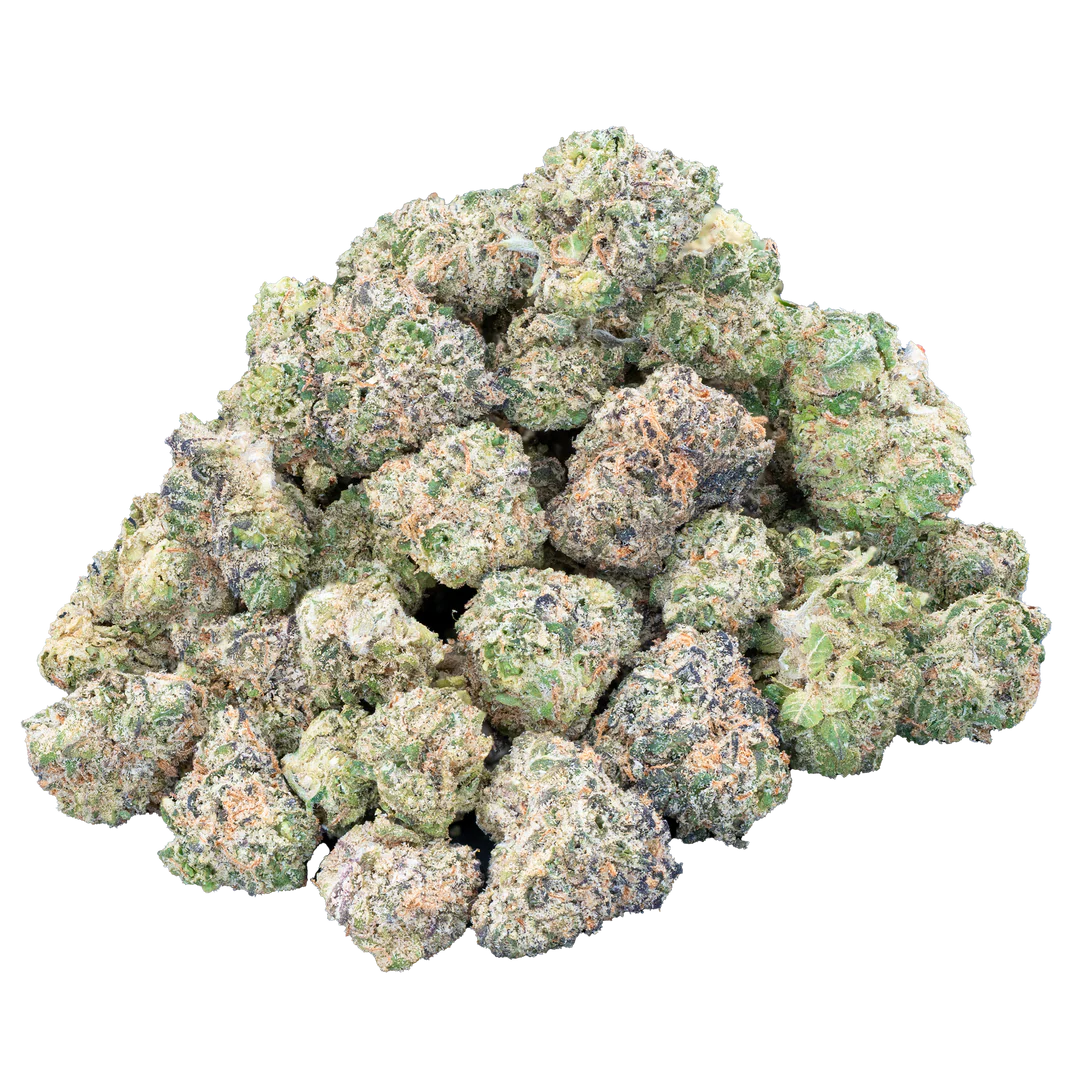
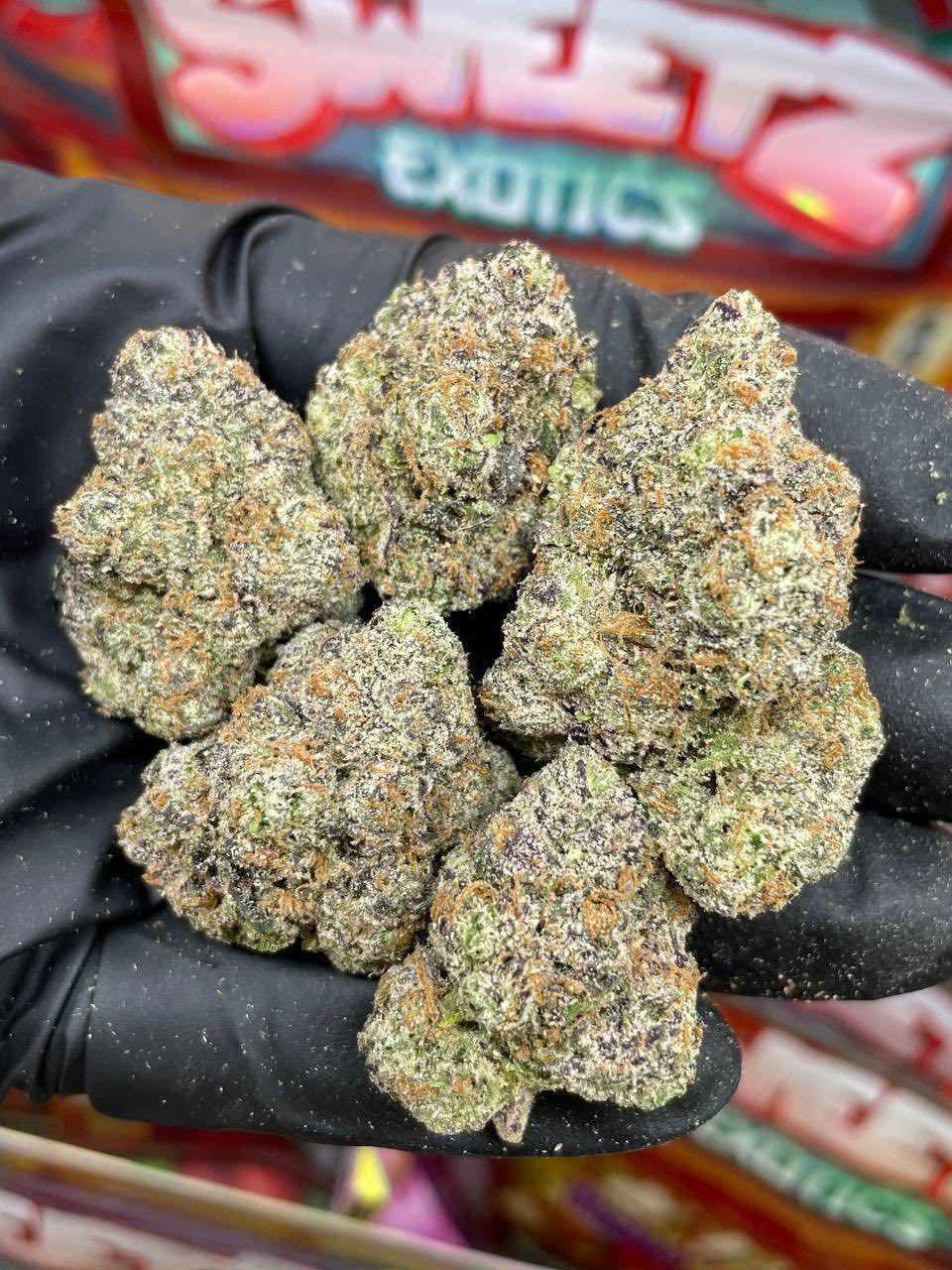
Further reading
Resources & References
Quick answers
Frequently asked
It is tiered by volume. A single pound sits at the entry rate, and the per-pound price falls as the order grows through several bands. The discount deepens with quantity rather than applying as one flat percentage, so order size determines your real cost.
Grade is the main driver. Greenhouse and light-deprivation flower cost meaningfully less to produce than indoor, and that gap carries through to wholesale. Freshness, trim quality and whether the batch has a current lab report also move the number.
There is no single figure, because grade and volume both move it. The useful comparison is cost per gram at your tier against the retail price you can realistically charge, not the headline per-pound number one supplier quotes against another.
It depends on your buyer. Indoor is denser, frostier and more terpene-rich, and sells at a higher retail price. If your customers buy on bag appeal, the premium usually returns. If they buy on price, greenhouse at a lower tier often nets more margin.
Divide the tier price by 453.6 grams to get cost per gram, then add shipping, packaging and your expected shrinkage. That landed figure — not the sticker price — is what you compare against your retail price to see the actual margin.
Keep reading
More from the editorial
Articles in Education and across the WHAM Read.
 Education2 min
How Long Does a THC High Last? (2026 Timeline)
A smoked or vaped THC high usually peaks within 10 minutes and lasts about 1–3 hours; THC edibles run 4–8 hours. This guide breaks down how long a THC high lasts by method, what changes the duration, and how to come down faster if you need to.
 Education4 min
What Are WHAM Packs? Lil Baby Weed Packs, Sizes and Prices
A WHAM pack is a quarter pound to a full pound of Lil Baby's weed, mixed with some disposables and shipped in a double-sealed, nitrogen-sealed, smell-proof packet. Here are the sizes, how the pricing works, and how to order one.
Education4 minWhat Strain Is Lil Baby's Weed? The WHAM Strains Explained
Lil Baby's weed isn't a single strain — WHAM is his brand, with around 90 flower options on the menu. Most are hybrids, with indica picks like Alien ET and sativa picks like Sour Diesel. Here are the best sellers and how to pick one.

Get 5% off + the best reads in your inbox
Join 50,000+ subscribers. One short editorial email a week — unsubscribe any time.
No spam · unsubscribe in one click