
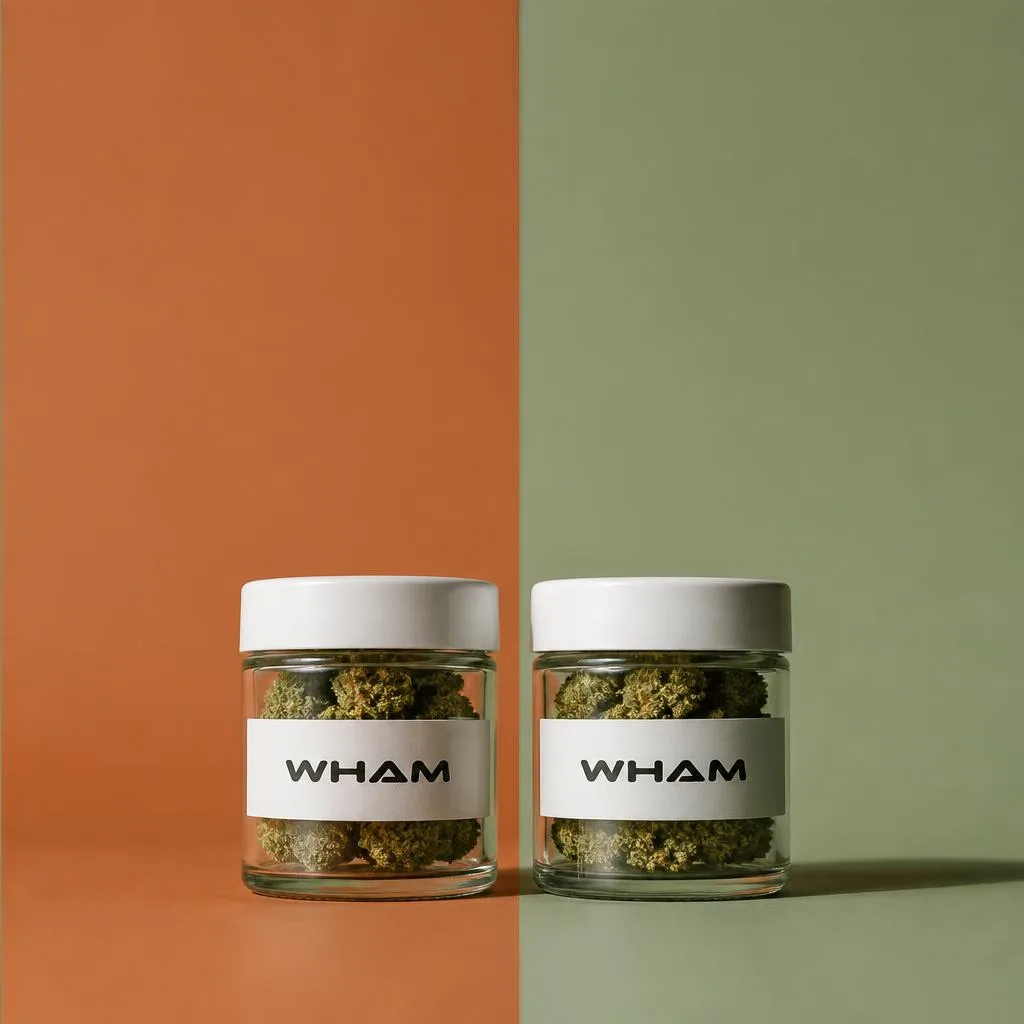
THC vs CBD: What Actually Separates Them
Same plant, same starting molecule, completely different experience. One gets you high and the other doesn't — and that's only where the differences start.
They come from the same plant and even the same precursor molecule — then diverge completely. THC gets you high. CBD does not. Almost everything else follows from that one fact.
Same origin, opposite jobs. One changes how you feel; the other mostly changes how the first one feels.
The mechanism, briefly
THC fits CB1 receptors closely. CBD barely does. CB1 receptors sit throughout the brain and nervous system, and activating them produces euphoria, altered time perception and appetite. CBD interacts with the endocannabinoid system by other routes, which is why it can feel settling without being intoxicating. It is not a weaker THC — it is a different job.
Side by side
Intoxicating: THC yes, CBD no. This is the whole headline.
Typical use: THC for effect and enjoyment; CBD for calm without impairment.
Legality: both federally legal under the 0.3% delta-9 hemp limit.
Drug tests: THC is detected. CBD isn't — but full-spectrum CBD carries THC.
Onset: similar by format; both are faster inhaled than eaten.
Together: CBD is widely reported to take the edge off THC anxiety.
The full-spectrum trap
This is the one that catches people out. A full-spectrum CBD product can legally contain up to 0.3% THC. Taken daily at a decent dose, that is enough to accumulate and trigger a positive on a sensitive screen — people have genuinely lost jobs over it. If you are tested, choose broad-spectrum or isolate, and read the panel rather than the front label. Detection windows are in how long THC stays in your system and does THCa show up on a drug test.
Choosing between them
Want the high? THC.
Want function with no impairment? CBD.
THC makes you anxious? Try a product with both before writing THC off entirely.
Subject to drug testing? Neither, honestly — see the guide above.
Not sure? Start with a low THC dose; it is easier to judge than a CBD dose.
Our raw-cannabinoid comparison is in THCa vs CBD, the wider family in the types of THC, and the compound that appears as flower ages in what is CBN.
Why the ratio matters more than either number
A 1:1 product and a THC-dominant one behave differently even at the same total cannabinoid content. That interaction — cannabinoids and terpenes shaping each other — is the entourage effect, and it explains why two products with identical THC figures can land in completely different places. Full argument in the entourage effect explained.
It also explains a common disappointment: buying on the biggest THC number and finding it flat. Terpene content and freshness move the result at least as much — see why is my THCa not getting me high.
Read the lab report either way
Whichever you choose, the certificate of analysis is what tells you the real ratio. Products in this category are routinely mislabelled; panels are not. How to read a lab report walks through it, and every WHAM batch publishes one at our lab tests. If you want to see what a full panel looks like on real stock, our THC flower lists it per batch.
General information, not medical advice. Adults 21+ only.
Keep reading & shop
Shop: Shop THCa flower
What the writer recommends
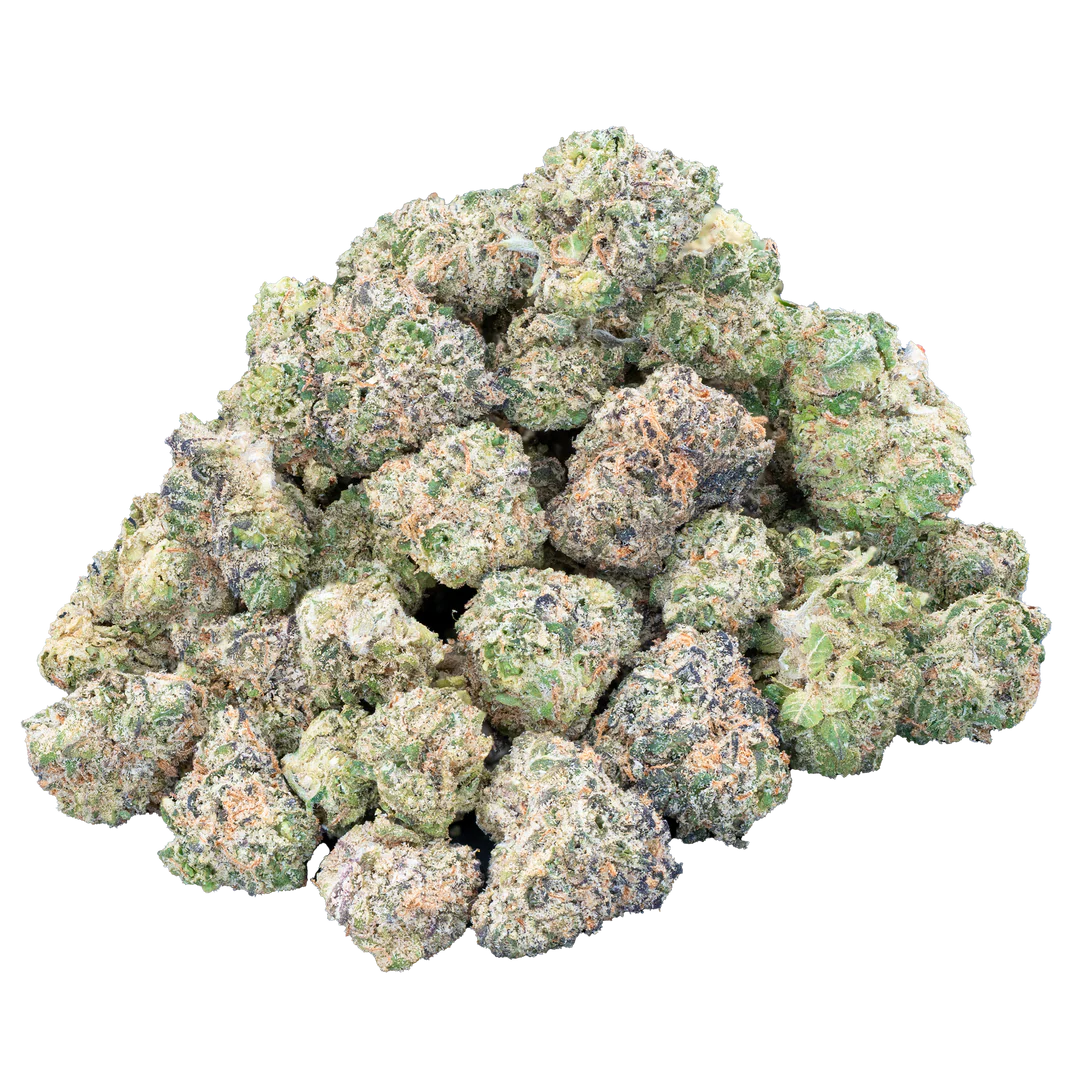
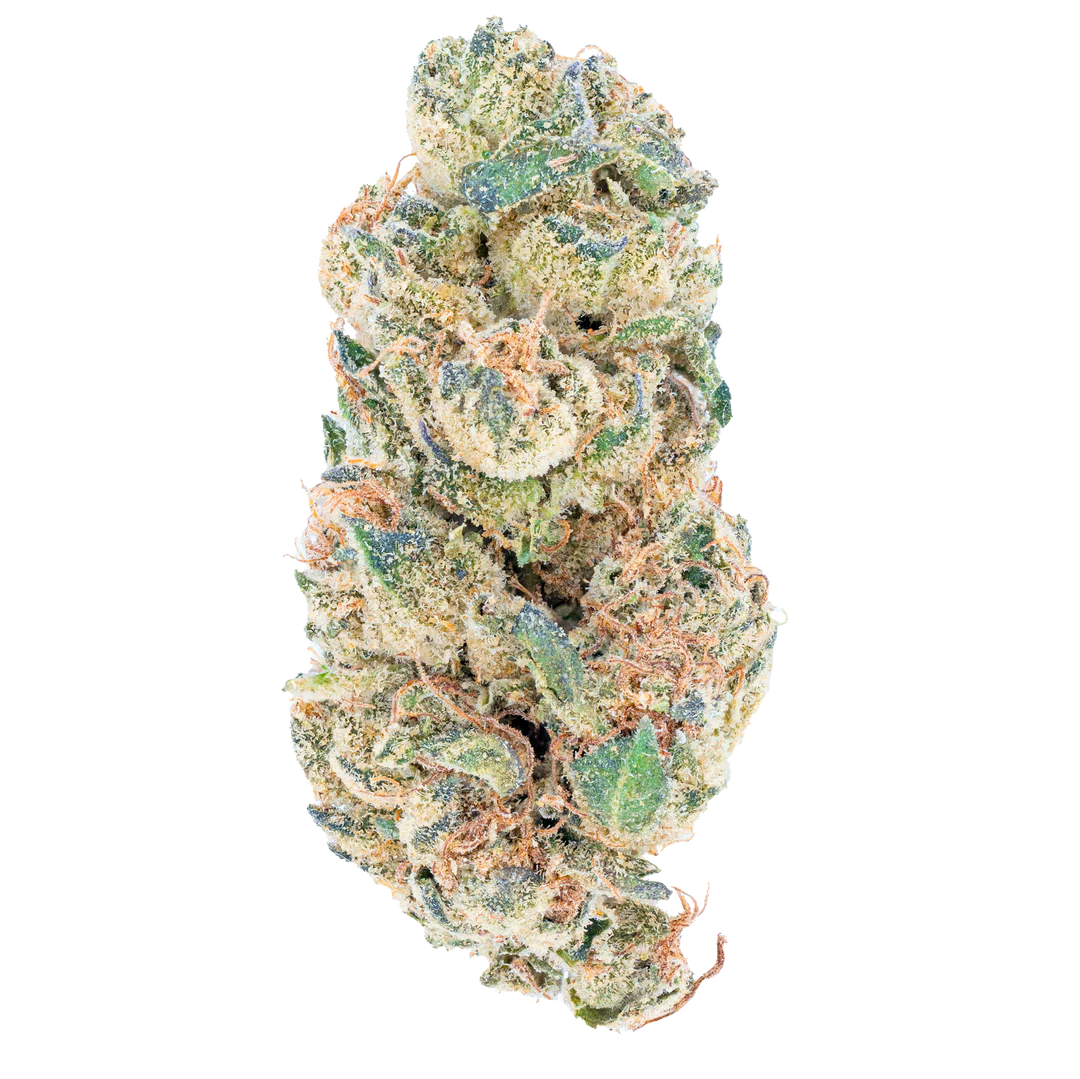
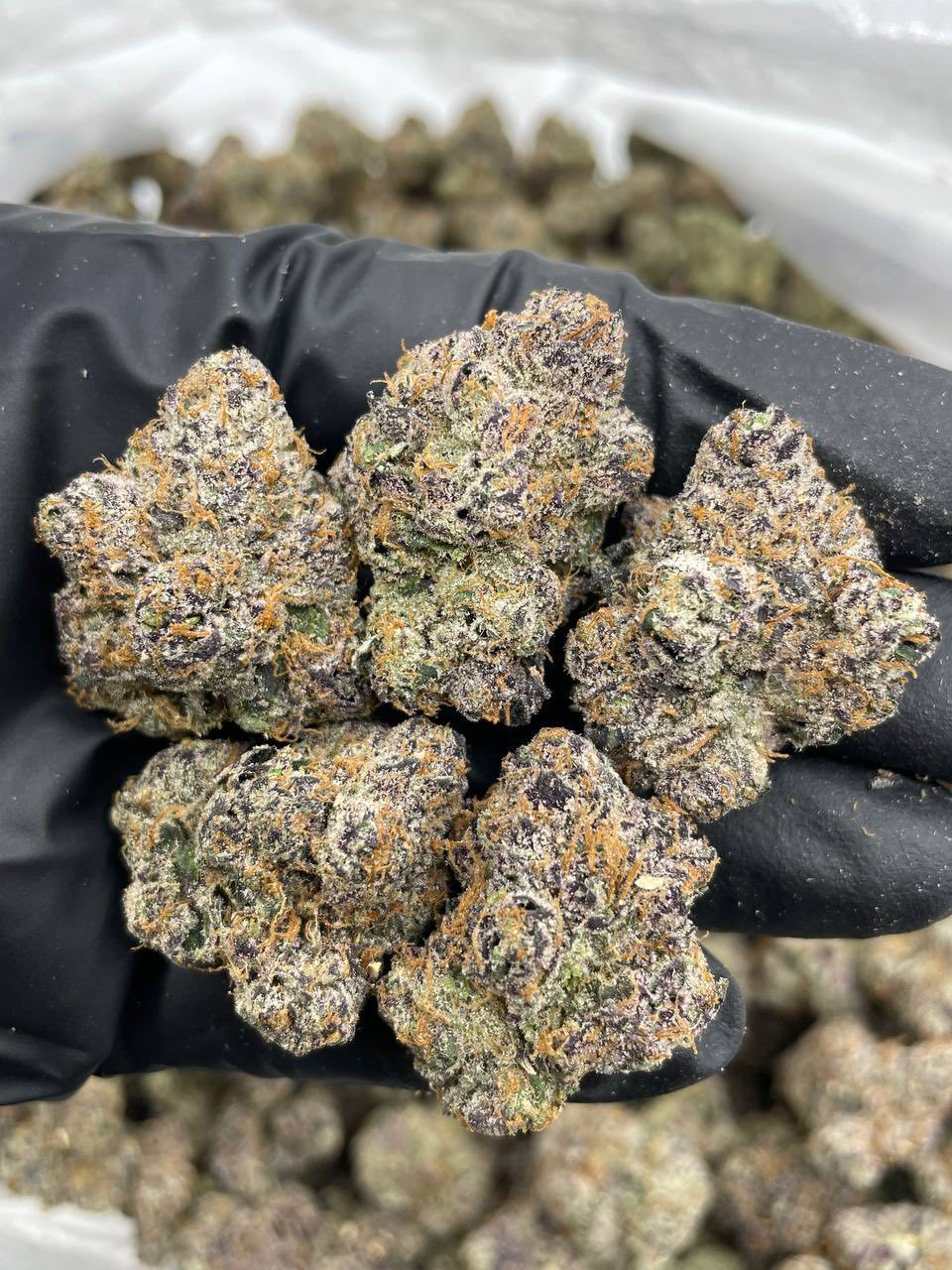
5 hand-picked products
Further reading
Resources & References
Quick answers
Frequently asked
THC binds strongly to CB1 receptors in the brain and is intoxicating. CBD barely binds them and produces no high. Both come from the same plant and the same precursor molecule, but that single difference in receptor affinity changes everything about how they feel.
No. CBD is non-intoxicating at any normal dose. People commonly describe it as calming or settling rather than euphoric. If a CBD product makes you feel high, it very likely contains THC as well — check the certificate of analysis.
Pure CBD is not what standard tests look for. However, full-spectrum CBD products legally contain up to 0.3% THC, and daily use can accumulate enough to trigger a positive on a sensitive screen. Choose broad-spectrum or isolate if you are tested.
Yes, and many products combine them deliberately. CBD is widely reported to soften the sharper edges of a THC experience, particularly anxiety. The combination is one of the most commonly cited examples of cannabinoids influencing one another.
If you want the intoxicating effect, THC. If you want something non-intoxicating you can take during a working day, CBD. If THC alone runs anxious for you, a product carrying both is worth trying before giving up on THC entirely.
Both are federally legal when hemp-derived and under 0.3% delta-9 THC by dry weight. In practice CBD faces fewer state restrictions because it is non-intoxicating, while several states specifically restrict hemp THC products. Check your own state either way.
Keep reading
More from the editorial
Articles in Education and across the WHAM Read.
 Education2 min
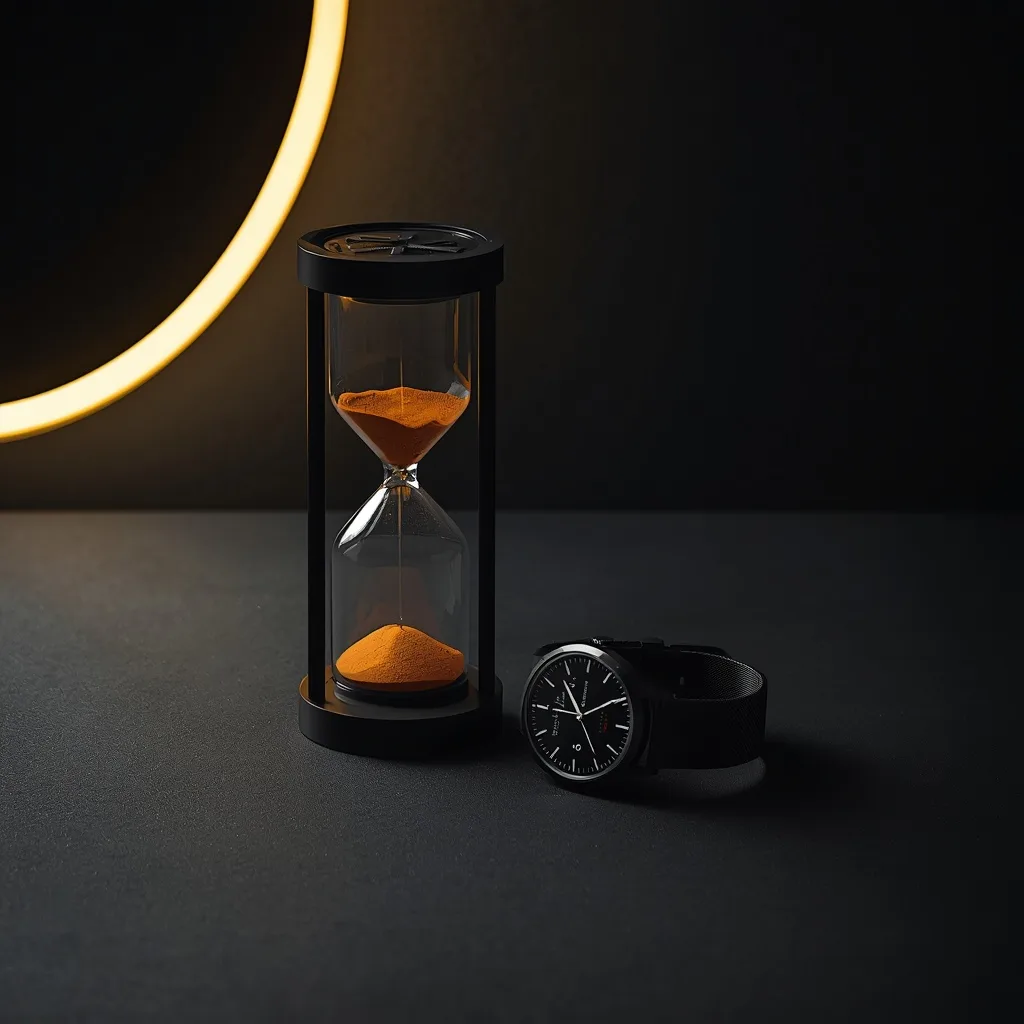
How Long Does a THC High Last? (2026 Timeline)
A smoked or vaped THC high usually peaks within 10 minutes and lasts about 1–3 hours; THC edibles run 4–8 hours. This guide breaks down how long a THC high lasts by method, what changes the duration, and how to come down faster if you need to.
 Education4 min
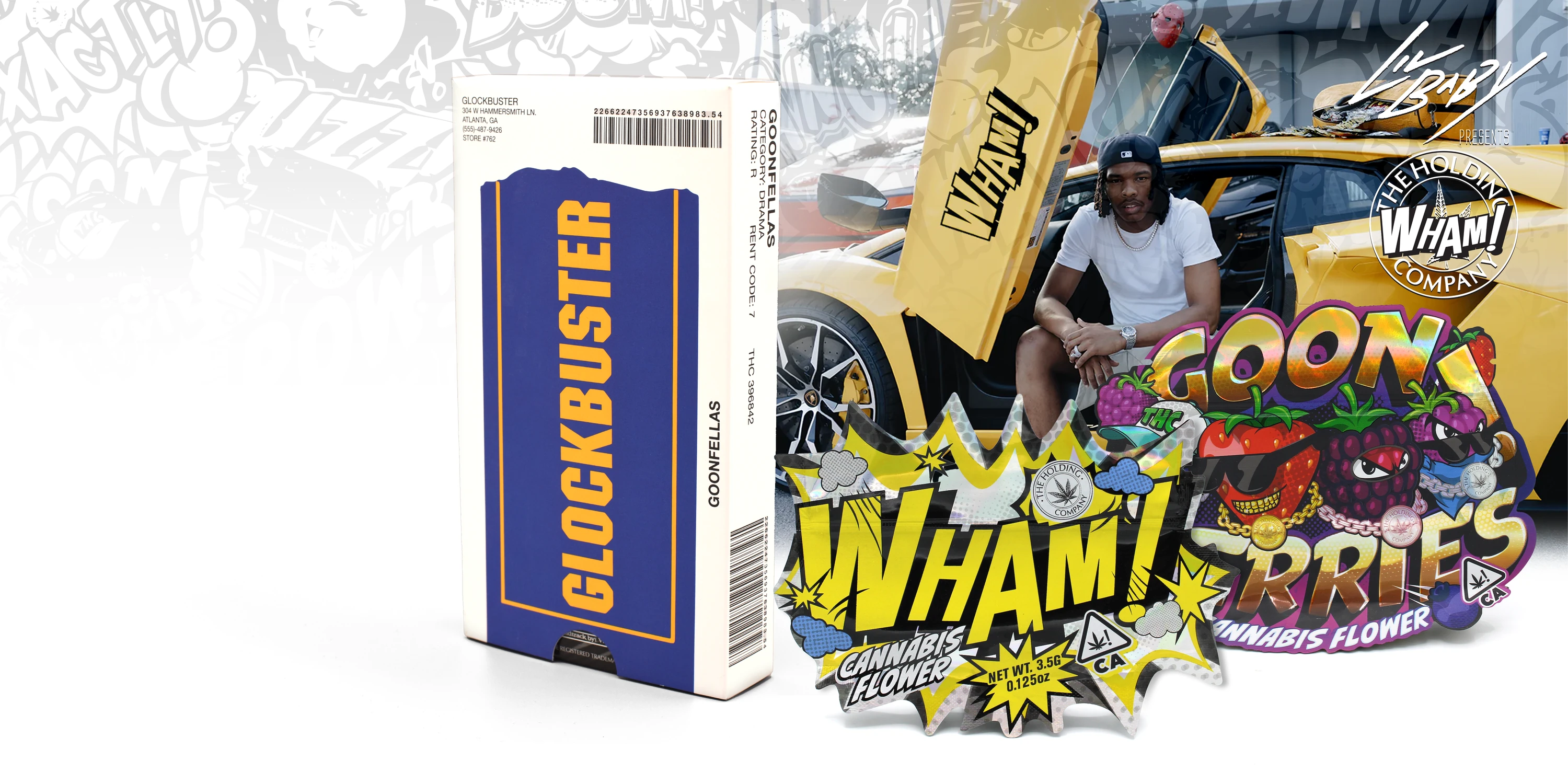
What Are WHAM Packs? Lil Baby Weed Packs, Sizes and Prices
A WHAM pack is a quarter pound to a full pound of Lil Baby's weed, mixed with some disposables and shipped in a double-sealed, nitrogen-sealed, smell-proof packet. Here are the sizes, how the pricing works, and how to order one.
Education4 minWhat Strain Is Lil Baby's Weed? The WHAM Strains Explained
Lil Baby's weed isn't a single strain — WHAM is his brand, with around 90 flower options on the menu. Most are hybrids, with indica picks like Alien ET and sativa picks like Sour Diesel. Here are the best sellers and how to pick one.
Get 5% off + the best reads in your inbox
Join 50,000+ subscribers. One short editorial email a week — unsubscribe any time.
No spam · unsubscribe in one click