
What Is THC? The Plain-English Guide
THC is the compound that actually gets you high — but it isn't what's in the jar when you buy it. Here's what THC is, where it comes from, and how the legal kind reaches your door.
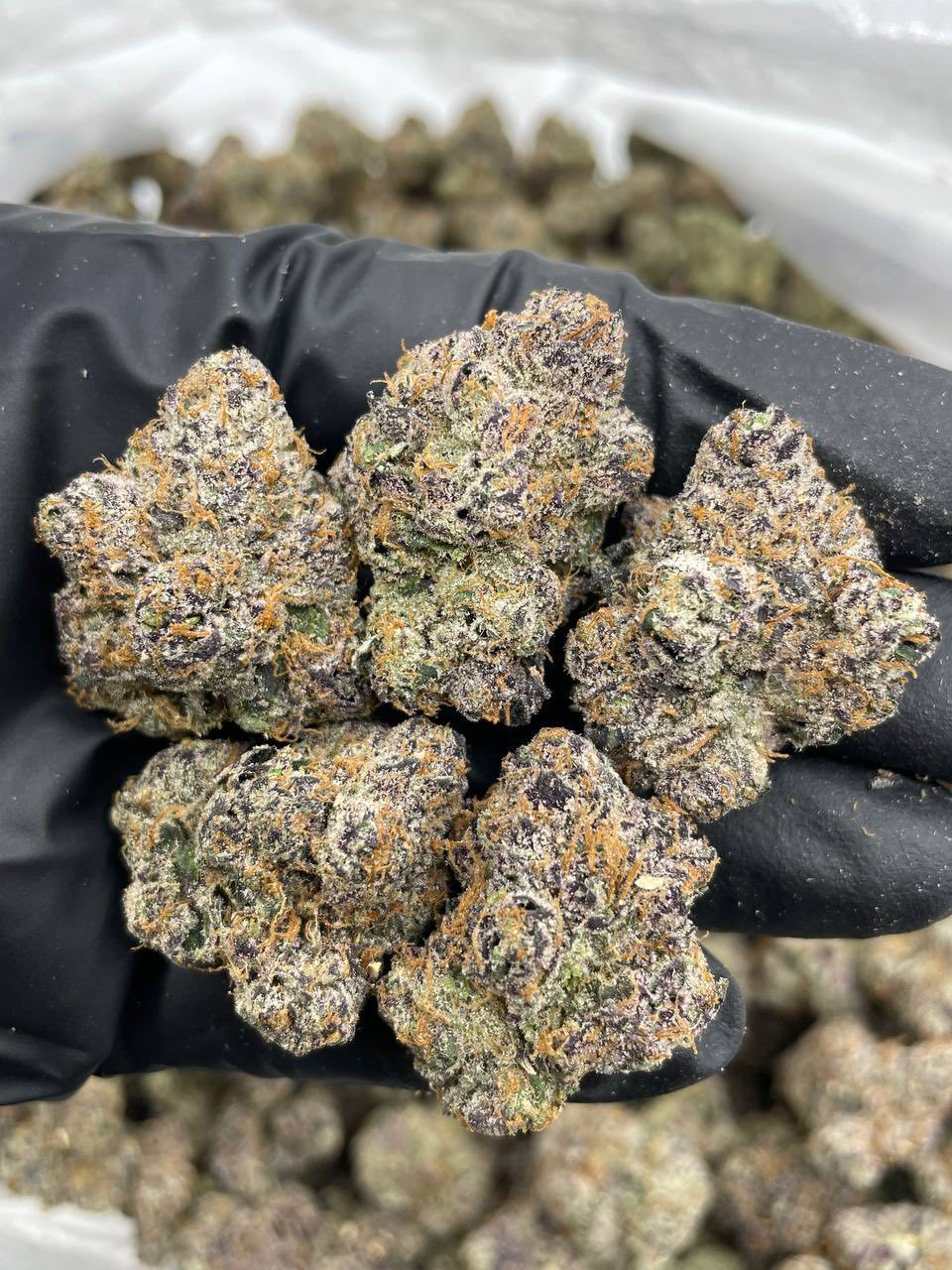
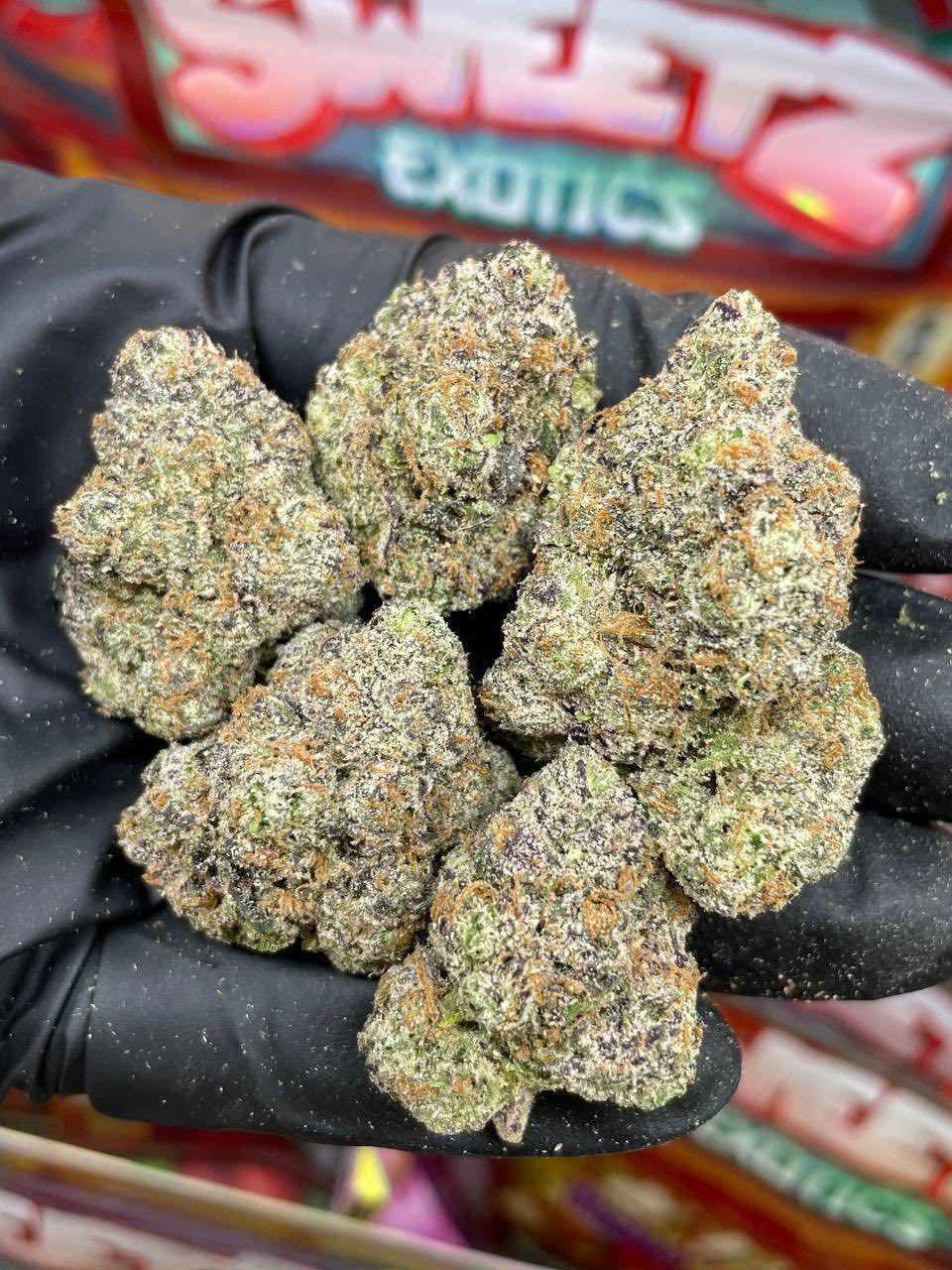
THC is the compound that gets you high — delta-9-tetrahydrocannabinol, to give it its full name. But here's the part most guides skip: it is barely present in the flower you buy. What's in the jar is THCa, the acid form. THC appears the moment you apply heat.
You don't buy THC. You buy its precursor, and you make the THC yourself — with a lighter.
THC vs THCa: the conversion
The living plant produces THCa, which is not intoxicating. Heat strips a carboxyl group from the molecule and turns it into THC. Smoking, vaping and baking all do this. It's why eating raw flower does nothing and why a joint works — the full chemistry is in what THCa turns into when heated.
This is also the mechanism behind hemp's legal position: a flower can test at under 0.3% delta-9 THC while carrying 20%+ THCa. Compliant on paper, potent in practice. Our full breakdown of the raw compound is in what is THCa, and the side-by-side is in THCa vs delta-9 THC.
How THC works
It binds to CB1 receptors in the brain and nervous system. Those receptors are part of the endocannabinoid system, which helps regulate mood, appetite, pain signalling and memory. THC fits them closely enough to activate them — which is why the effects touch so many different things at once.
What it feels like
Commonly: euphoria, relaxation, heightened senses, hunger, altered sense of time.
At higher doses: anxiety, a racing heart, dry mouth, sedation.
Onset: minutes when inhaled; an hour or more for edibles — see
how long edibles lastDuration: roughly 1-3 hours inhaled, far longer for edibles.
Dose decides the experience more than strain does. If you're new, start with one small hit and wait — the reasoning is in how much THCa a beginner should smoke.
The types you'll actually see sold
Delta-9 THC: the classic, most potent common form.
THCa: the raw precursor; becomes delta-9 with heat.
Delta-8 THC: a milder isomer — compared in
THCa vs delta-8 vs delta-9HHC: a hydrogenated relative — see
THCa vs HHCCBD: non-intoxicating and a different molecule entirely — see
THCa vs CBD
Why hemp-derived THC is legal
The 2018 Farm Bill removed hemp from the federal controlled-substances definition and drew the line at 0.3% delta-9 THC by dry weight. At or below that, it's hemp and ships legally. Above it, it's marijuana. Nothing about potency of effect changes that test — only the measured number does, which is why every batch carries a lab report. See the 2018 Farm Bill explained and our lab tests.
Federal law sets a floor; your state can be stricter.
Check your state before ordering — see the state guide below.
Keep the batch COA with the product.
If you're drug tested, THC is THC regardless of source.
State-by-state detail is in is THCa legal in your state, and the testing question in does THCa show up on a drug test.
General information, not medical or legal advice. Adults 21+ only.
Keep reading & shop
Shop: Shop THCa flower
What the writer recommends
5 hand-picked products
Further reading
Resources & References
Quick answers
Frequently asked
THC is delta-9-tetrahydrocannabinol, the compound in cannabis responsible for the intoxicating high. It works by binding to CB1 receptors in the brain and nervous system. It is the reference point every other cannabinoid gets compared against, and the one hemp law measures.
No, though they are directly related. THCa is the acid form the living plant produces and it is not intoxicating on its own. Applying heat removes a carboxyl group and converts THCa into THC. Raw flower is mostly THCa; the THC appears when you smoke, vape or bake it.
Effects vary by dose, product and person, but commonly include euphoria, relaxation, heightened senses, hunger and altered time perception. Larger doses more often bring anxiety, a racing heart or sedation. Inhaled THC is felt within minutes; edibles can take an hour or more.
Hemp-derived THC is federally legal under the 2018 Farm Bill when the product contains no more than 0.3% delta-9 THC by dry weight. Marijuana-derived THC remains federally controlled. States write their own rules on top of that, and several restrict hemp THC products.
Delta-9 is the classic form. Delta-8 is a milder isomer. THCa is the raw precursor that becomes delta-9 with heat. THCV, THCP and HHC are related compounds with different potencies and effects. They are distinct molecules, not marketing names for the same thing.
Compliant hemp flower stays at or below 0.3% delta-9 THC by dry weight, but it can carry 20% or more THCa. Once heated, that THCa converts, which is why lab-tested hemp flower delivers a real effect while still meeting the federal definition.
Keep reading
More from the editorial
Articles in Education and across the WHAM Read.
 Education2 min
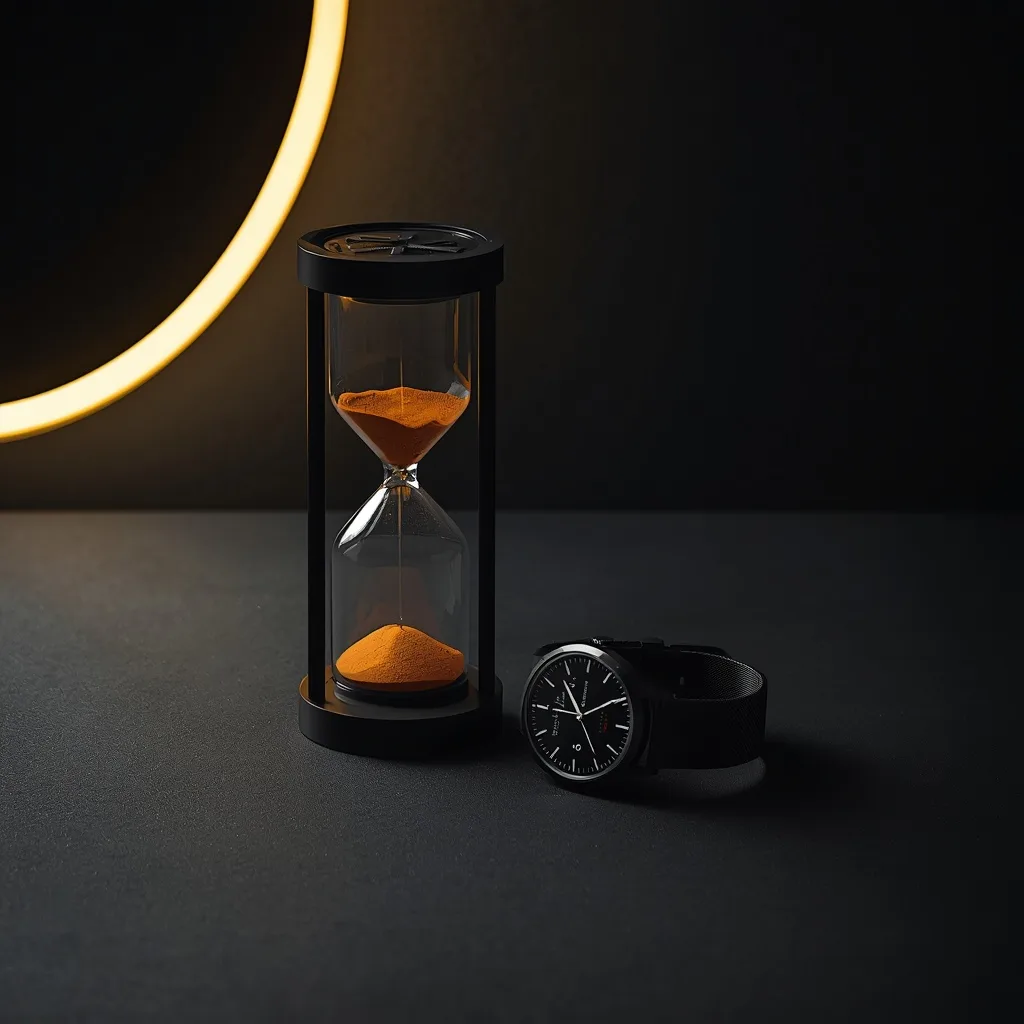
How Long Does a THC High Last? (2026 Timeline)
A smoked or vaped THC high usually peaks within 10 minutes and lasts about 1–3 hours; THC edibles run 4–8 hours. This guide breaks down how long a THC high lasts by method, what changes the duration, and how to come down faster if you need to.
 Education4 min
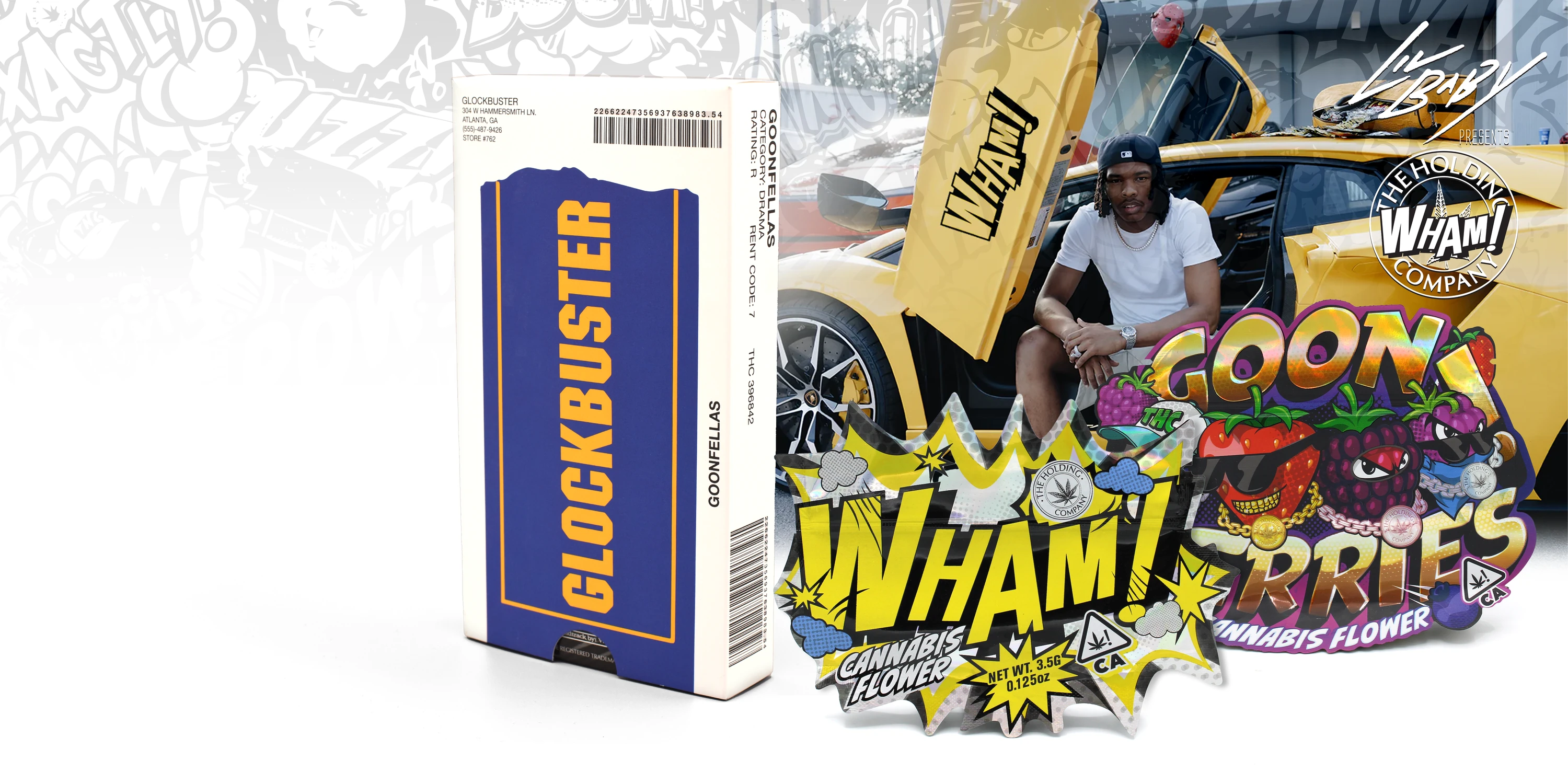
What Are WHAM Packs? Lil Baby Weed Packs, Sizes and Prices
A WHAM pack is a quarter pound to a full pound of Lil Baby's weed, mixed with some disposables and shipped in a double-sealed, nitrogen-sealed, smell-proof packet. Here are the sizes, how the pricing works, and how to order one.
Education4 minWhat Strain Is Lil Baby's Weed? The WHAM Strains Explained
Lil Baby's weed isn't a single strain — WHAM is his brand, with around 90 flower options on the menu. Most are hybrids, with indica picks like Alien ET and sativa picks like Sour Diesel. Here are the best sellers and how to pick one.

Get 5% off + the best reads in your inbox
Join 50,000+ subscribers. One short editorial email a week — unsubscribe any time.
No spam · unsubscribe in one click