
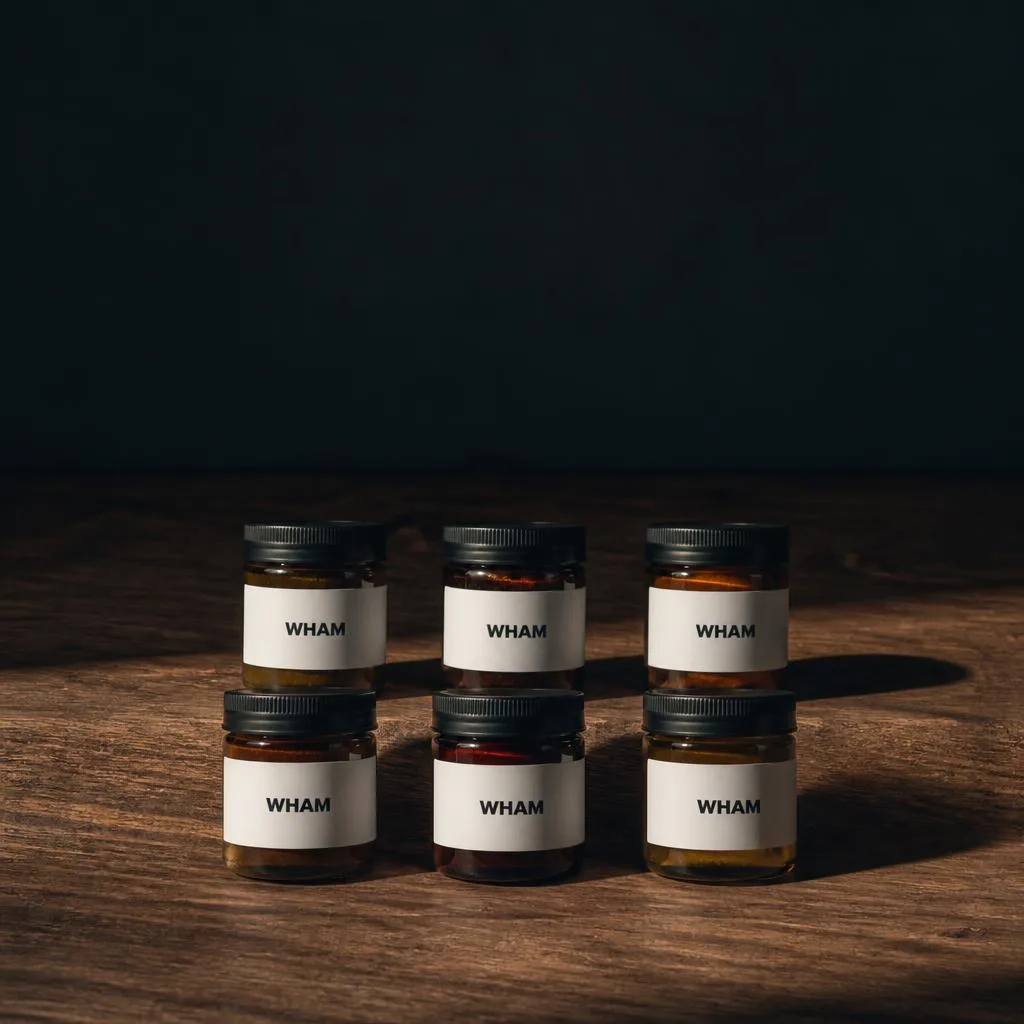
The Types of THC, Sorted Out
Delta-9, delta-8, THCa, THCV, THCP, HHC. Most shelves now carry four or five of them with no explanation. Here's what each one actually is and which to buy.
THC is a family, not a compound. Shelves now carry four or five members with no explanation, and the names are close enough to be genuinely confusing. Here is each one, plainly, and an honest answer on which is worth buying.
They are different molecules with different potencies — not four brand names for the same thing.
The ones that matter
Delta-9 THC — the reference. The classic, most potent common form, and the exact molecule federal hemp law measures. See
delta-9 explainedTHCa — the raw precursor. What living plants and fresh flower actually contain. Not intoxicating until heated, when it becomes delta-9 —
what THCa turns into when heatedDelta-8 THC — the mild one. Same molecule, double bond one carbon over. Noticeably lighter and often described as clearer.
Delta-10 THC — lighter still, typically reported as more uplifting and the least intense of the three isomers.
THCV — the outlier. Structurally different, reported as more stimulating and appetite-suppressing rather than appetite-inducing.
THCP — the strong one. Naturally occurring but far more potent than delta-9 by most accounts. Treat unfamiliar products with real caution.
HHC — the relative. Hydrogenated rather than a true THC, sitting near delta-8 in strength —
THCa vs HHC
A rough potency order
THCP — reported strongest by a wide margin.
Delta-9 — the benchmark everything else is measured against.
HHC — near delta-8, somewhat stronger by most accounts.
Delta-8 — clearly milder than delta-9.
Delta-10 — the lightest of the common isomers.
THCa — none at all until heated, then it is delta-9.
Potency also depends on dose, product and tolerance. Treat this as ordering, not arithmetic — and see the dosage guide for what any of it means in practice.
Why there are suddenly so many
This is the part that explains the shelf. The federal limit measures delta-9 specifically — so cannabinoids the rule does not name created commercial room, and the market filled it fast. Some, like THCa, are simply abundant in the plant. Others are converted in a lab from CBD.
That distinction matters for quality. Naturally abundant cannabinoids arrive with the plant; converted ones depend entirely on the processor's competence and cleanup. It is why per-batch testing matters more in this corner of the market than anywhere else, and why we publish a panel for every batch at our lab tests.
Where the legality sits
All of these are federally legal when hemp-derived and the finished product stays at or below 0.3% delta-9 THC by dry weight — the 2018 Farm Bill line, covered in the Farm Bill explainer and is THC legal. But states write stricter rules, and several have specifically targeted converted cannabinoids like delta-8. Check your state first — and note that shipping follows the same rules: can THCa be shipped.
What we'd actually recommend
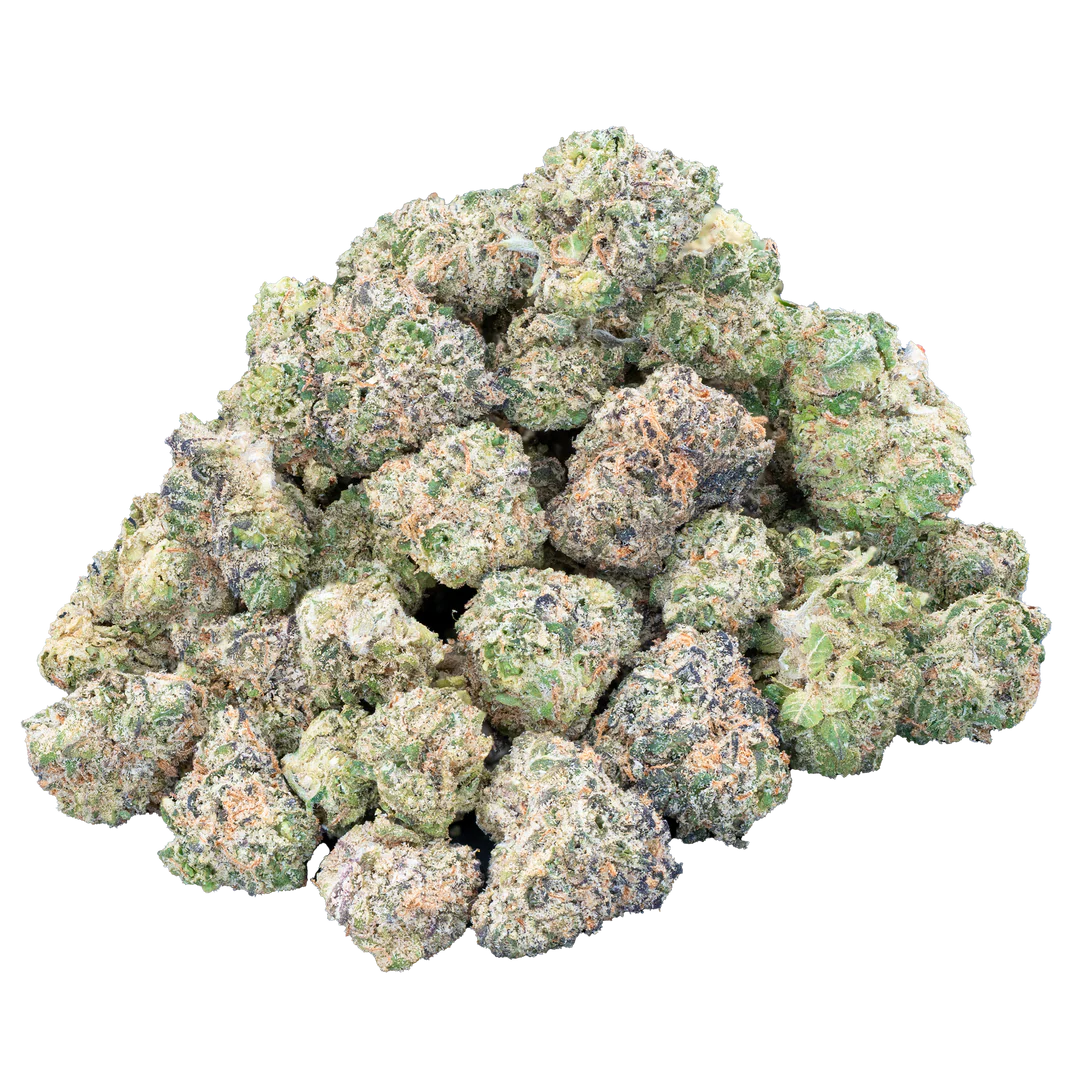
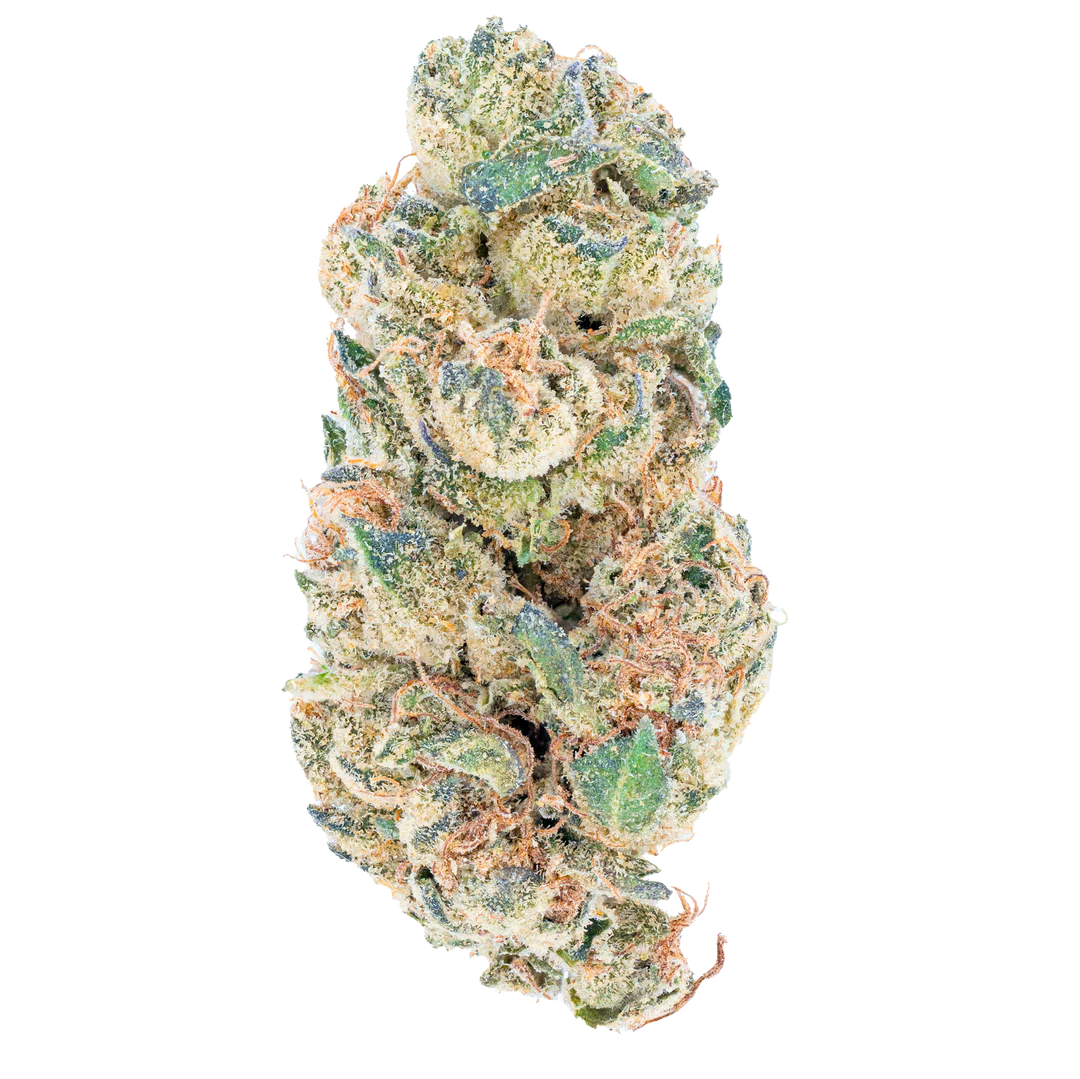
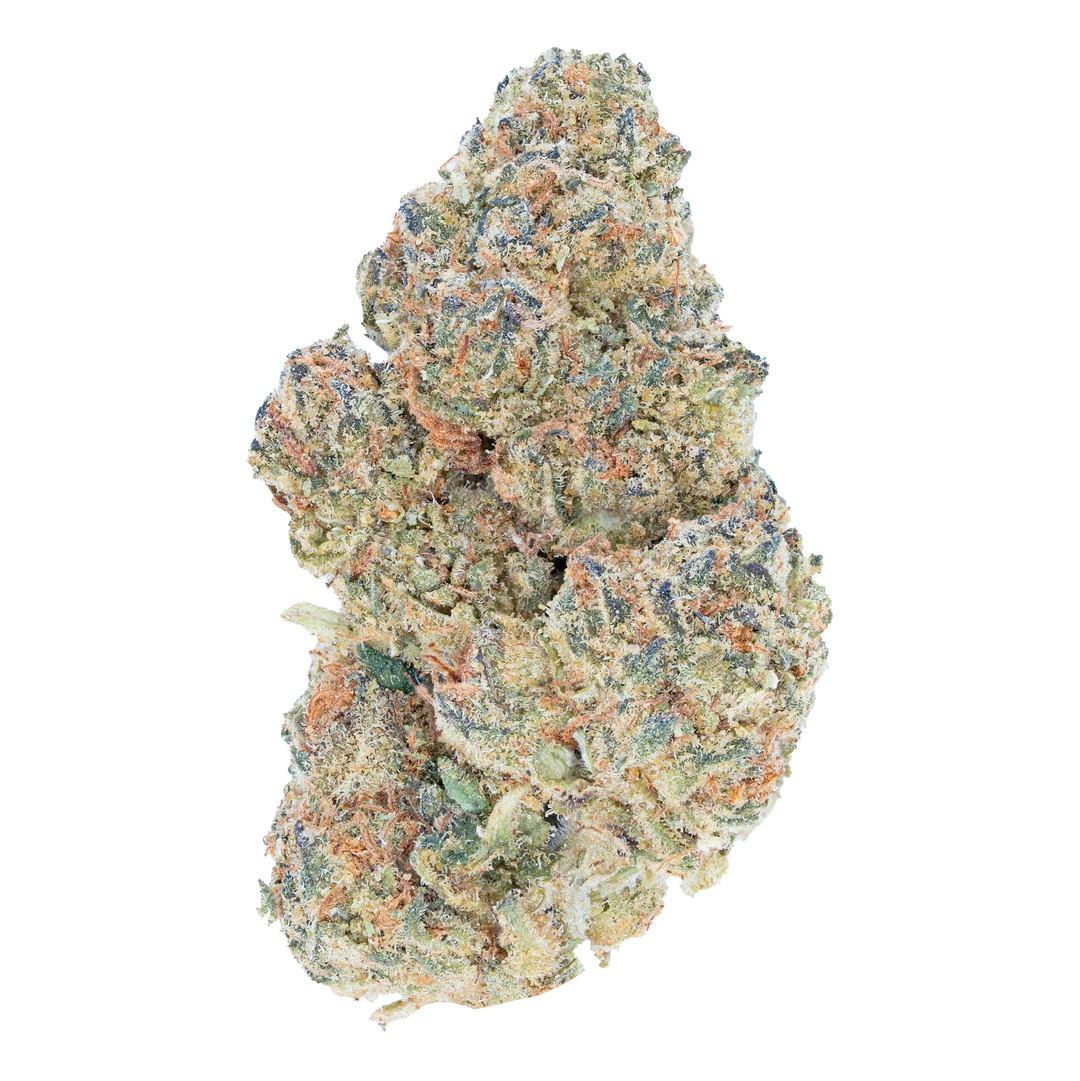
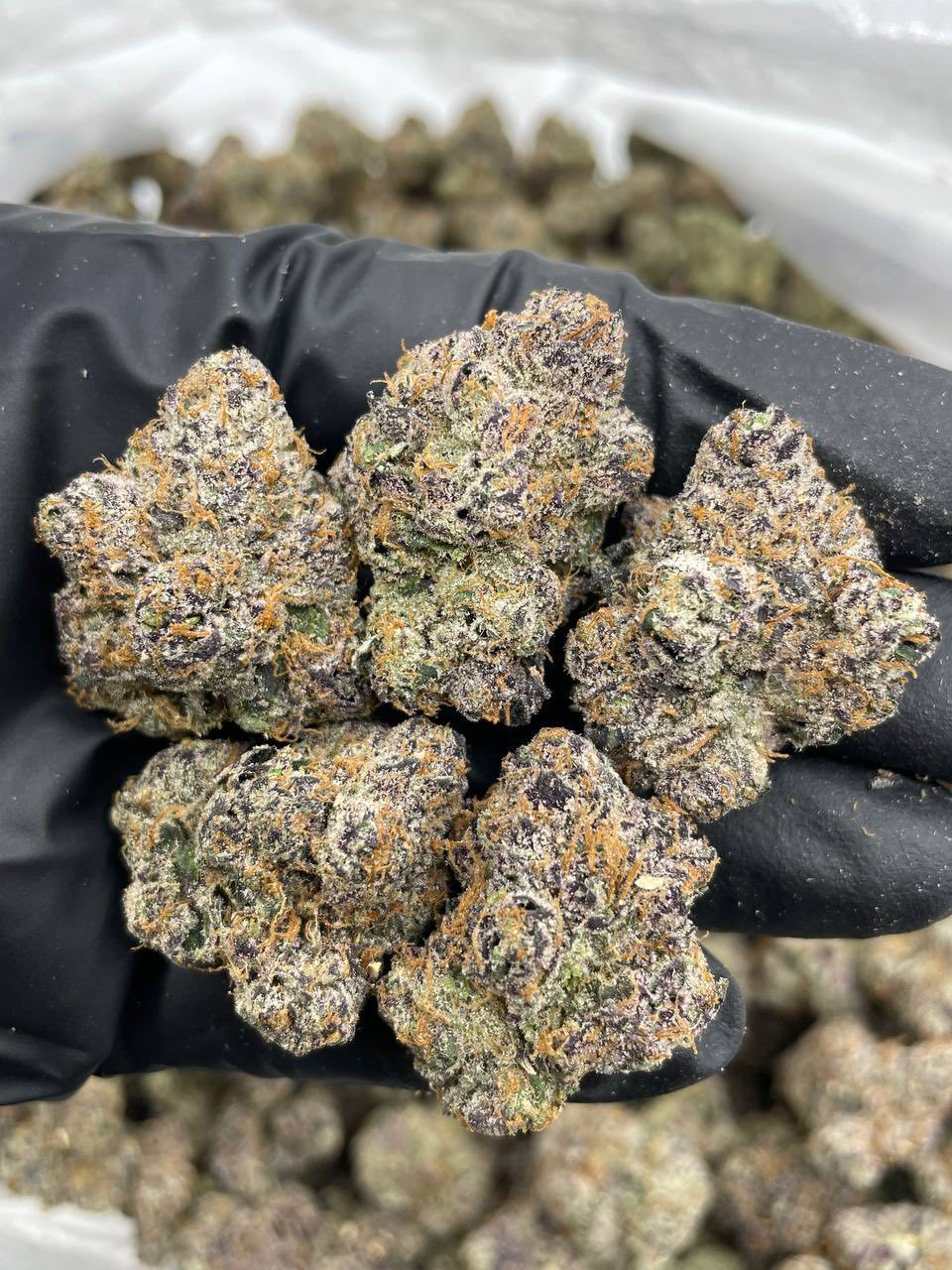
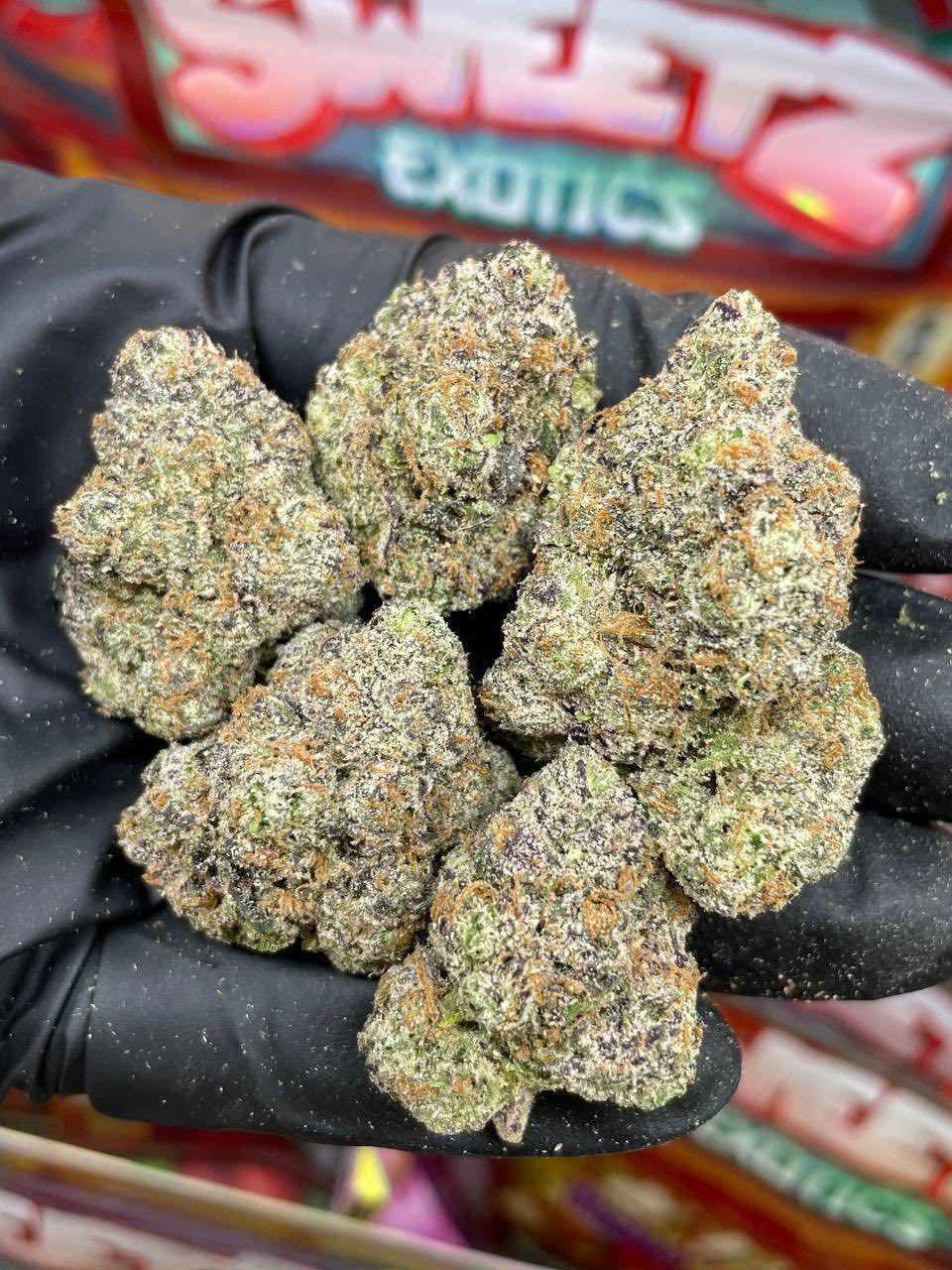
For most buyers, THCa flower is the simple answer: it converts to delta-9 with heat, it is lab-tested per batch, and it behaves like cannabis always has — no conversion chemistry, no novelty. Delta-8 suits anyone who finds delta-9 too intense. The comparison is in THCa vs delta-8 vs delta-9.
If you want to see what that looks like in practice, our THC flower collection lists the panel per batch, $70 smalls is the value entry point, and best gas THCa strains covers the loud end for anyone chasing potency.
Whichever you pick, read the panel. This is where mislabelling is most common — how to read a THCa lab report.
General information, not medical or legal advice. Adults 21+ only.
Keep reading & shop
Shop: Shop THCa flower
What the writer recommends
5 hand-picked products
Further reading
Resources & References
Quick answers
Frequently asked
Several, though six matter commercially: delta-9, THCa, delta-8, delta-10, THCV and THCP. HHC is closely related but technically hydrogenated rather than a THC. They are genuinely different molecules, not marketing names for the same compound.
THCP is reported as the most potent by a wide margin, followed by delta-9. Delta-8 and delta-10 are noticeably milder. THCa is not intoxicating until heat converts it, at which point it becomes delta-9 and behaves accordingly.
The position of one double bond — the eighth carbon versus the ninth. That small structural change makes delta-8 meaningfully milder, and users commonly describe it as clearer and less anxious at comparable doses.
Hemp-derived cannabinoids are federally legal under the 2018 Farm Bill when the product stays at or below 0.3% delta-9 THC by dry weight. States are stricter in many cases, and several have specifically restricted delta-8 and other converted cannabinoids.
For most people, THCa flower is the straightforward choice: it converts to delta-9 with heat, it is lab-tested per batch, and it behaves like traditional cannabis. Delta-8 suits anyone wanting something lighter. Read the certificate of analysis whichever you choose.
Because the federal limit measures delta-9 specifically. That created commercial room for cannabinoids the rule does not name, and the market filled it quickly. Some are naturally abundant, others are converted in a lab — which is precisely why per-batch testing matters here more than anywhere else.
Keep reading
More from the editorial
Articles in Education and across the WHAM Read.
 Education2 min
How Long Does a THC High Last? (2026 Timeline)
A smoked or vaped THC high usually peaks within 10 minutes and lasts about 1–3 hours; THC edibles run 4–8 hours. This guide breaks down how long a THC high lasts by method, what changes the duration, and how to come down faster if you need to.
 Education4 min
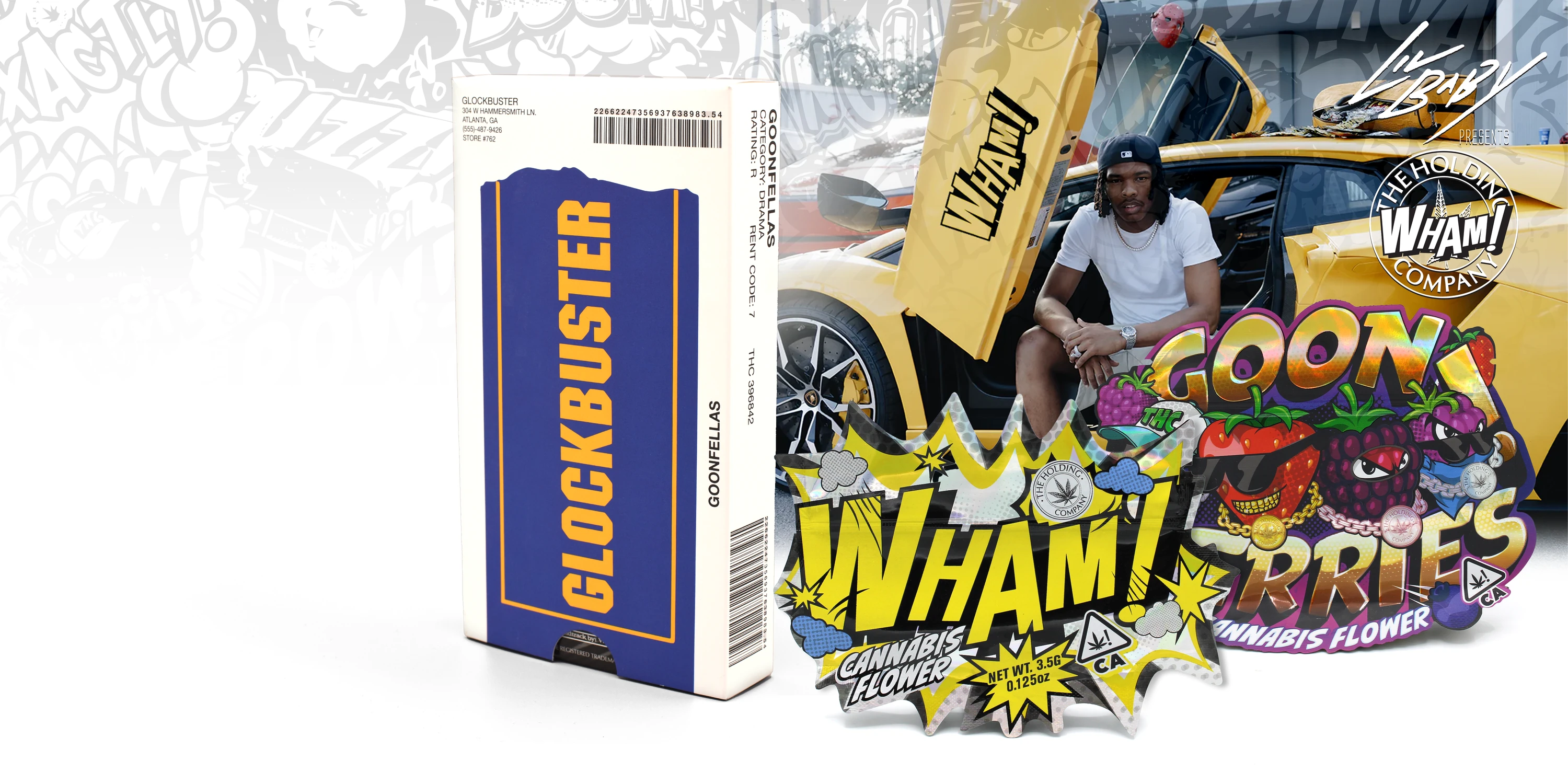
What Are WHAM Packs? Lil Baby Weed Packs, Sizes and Prices
A WHAM pack is a quarter pound to a full pound of Lil Baby's weed, mixed with some disposables and shipped in a double-sealed, nitrogen-sealed, smell-proof packet. Here are the sizes, how the pricing works, and how to order one.
Education4 minWhat Strain Is Lil Baby's Weed? The WHAM Strains Explained
Lil Baby's weed isn't a single strain — WHAM is his brand, with around 90 flower options on the menu. Most are hybrids, with indica picks like Alien ET and sativa picks like Sour Diesel. Here are the best sellers and how to pick one.

Get 5% off + the best reads in your inbox
Join 50,000+ subscribers. One short editorial email a week — unsubscribe any time.
No spam · unsubscribe in one click